
Art as Alternative Asset
High Returns, Low Correlation – why art is becoming a must-have asset in 2026
Photo: Pexels
In an era of market volatility, geopolitical tension, and fluctuating traditional assets, contemporary art has solidified its position as a compelling alternative investment class for high-net-worth individuals and family offices. While the global art market contracted to approximately $57.5 billion in 2024 according to the Art Basel and UBS Global Art Market Report, it demonstrated remarkable resilience with a 3% increase in transaction volume, signaling strong collector appetite at accessible price points. Between 2026 and 2030, the sector is expected to offer measured but attractive returns for those who approach it strategically — focusing on quality, provenance, and long-term cultural relevance.
Contemporary art has historically outperformed many traditional assets over extended periods. Data from various reports show annualized returns for well-selected contemporary works averaging around 8–14% over 20–25 year horizons, often with lower correlation to stock markets. In the current cycle, the market has bifurcated sharply: the ultra-high end (works above $10 million) has cooled significantly, while mid-tier and emerging segments — particularly works priced between $50,000 and $1 million — show robust demand and better liquidity. Blue-chip names such as Gerhard Richter, Yayoi Kusama, David Hockney, and Jean-Michel Basquiat continue to anchor portfolios, with Basquiat alone accounting for a significant portion of contemporary auction turnover. At the same time, prints and multiples by Banksy, Keith Haring, and Andy Warhol provide entry points with strong historical appreciation and easier resale channels.
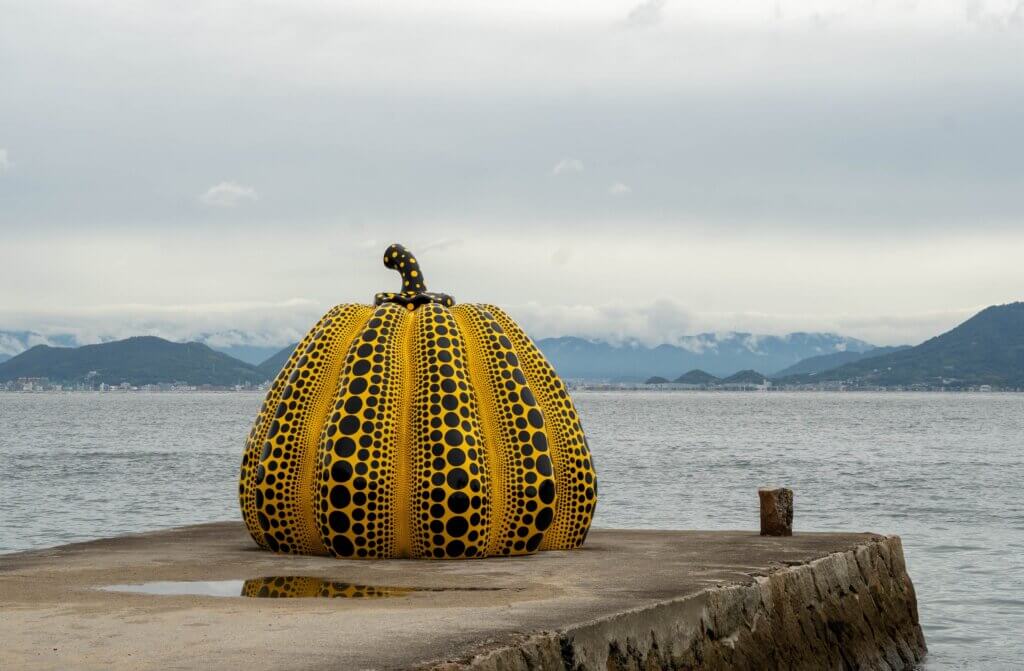
Photo: Pexels
Successful investment in this period requires a disciplined approach. Experts recommend allocating no more than 5–15% of a diversified portfolio to art. Key principles include buying from reputable galleries with strong exhibition history, prioritizing works with museum potential, and focusing on artists with clear artistic trajectories and growing institutional recognition. Storage, insurance (typically 0.5–1.5% of value annually), and authenticity verification add to carrying costs, making long-term holding (7–15 years) more tax-efficient in many jurisdictions. Art funds, which are projected to grow at a 6% CAGR through 2033, offer a more liquid and professionally managed entry for those without deep expertise.
Auction houses will play a central role. Sotheby’s, Christie’s, and Phillips are expected to maintain aggressive contemporary evening sales in New York in November and London from June to October, with growing emphasis on themed single-owner collections that drive premium prices. Watch for strong secondary market activity around artists like Julie Mehretu, Mark Bradford, and emerging stars gaining institutional traction. In Asia, Hong Kong auctions remain vital for liquidity in works by Kusama, Takashi Murakami, and Zao Wou-Ki.
Photo: Pexels
For those entering now, the most promising strategy combines blue-chip stability with selective exposure to rising talent. Established names such as Richter, Hockney, and Kusama provide ballast, while carefully chosen mid-career artists with strong gallery representation and exhibition momentum offer upside potential. The period through 2030 favors quality over quantity, with collectors who build thoughtful, research-backed collections likely to see both cultural and financial rewards as the market stabilizes and new wealth centers — particularly in Asia and the Middle East — drive renewed demand.
Art in 2026–2030 is less about chasing hype and more about disciplined connoisseurship. Those who treat it as both passion and portfolio diversifier, while staying close to major fairs, auctions, and trusted advisors, will be best positioned to benefit from what remains one of the most enduring stores of value and sources of personal pleasure in the world of alternative assets.