
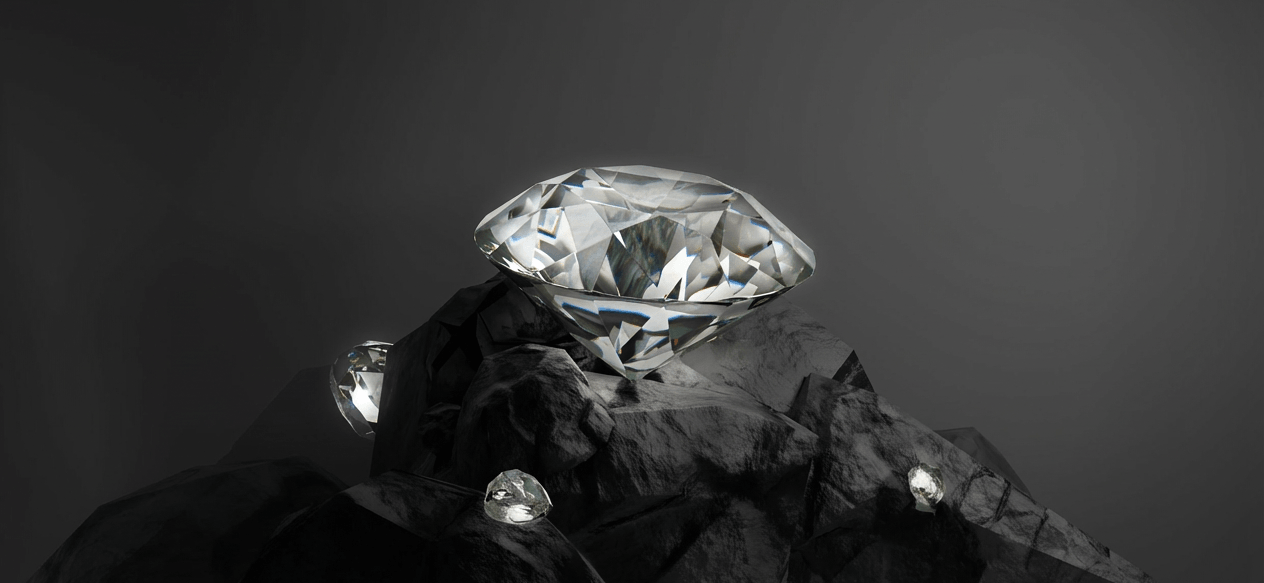

Emotional Value and Aesthetic Capital: What We Invest in with the Heart
Collecting Is Not a Rational Act
Collecting isn’t purely rational — it’s emotional. When someone chooses a ruby or a painting, they’re responding to a personal impulse shaped by values, memories, and aesthetic preferences.
Rubies attract those drawn to permanence and power. Formed over millions of years, they symbolize wealth, strength, and legacy. Their rarity and brilliance create a sense of owning something both ancient and meaningful — a natural wonder you can hold.
Paintings, on the other hand, engage the heart and the mind. They often evoke emotions or reflect personal taste, identity, or a worldview. Art is not just owned — it’s experienced. A painting can challenge, comfort, or inspire, and collectors often choose pieces that resonate with their own story or beliefs.
Ultimately, collecting rubies or paintings reflects what one values most: the timeless security of nature’s beauty, or the emotional depth and cultural richness of art.
cite caption
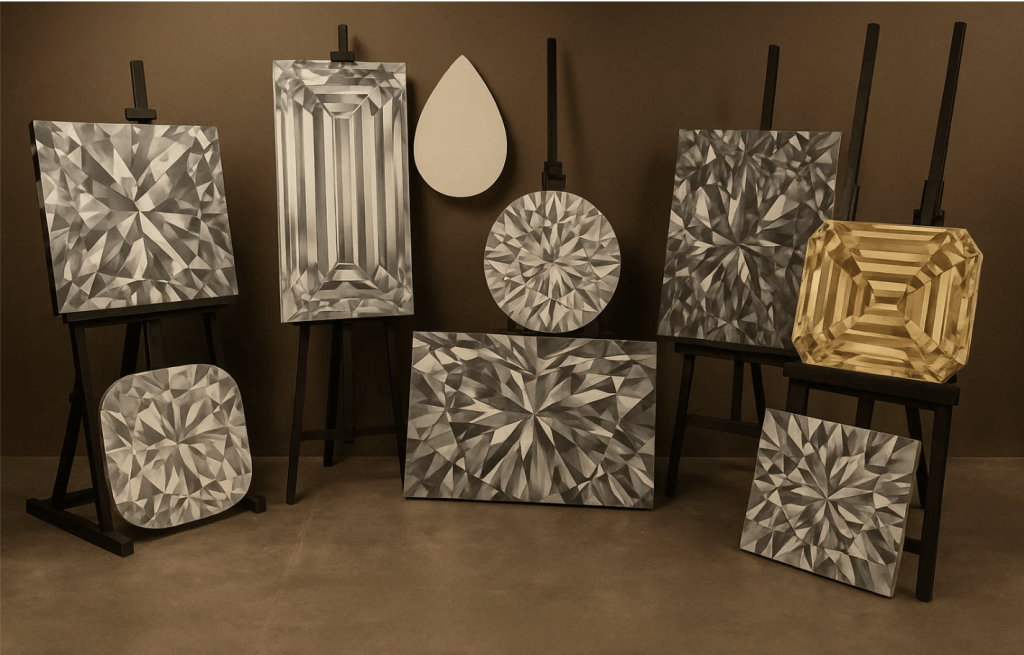
The Gem as a Symbol, the Painting as a Cultural Code
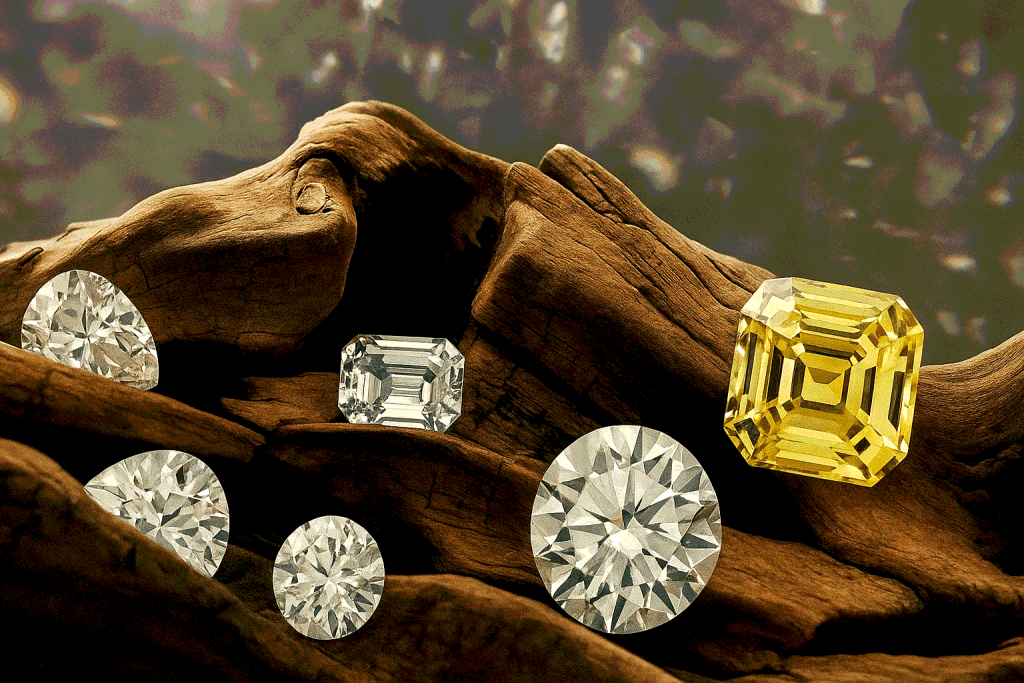
A ruby is more than a beautiful stone — it’s a symbol. For centuries, gems have signified love, power, and endurance. Their meaning cuts across cultures and eras. A ruby doesn’t just sparkle; it communicates passion and prosperity, embodying deeply human desires.
A painting, by contrast, is a cultural code. It holds the ideas, emotions, and aesthetics of a specific time and place. To collect art is to engage in a broader dialogue — with the artist, with history, with society. A painting might reveal a philosophical position, a taste for beauty, or a connection to a cultural movement.
So while a gem is a symbol — enduring and universally understood — a painting is a message: layered, contextual, and always evolving. One speaks of timeless meaning; the other invites interpretation and thought.
Objects to Wear, Hold, Show — and Feel
Despite their differences, rubies and paintings share one key trait: they invite emotional and sensory interaction.
A gem can be worn close to the skin, carried through daily life, its presence felt with every movement. It’s an object you touch, see sparkle in the light, and even pass to others — a conversation starter with emotional weight.
Paintings are less portable but just as personal. Placed in a room, they shape its mood and invite attention. The viewer is drawn in, exploring brushstrokes and color, connecting to the emotion beneath the surface.
Most importantly, both gems and paintings make us feel. A ruby might evoke pride or nostalgia; a painting can spark awe, peace, or reflection. Whether worn or hung, these objects become part of our inner and outer lives — grounding us in beauty, history, and meaning.

A Painting Is Not Just Owned, It Is Experienced
One of the key differences between art and gemstones lies in the way they inhabit daily life. A painting does not sit passively in a portfolio of assets. It changes the room it enters. It shapes mood, light, rhythm, and attention. Over time, the relationship between owner and artwork can deepen. What first appeared visually striking may later become emotionally necessary.
This makes art collecting a distinct kind of commitment. The collector does not simply store the object. They live with it. They return to it in different states of mind, at different points in life, and discover new meaning in it over time. In that sense, a painting is not static. Its significance evolves through continued exposure and personal context. That is part of its value, and part of its power.
Table (heading H3)
| Table heading | Table heading | Table heading |
|---|---|---|
| Table text | Table text | Table text |
| Table text | Table text | Table text |
| Table text | Table text | Table text |
| Table text | Table text | Table text |
| This makes art collecting a distinct kind of commitment. The collector does not simply store the object. | Table text | Table text |
List UL Heading H4
- One of the key differences between art and gemstones lies in the way they inhabit daily life
- One of the key differences between art and gemstones lies in the way they inhabit daily life
- One of the key differences between art and gemstones lies in the way they inhabit daily life
- One of the key differences between art and gemstones lies in the way they inhabit daily life
List OL heading H5
- One of the key differences between art and gemstones lies in the way they inhabit daily life
- One of the key differences between art and gemstones lies in the way they inhabit daily life
- One of the key differences between art and gemstones lies in the way they inhabit daily life
- One of the key differences between art and gemstones lies in the way they inhabit daily life
List UL in lists heading H6
- One of the key differences between art and gemstones lies in the way they inhabit daily life
- One of the key differences between art and gemstones lies in the way they inhabit daily life
- One of the key differences between art and gemstones lies in the way they inhabit daily life
- One of the key differences between art and gemstones lies in the way they inhabit daily life
- One of the key differences between art and gemstones lies in the way they inhabit daily life
- One of the key differences between art and gemstones lies in the way they inhabit daily life
- One of the key differences between art and gemstones lies in the way they inhabit daily life
- One of the key differences between art and gemstones lies in the way they inhabit daily life
- One of the key differences between art and gemstones lies in the way they inhabit daily life
- One of the key differences between art and gemstones lies in the way they inhabit daily life
- One of the key differences between art and gemstones lies in the way they inhabit daily life
- One of the key differences between art and gemstones lies in the way they inhabit daily life
List UL in lists heading H6
- One of the key differences between art and gemstones lies in the way they inhabit daily life
- One of the key differences between art and gemstones lies in the way they inhabit daily life
- One of the key differences between art and gemstones lies in the way they inhabit daily life
- One of the key differences between art and gemstones lies in the way they inhabit daily life
- One of the key differences between art and gemstones lies in the way they inhabit daily life
- One of the key differences between art and gemstones lies in the way they inhabit daily life
- One of the key differences between art and gemstones lies in the way they inhabit daily life
- One of the key differences between art and gemstones lies in the way they inhabit daily life
- One of the key differences between art and gemstones lies in the way they inhabit daily life
- One of the key differences between art and gemstones lies in the way they inhabit daily life
- One of the key differences between art and gemstones lies in the way they inhabit daily life
- One of the key differences between art and gemstones lies in the way they inhabit daily life