
Where The Wealthiest Are Quietly Buying Their Next Home
Where Singapore’s ultra-wealthy are buying property right now — and why the calculus has completely changed
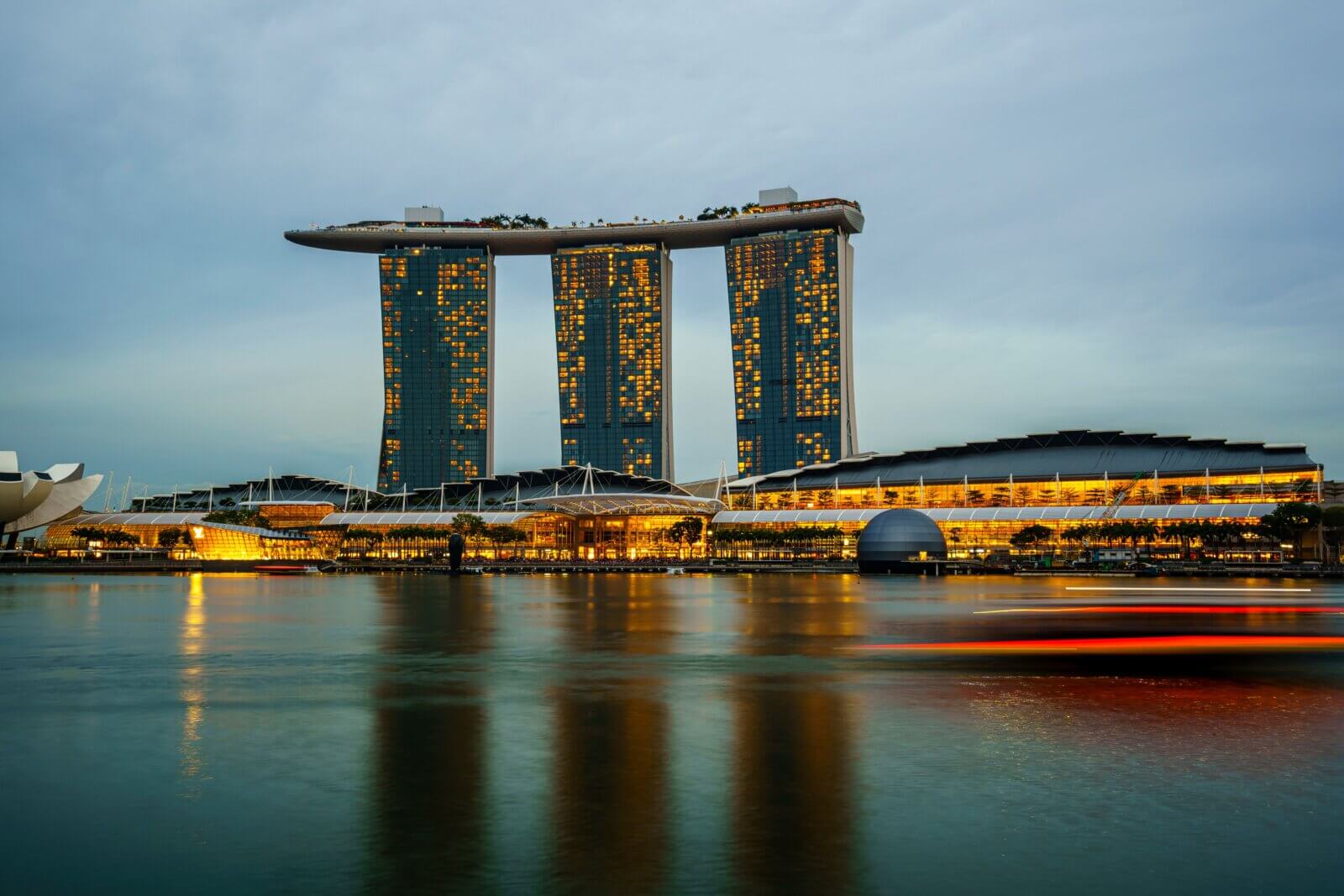
There is a number that quietly defines the current mood among Singapore’s wealthiest property buyers: 60. That is the percentage — in Additional Buyer’s Stamp Duty — that any foreigner now pays to purchase residential real estate here. As of 2023, the ABSD for foreigners was raised to 60%, making Singapore the most expensive market in the world for foreign real estate entry. On a SGD 5 million apartment, that is a SGD 3 million tax bill before you’ve unpacked a single box.
The result has been predictable and swift. Singapore’s ultra-high-net-worth community — a population projected to grow 46% over the next five years — did not stop buying property. They simply started buying it somewhere else.
This is the story of where that capital is going, and why.
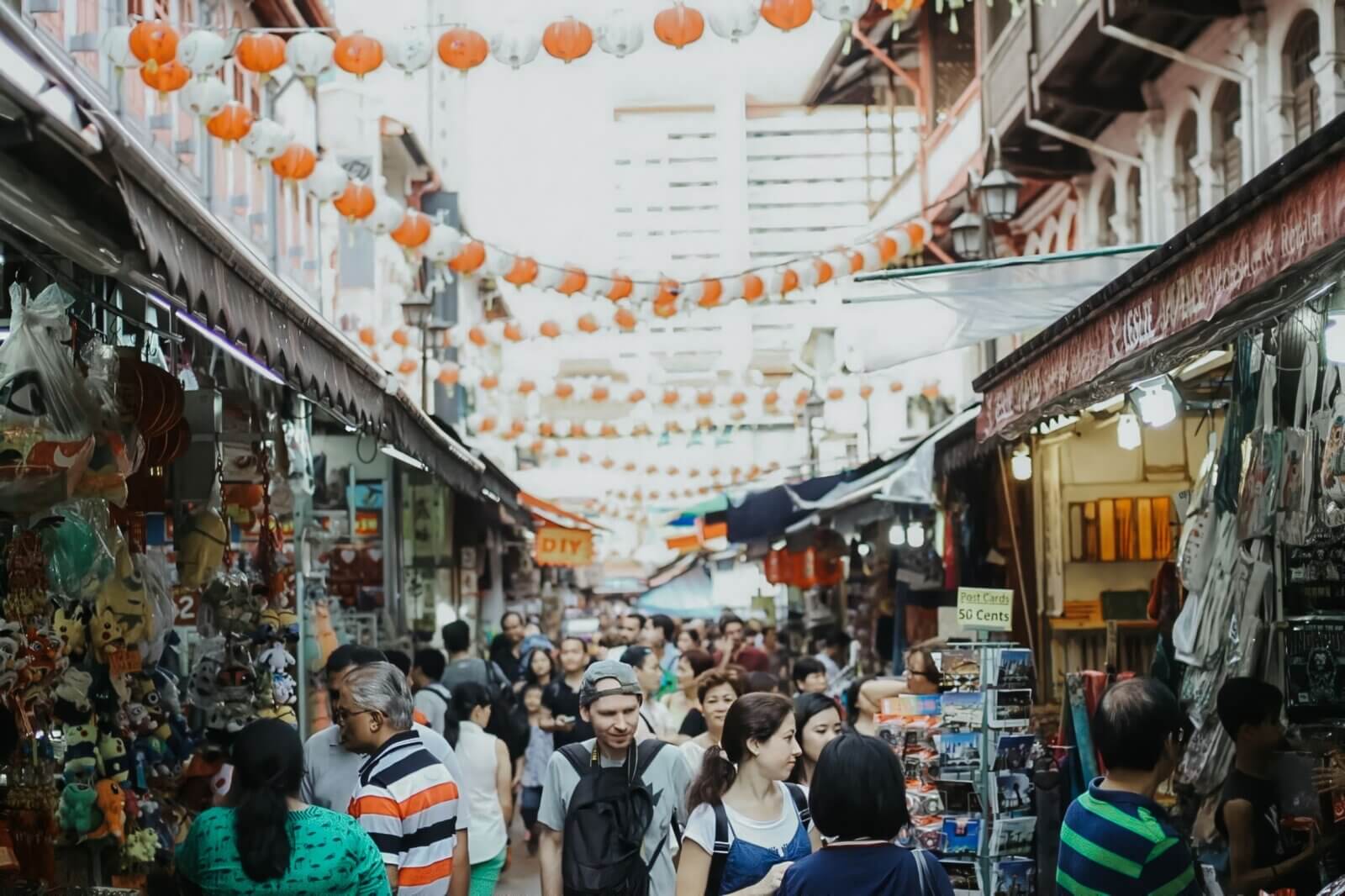
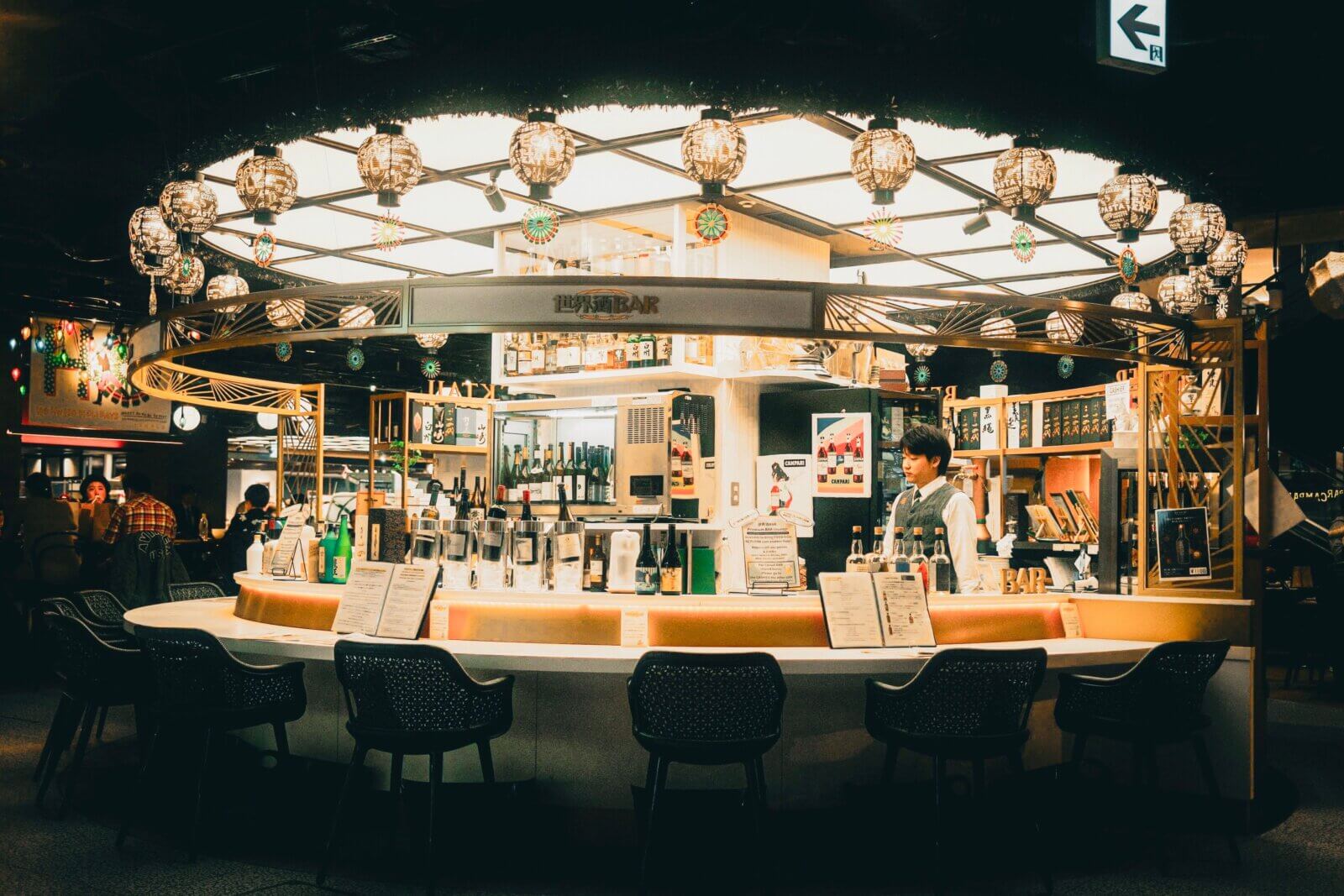
Tokyo: the most compelling buy in a generation
Investors from Singapore contributed nearly $3 billion to Tokyo real estate in recent years, driven by the favorable exchange rate of the weak yen. For Singapore buyers who have spent decades watching their home market cool under layer after layer of government policy, Japan represents something almost novel: a major global city where property is, by comparison, extraordinarily cheap.
Tokyo topped the global luxury rankings — its homes became 58.5% more expensive over the past year, as the city’s new-build apartment market was boosted by scarcity, low interest rates and strong inward demand from Asia-Pacific buyers.
Prices for prime properties in Tokyo’s three central wards — Chiyoda, Chuo, and Minato — rose more than 50% over the five years through mid-2024. Yet even after that run, a penthouse in Azabu still costs a fraction of what a comparable address would in London or Singapore. Wealthy buyers from Greater China — including Singapore — have become the main players in the Tokyo penthouse market, often purchasing with budgets of 300 to 500 million yen, paid entirely in cash.
The draw is not purely financial. Japan’s political stability, its culture of craftsmanship, and the lifestyle that comes with a Tokyo address — Michelin-starred dining, world-class art, discretion — align precisely with what Singapore’s most sophisticated buyers are looking for. Many aim for long-term ownership and legacy planning, making Tokyo real estate increasingly an instrument of generational wealth rather than short-term yield.
One more factor accelerates the logic: the Singaporean sovereign wealth fund GIC acquired a logistics facility in Yokohama for approximately 56 billion yen — a signal, for those who read these things closely, that institutional-level conviction in Japan is real and durable.
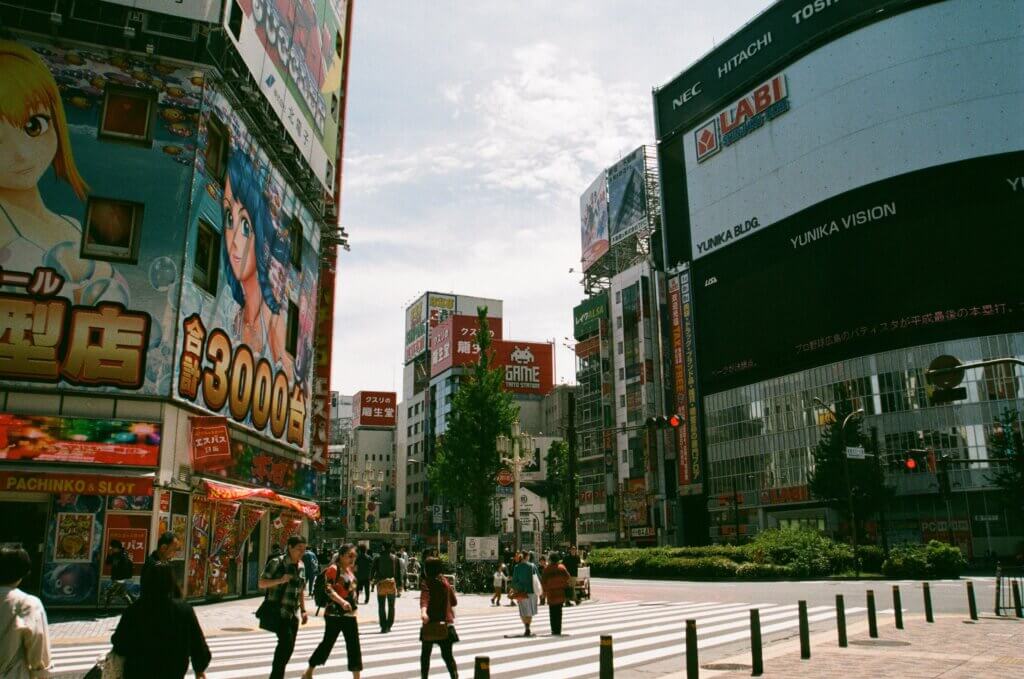
Photo: Pexels
Dubai: trophy assets in a zero-tax environment
For Singapore’s C-suite and founder class, Dubai has shifted from novelty to mainstream in less than four years. Knight Frank surveyed 387 high-net-worth individuals across the UK, India, Saudi Arabia and East Asia — including Singapore — each with an average net worth of US$22 million, and found a staggering US$10.3 billion of private capital targeting Dubai’s property market.
The appeal is structural. Dubai charges no income tax, no capital gains tax, and no inheritance tax. Dubai’s residential market registered record sales of nearly 170,000 homes in 2024, worth a total of US$100 billion. That level of velocity is not speculation — it reflects a genuine shift in where global wealth wants to be anchored.
At the ultra-luxury end, there were 12 transactions above US$25 million in Q1 2025 alone, reflecting continued appetite from global UHNWIs seeking trophy homes. In the AED 50 million-plus bracket, the number of homes available to purchase fell by 48% compared to 2023 — supply is tightening faster than demand.
For Singapore buyers specifically, Dubai offers something the domestic market no longer can: the ability to hold a second home in a world-class city without a punitive entry cost, while maintaining Singapore as a primary base for business and family. The flight time is under seven hours. The time zone overlap with Asia is workable. And the lifestyle — the marina, the hotels, the private beaches — is one that resonates with buyers who have already seen most of the world.
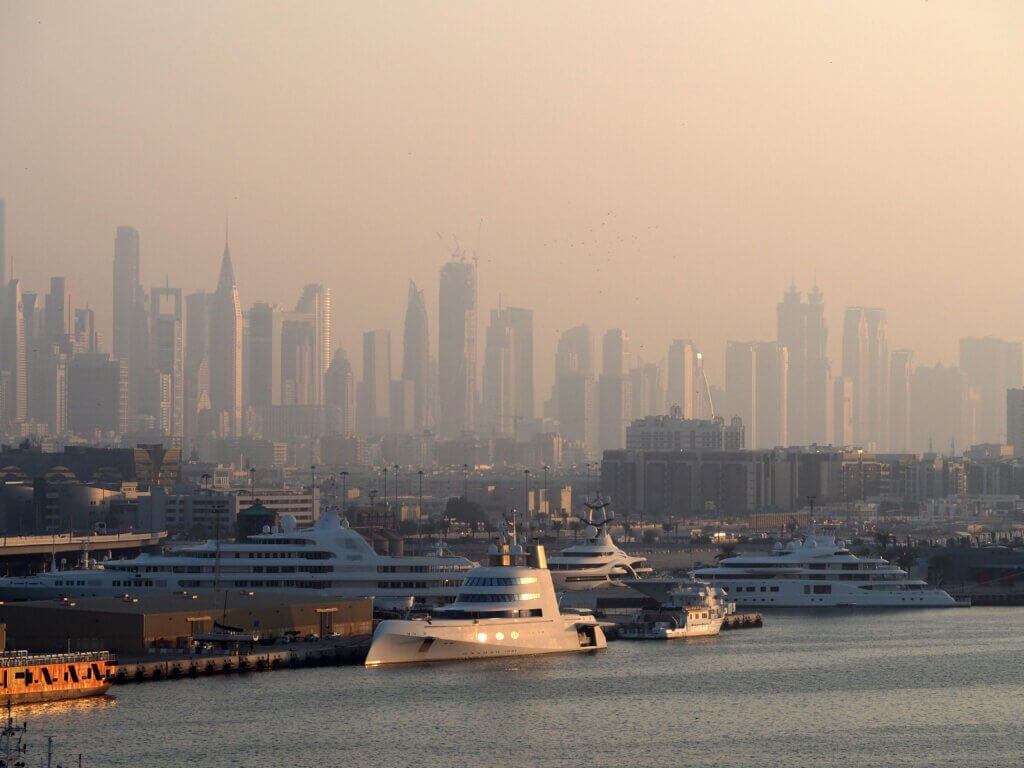
Photo: Pexels
London: value has returned, quietly
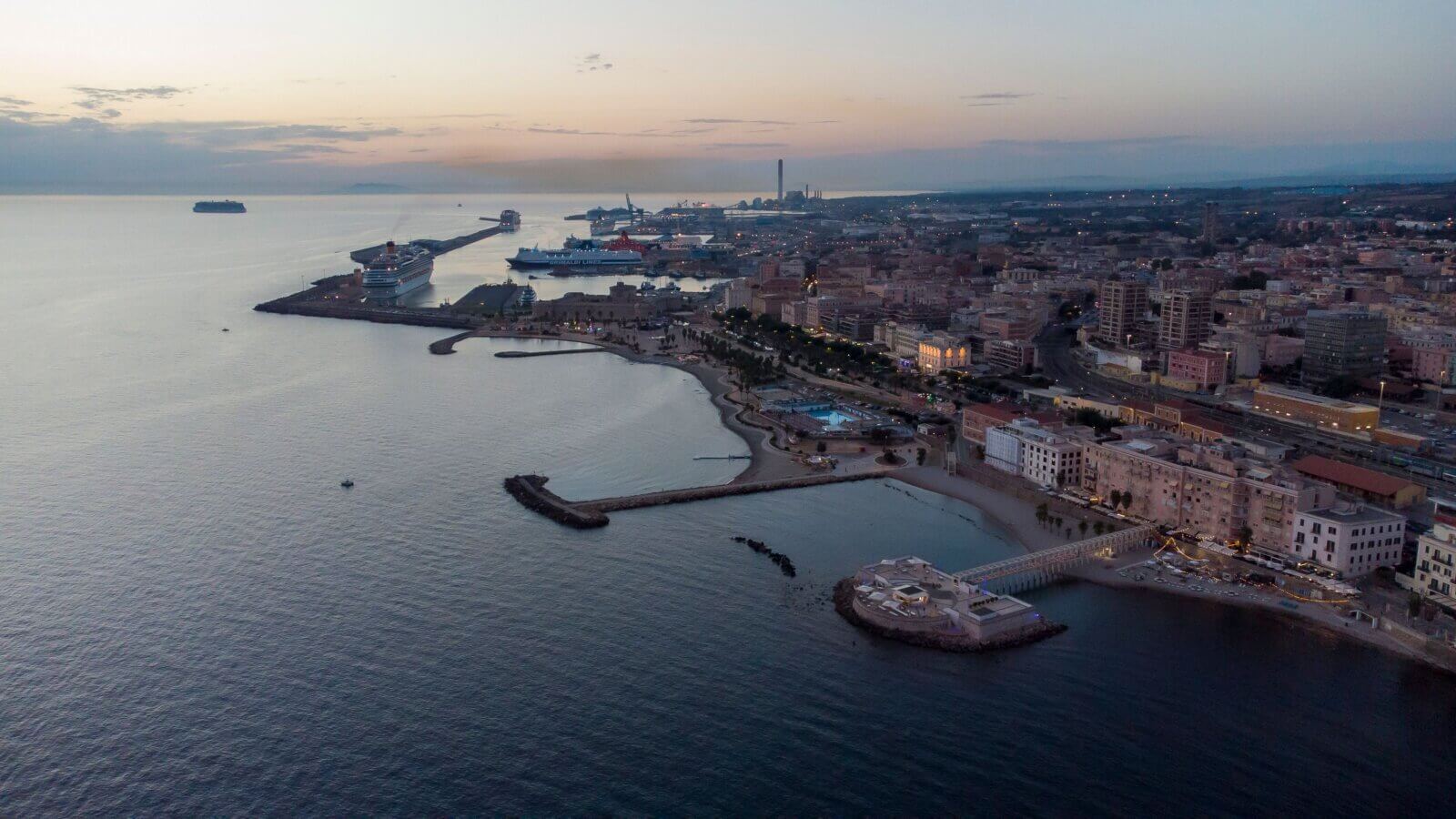
London was never off the list for Singapore’s wealthiest. It returned their children from university, hosted their long-haul stopovers, and held their oldest property positions. What has changed is that London now looks cheap again relative to rivals. London is now widely viewed by global wealth as offering compelling value compared with rival centres such as Dubai and Abu Dhabi, where prices have risen sharply in recent years.
There has been a noted increase of purchasers from Singapore seeking to invest in the UK, hoping to take advantage of higher rental returns and lower prices compared to Singapore. The structural logic is hard to argue with: sterling-denominated assets, freehold ownership, elite school catchment areas, and a resale market that has absorbed every crisis thrown at it for 200 years.
London’s prime residential market continues to command global attention as one of the world’s most stable luxury property markets, supported by the city’s global financial hub status, elite educational institutions, and rich cultural heritage.
Mark Harvey, Head of Knight Frank’s International Department, frames what buyers actually want with rare clarity: “They look for a secure location, one that offers personal safety and economic and political stability, and one that will provide a well-rounded lifestyle — with easy access to culture and extensive local facilities. The local infrastructure, including international transport links, is important, as remote and hybrid working means that for many people, the separation between a second home and a primary residence is increasingly blurred.”
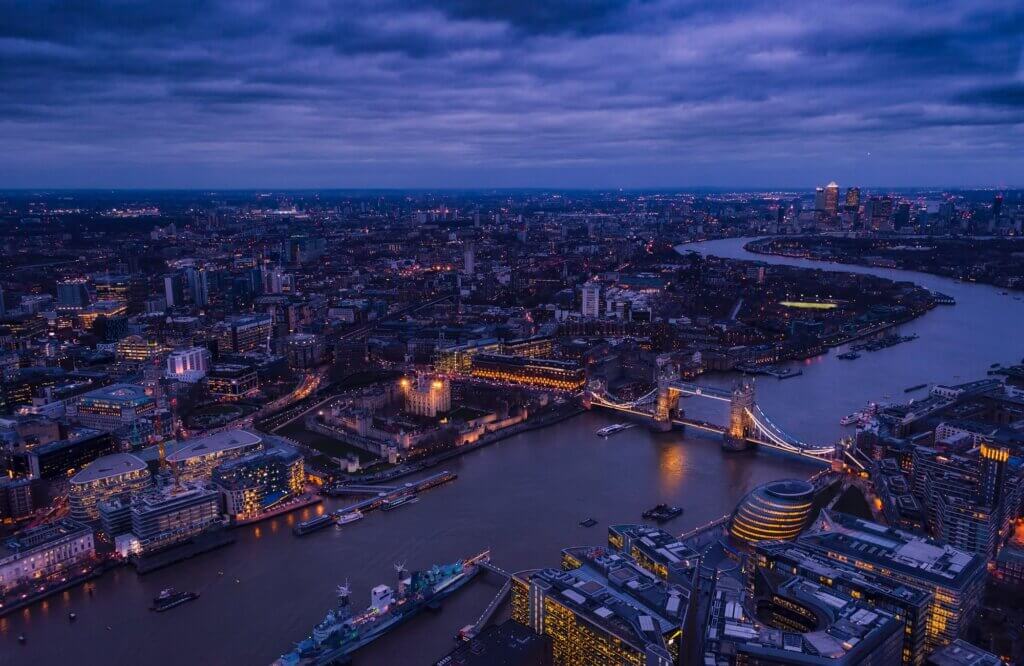
Photo: Pexels
The strategy underneath the strategy
What unites Tokyo, Dubai and London in the portfolios of Singapore’s wealthiest is not a search for yield — yield is almost beside the point at this level. It is the pursuit of optionality: the ability to be somewhere else, legally, comfortably, and permanently if necessary. In Asia-Pacific, cross-border HNWI investment rose to its highest level since 2019 in 2025. That is not coincidence. It reflects a generation of wealth that has watched geopolitical conditions shift — in Hong Kong, in mainland China, across Southeast Asia — and concluded that geographic diversification is not paranoia. It is prudence.
Private capital has now dominated global commercial real estate investment for five consecutive years, with HNWIs and family offices deploying US$464 billion in 2025 compared to US$347 billion from institutional investors. The individual is outpacing the institution. And the most sophisticated individuals in Singapore are doing what they have always done — moving first, quietly, and well.
The $100 million second home strategy is not about buying a house. It is about buying a position in the world.