
Beyond the Showcase: What SIJE’s Rebrand Reveals About Singapore’s Luxury Positioning
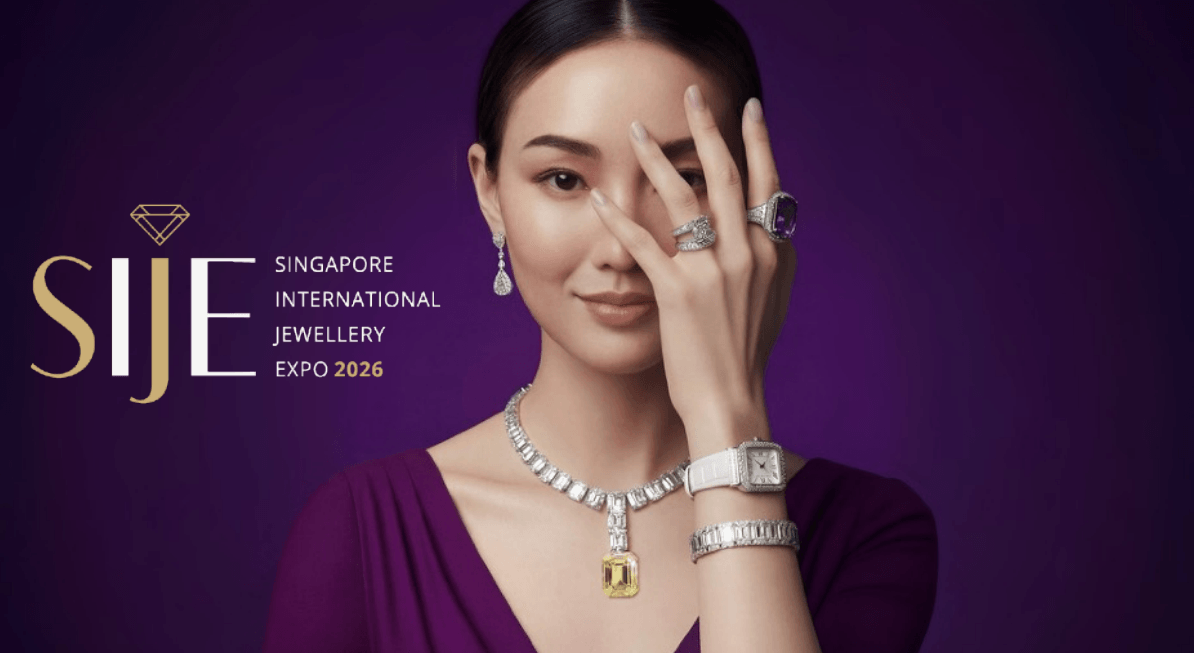
Singapore International Jewellery Expo closed its 2026 edition at Marina Bay Sands earlier this month under a new visual identity — deep purple, diamond-cut typography, a manifesto built around discovery over display. For an event that has quietly anchored Asia’s fine jewellery trade for two decades, the rebrand is less about aesthetics than about who the show believes its next generation of buyers will be.
A show that outgrew its original audience
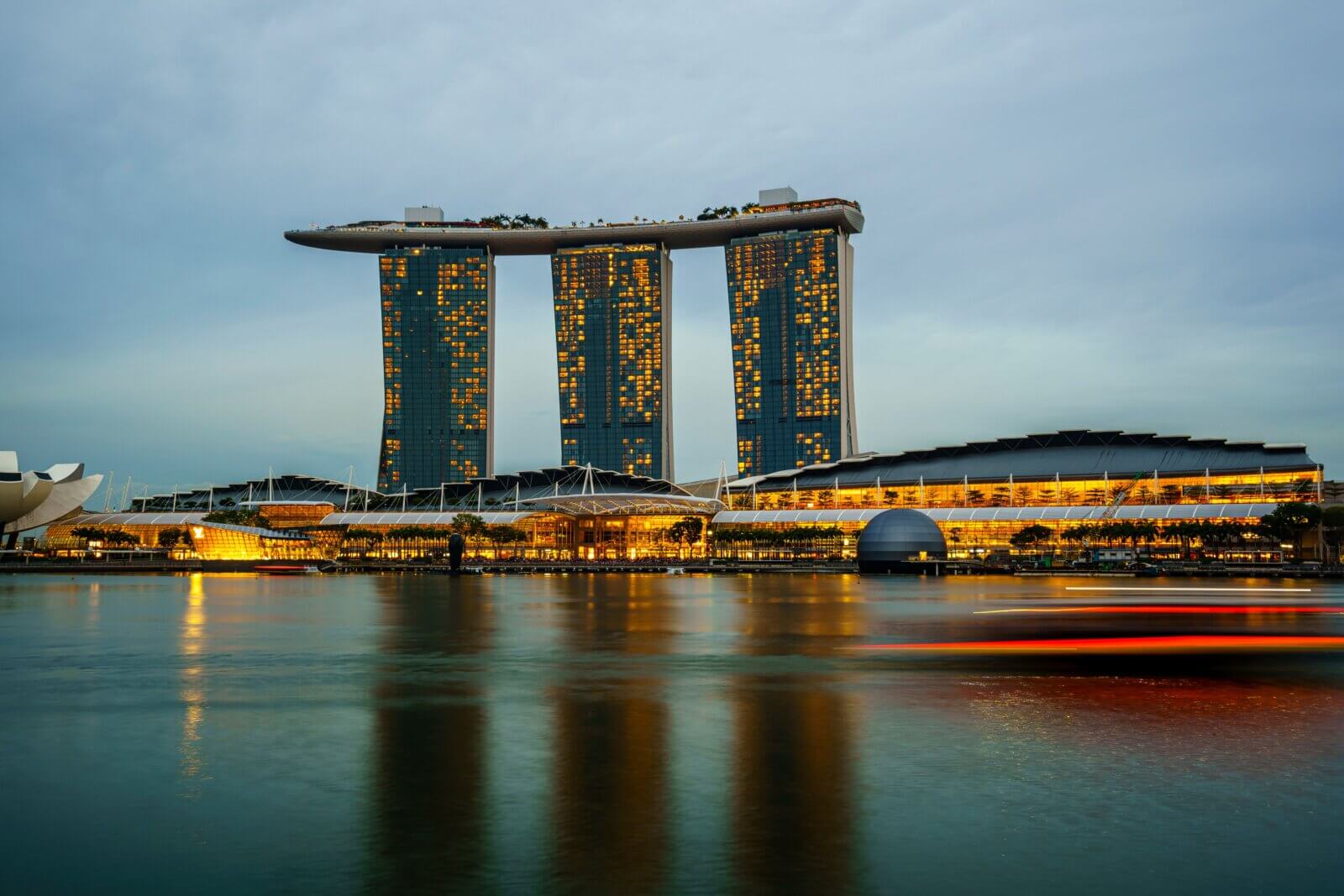
The Singapore International Jewellery Expo has run for two decades as one of the region’s steadiest fixtures — a reliable, if unglamorous, meeting point for jewellers, watchmakers and trade buyers. Its 2026 edition, held from 9 to 12 July at the Sands Expo and Convention Centre, marked a deliberate departure from that reputation. IEG Asia, the show’s owner and operator, introduced a full brand overhaul ahead of the event: a new logo built around diamond iconography, a signature deep-purple palette chosen specifically for its associations with luxury and royalty, and — more tellingly — a new manifesto organised around discovery, accessibility, connection and confidence.
For an audience accustomed to reading brand refreshes as cosmetic, it’s worth pausing on why a trade show would bother repositioning itself this way at all. The answer says less about jewellery and more about how Singapore’s luxury economy is evolving.
From retail transaction to curated discovery
Dr Ilaria Cicero, CEO of IEG Asia, framed the rebrand around a specific idea: that visitors arrive not simply to buy, but to explore, compare and choose with confidence, in a single accessible destination. The stated ambition — positioning SIJE as the place where global craftsmanship meets a modern, curious audience looking for something beyond standard retail names — mirrors language increasingly common across the collectibles world, from contemporary art fairs to specialist watch showcases.
This shift matters commercially. A show built around comparison and confidence, rather than volume retail, implies a different buyer profile: one closer to a collector than a shopper, willing to spend time understanding provenance, craftsmanship and rarity before committing capital. That is a meaningfully different value proposition than a conventional jewellery trade fair, and it puts SIJE in more direct conversation with the kind of informed, research-driven purchasing behaviour this publication has long argued distinguishes genuine collecting from simple consumption.
The practical changes behind the manifesto
Beyond the visual identity, the 2026 edition introduced structural changes aimed at reinforcing that positioning. The show reorganised its exhibition layout to improve navigation and introduced dedicated discovery zones alongside its hospitality areas. It expanded digital tools intended to better match buyers with relevant exhibitors — a nod to the increasingly research-led way high-value purchases are approached before a buyer ever sets foot on a show floor. And it broadened its programming to encourage deeper engagement with craftsmanship, design and innovation, rather than treating the exhibition purely as a marketplace of finished goods.
The show also leaned into Singapore’s broader hospitality ecosystem, bundling hotel, attraction and dining offers with entry credentials — a recognition that for a meaningful share of its audience, particularly international visitors, the exhibition functions as one stop within a larger Singapore itinerary rather than the sole purpose of the trip.
Why this belongs in a Singapore investment conversation
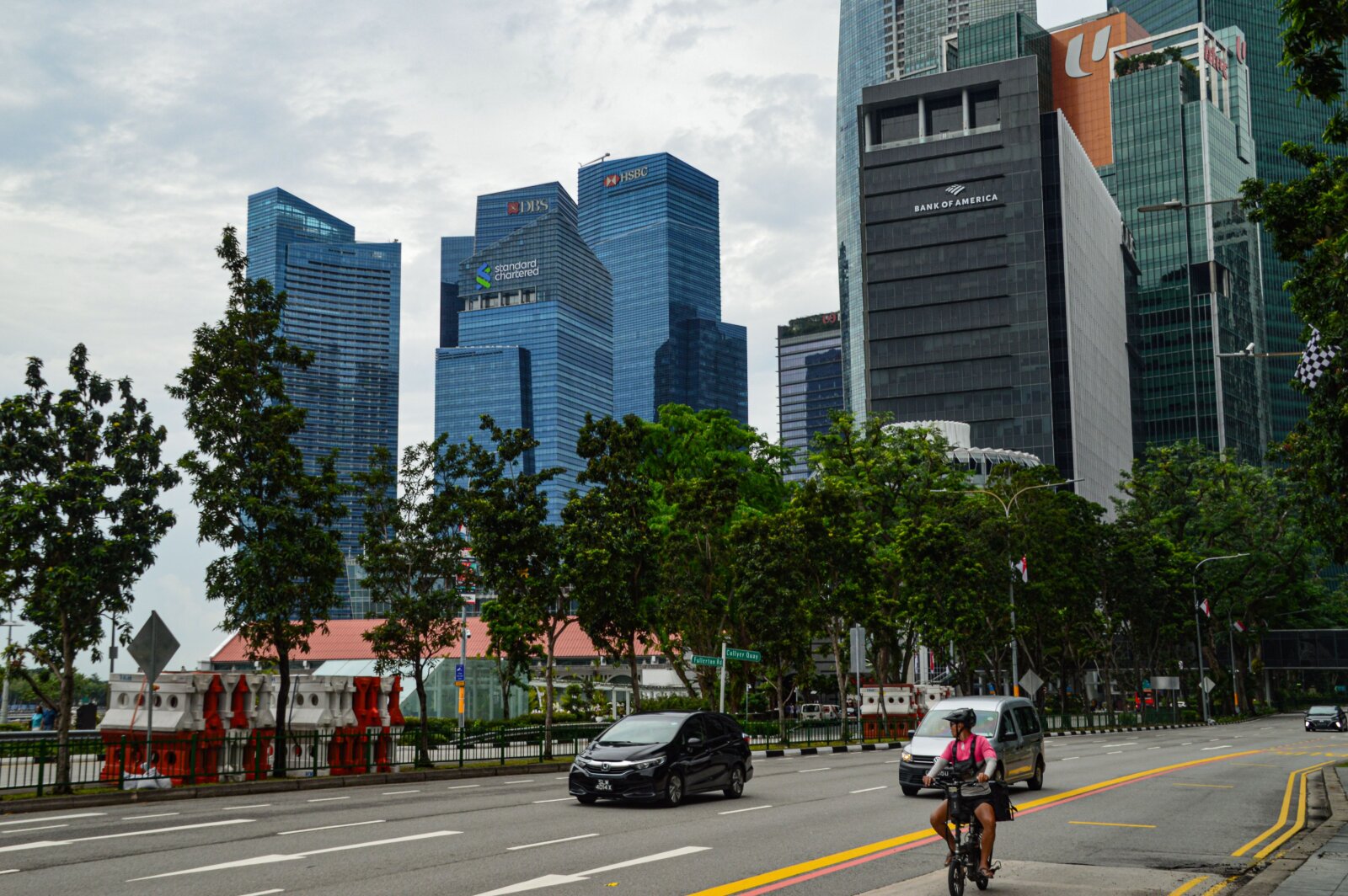
SIJE’s positioning statement leans explicitly on what it calls Singapore’s reputation for stability and strength — language that will be familiar to anyone following this city-state’s broader pitch to global capital. That framing is not incidental. Singapore’s credibility as a secure, transparent jurisdiction for high-value trade is the same quality that underpins its freeport infrastructure, its private banking sector and its growing role in tokenised real-world assets. A jewellery expo built around trust and discovery is, in effect, borrowing the same institutional credibility that draws family offices and fund structures to the city.
For collectors and investors with existing exposure to gemstones, fine jewellery or watches, an event like SIJE offers something genuinely useful beyond acquisition: concentrated access to expertise, comparison and provenance verification in a single, secure setting — the same due-diligence advantages this publication has highlighted in the context of rare books, wine and tokenised gemstones. A show that organises itself around discovery rather than volume sales is, whether intentionally or not, aligning itself with how sophisticated buyers actually evaluate tangible assets.
The broader signal
SIJE’s rebrand is a small data point, but it fits a pattern worth watching. Across categories — jewellery, watches, wine, art — Asia’s trading infrastructure is visibly repositioning itself around the informed collector rather than the casual buyer, and Singapore continues to be the city where that repositioning happens first and most convincingly. A diamond-cut logo and a purple palette will not, on their own, change how capital moves through the region’s luxury economy. But the manifesto behind them — discovery, confidence, expertise — is a fairly accurate description of what serious collecting in Singapore increasingly looks like, one trade show at a time.