
The watch that refuses to lose value: grey-market pricing of Patek and AP, explained
A buyer who secures a Patek Philippe Nautilus at retail can often turn around and sell it for nearly double the same week. That gap isn’t a market glitch — it’s the market working exactly as designed, and reading it correctly separates collectors who understand pricing from those who simply pay whatever the counter asks.
Two prices, one watch
Every serious watch now trades at two prices, and they rarely match. There’s the retail price — printed, stable, adjusted once or twice a year by the manufacturer. And there’s the grey-market price, set purely by what a buyer is actually willing to pay a dealer outside the authorised network. A Patek Philippe Nautilus 5811/1G lists around $89,767. On the grey market, it has changed hands for $150,000 or more — a gap of roughly two-thirds the retail price. Most first-time buyers see that spread and assume something speculative or unsustainable is going on. It isn’t. It’s one of the more orderly pricing mechanisms in luxury goods, and almost nobody reads it correctly.
The waiting list is data, not an inconvenience
The standard complaint about Patek and Audemars Piguet is that a client can wait years for a specific reference, regardless of how much they’re prepared to pay. Frustrating, yes. But the wait itself is information. It tells you the manufacturer has deliberately kept supply below demand — a choice, not an accident. The numbers back this up. Across full-year 2025, Patek traded above retail on average, according to WatchCharts, with sports references — the Nautilus, the Aquanaut — sitting furthest above list. The longer the wait for a given reference, the higher it tends to trade the moment someone actually sells it. The queue isn’t standing between you and the watch. It’s the market pricing the watch in advance.
Patek and AP are no longer moving together
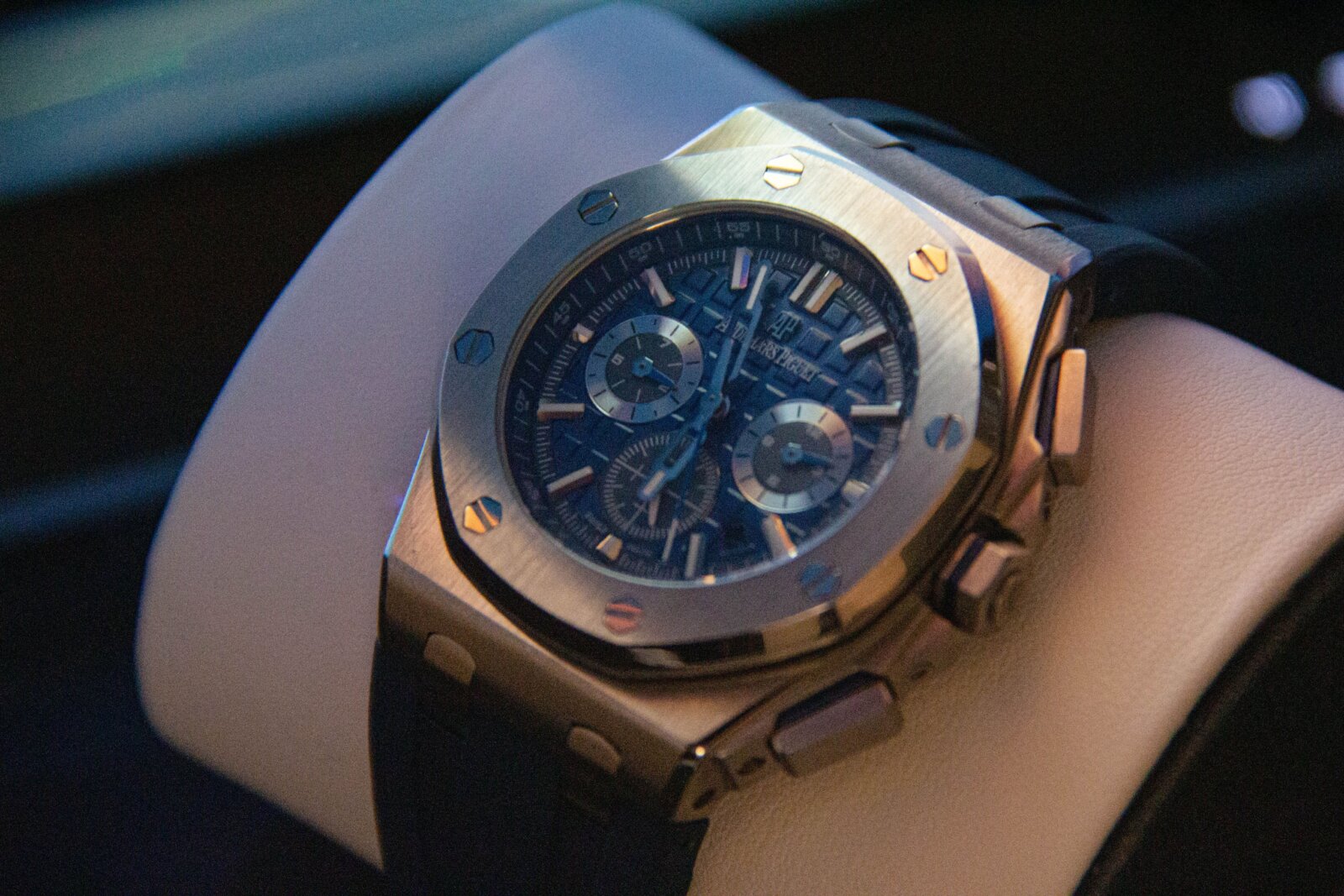
The two brands used to track each other closely. Not anymore. Patek’s value-retention score hit 15.4% by the end of Q2 2026 — more than five times Audemars Piguet’s 3%, per WatchPro’s secondary-market data. Patek’s retention climbed 10.4 points year-on-year; Rolex gained 7.2. All of this happened even as both brands raised retail prices, meaning resale values grew faster than list prices did.
AP’s position looks shakier on closer inspection. By early 2025, according to SJX’s secondary-market analysis, AP had slipped below retail on average — and the few references still clearing list are almost entirely Royal Oaks. Patek’s pricing power spreads across dress watches, sports models and complications. AP’s now rests on one design family holding the line. That’s a meaningfully different risk profile for anyone deciding between the two brands.
Where the real risk hides
Newcomers worry about the wrong thing. They ask whether they’re “overpaying” versus retail, when the bigger risk is buying outside the handful of references actually driving this whole dynamic. Demand for the hottest sports models from Patek, Rolex and AP is what’s propping up both primary and secondary markets. Everything else — including plenty of well-made dress watches from the same brands — trades flat or below retail, with none of the same staying power. Paying a premium for a Nautilus or a steel Royal Oak means buying into a documented, persistent pattern. Paying a similar premium on a less iconic Patek reference, on the assumption that the brand name alone guarantees resilience, is a different and considerably weaker bet.
The Singapore angle
Singapore’s role as a regional hub for watch trading and storage — freeport infrastructure, a deep bench of authorised dealers, private sellers serving clients across Southeast Asia — puts local collectors in a strong position to act on this logic rather than just watch it from the sidelines. Comparing grey-market prices across references is straightforward here, and the same custody and discretion infrastructure serving art and bullion collectors works just as well for watches held as long-term stores of value.
The takeaway
The gap between retail and grey-market price isn’t something to game or avoid. It’s the clearest signal these two brands produce, and it rewards patience over impulse buying. The waiting list was never the obstacle. It was the market telling you, well in advance, exactly what the watch is worth.