
The Second-Largest Diamond on Earth Just Found a Buyer
A fist-sized crystal weighing half a kilogram sat in Lucara’s inventory for nearly two years. Then, without fanfare, it disappeared into private hands.
Two years of waiting
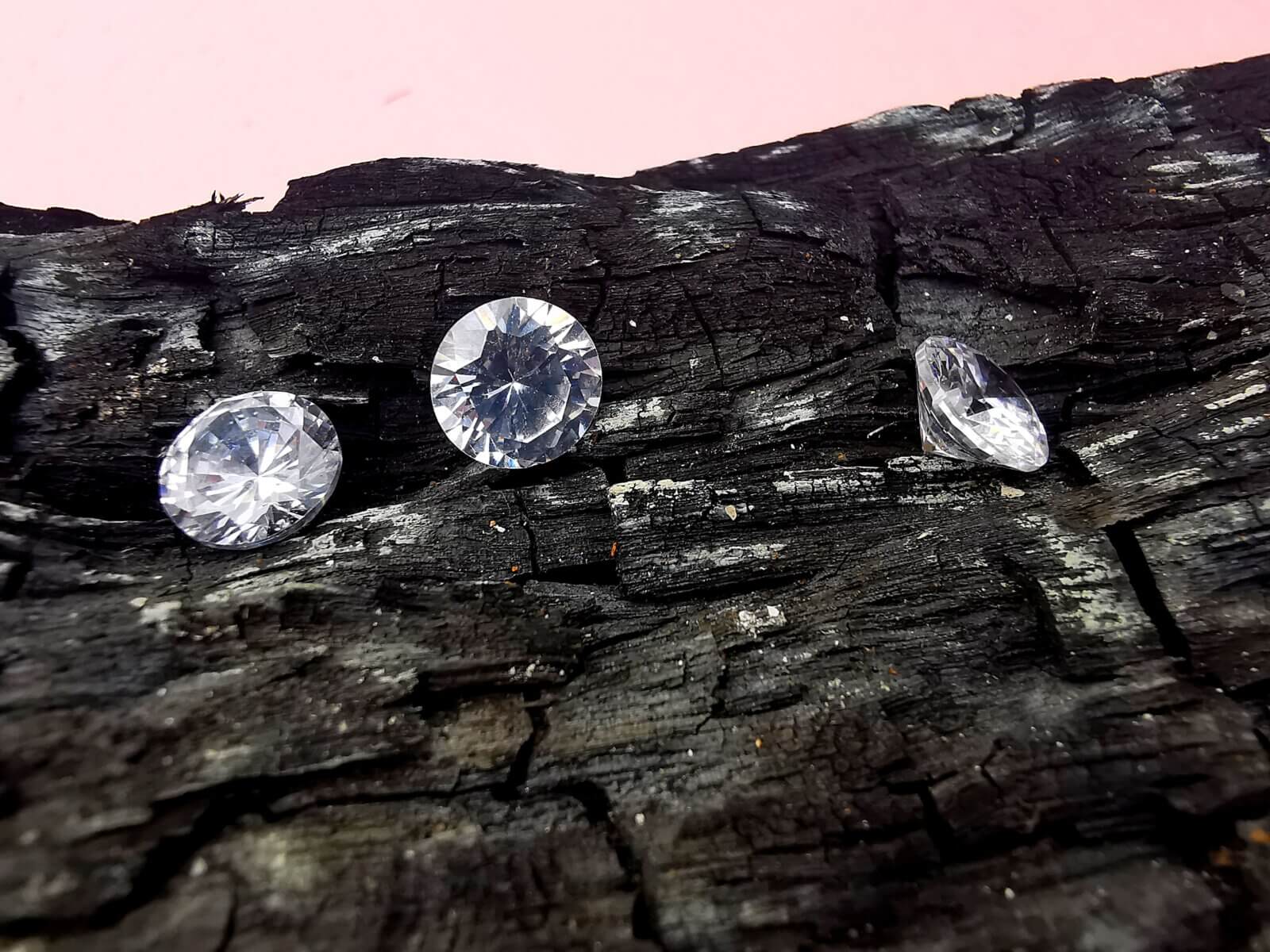
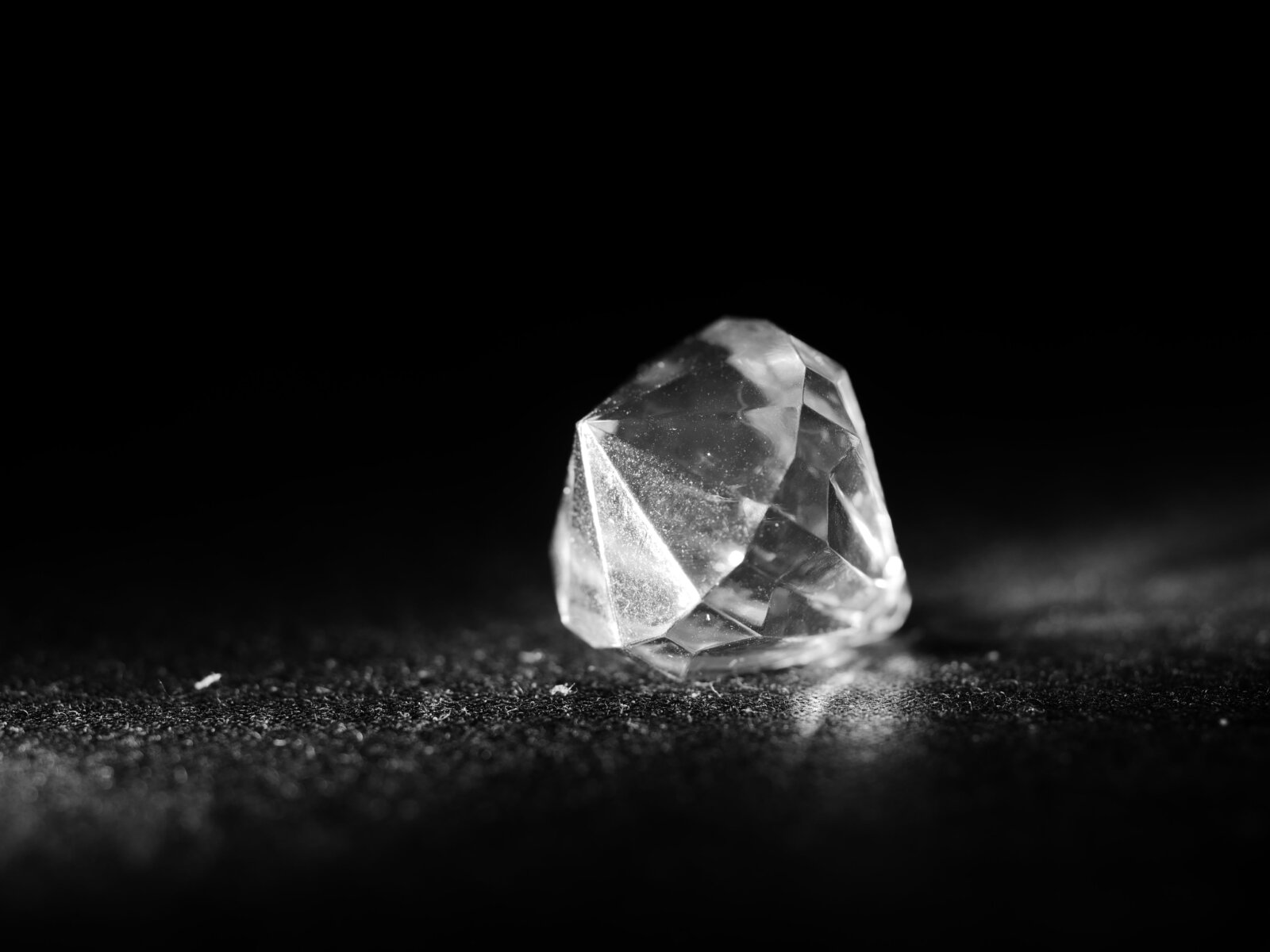
In August 2024 a rough diamond came out of the Karowe mine that immediately rewrote the recent history of large stones. At recovery it weighed 2,492 carats. After cleaning the figure settled at 2,488.32 carats — half a kilogram of transparent light-brown crystal. They named it Motswedi, a Setswana word for an underground spring that breaks the surface. Only the Cullinan, found in South Africa in 1905, is larger. Motswedi remains the biggest diamond ever recovered in Botswana.
Lucara Diamond sold it in the second quarter of 2026. The announcement came almost as an afterthought inside the company’s quarterly results. The stone formed part of $41 million in revenue for the period. That was the entire public disclosure. No price. No identity of the buyer. After nearly two years on the inventory list, Motswedi simply left the books and entered private ownership.
What the laboratory found
The Gemological Institute of America examined the diamond in Gaborone and confirmed it is a single type IIa crystal with no detectable nitrogen. It formed deeper in the earth than the great majority of diamonds. Tom Moses of GIA said he had never handled a gem-quality stone of this size. Karowe has produced several exceptional crystals in the last decade — Lesedi La Rona at 1,109 carats, Constellation at 813, Seriti at 1,094 — but Motswedi sits in a different category. Stones of this scale do not move through ordinary sales channels. Pricing them is complicated. Finding a buyer who can both pay the sum and then decide what to do with the crystal takes longer still. That is why the diamond sat for almost two full years.
The decision that now belongs to one person
The new owner inherits the central question that has followed Motswedi since the day it left the mine: keep the crystal whole or begin cutting. Left intact it remains a geological document, the largest single crystal of its kind still in existence. Cut, it can become several important polished stones in the same way the Cullinan was transformed more than a century ago. Diamonds of this magnitude rarely stay untouched forever. The market for such stones is small and the transactions are usually quiet. Provenance is clean, the mine is documented, the laboratory report is public. The only details that remain private are the ones that matter most to serious collectors — the price paid and the name of the person or institution that now holds the stone.
Motswedi’s public chapter closed with the sale. What follows will happen out of sight: the decisions about cutting, the eventual appearance of any polished pieces, and the slow movement of ownership that may one day surface in a collection catalogue or a museum record.