
In Plain Sight: A Decade of Hand-Plucked Paper Comes to Gillman Barracks
Sundaram Tagore Gallery presents a mid-career survey of the Chicago-based artist’s tactile paper works, on view August 15 – October 24, 2026, with an opening reception and artist walkthrough on the show’s first day.
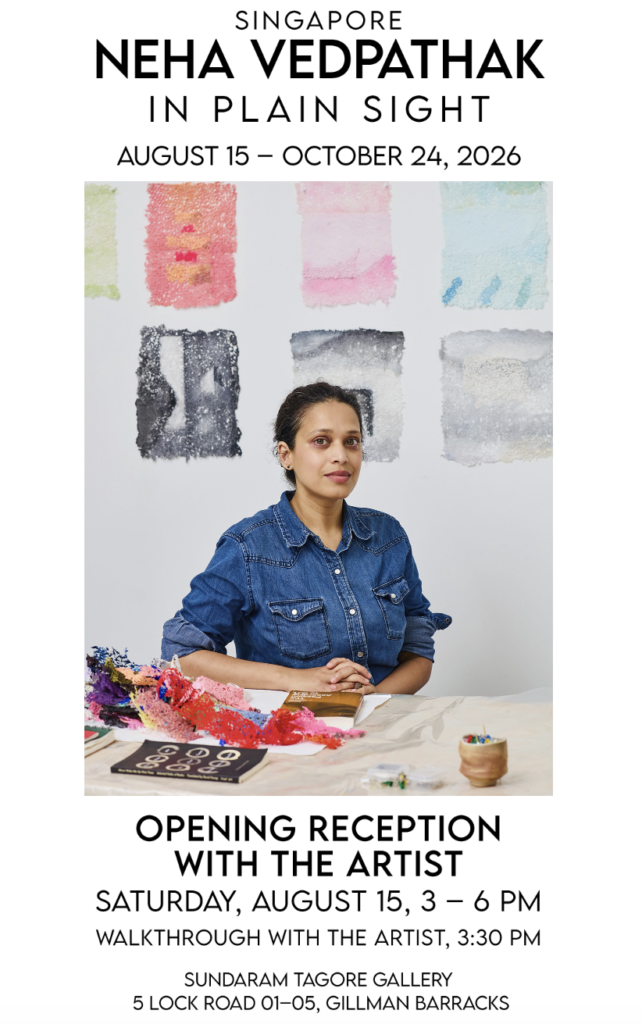
Sundaram Tagore Gallery opens “Neha Vedpathak: In Plain Sight“ on August 15, running through October 24, 2026, as part of Singapore Gallery Month. The show brings together works made between 2017 and 2026 by Chicago-based artist Neha Vedpathak (b. 1982, India), offering a focused look at the ideas that have driven her practice for nearly two decades. An opening reception with the artist takes place from 3 to 6 pm on August 15, preceded by an artist-led walkthrough at 3:30 pm.
From canvas to paper: an evolving practice
Vedpathak began her career as a painter, working in minimalist abstraction on canvas before searching for ways to move beyond the flat picture plane. That search led her, in 2009, to handmade Japanese paper — prized for its long, strong fibers — which has since become her defining material. The exhibition traces this evolution and the recurring concerns that connect her early paintings to her current sculptural reliefs.
The art of “Plucking”
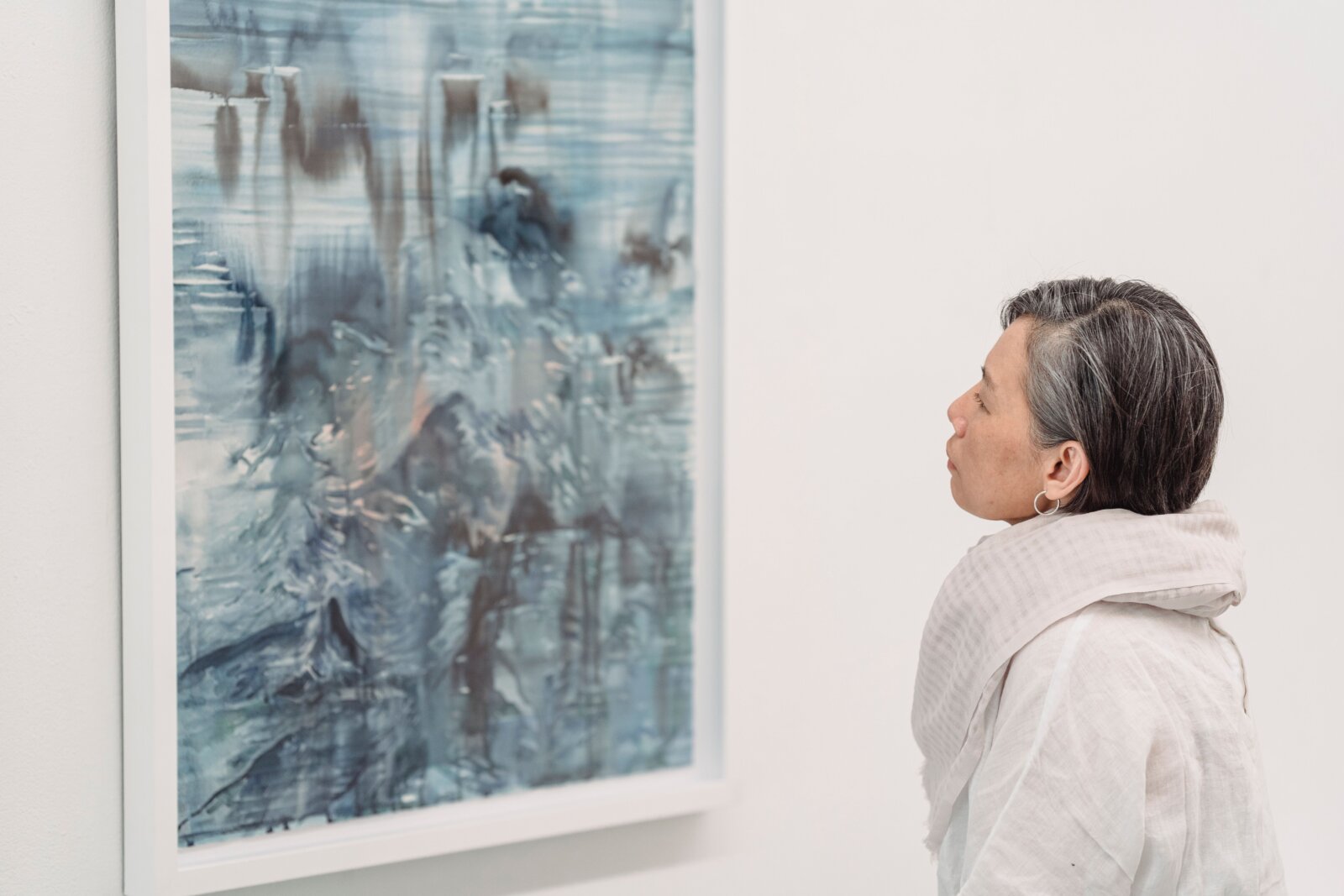
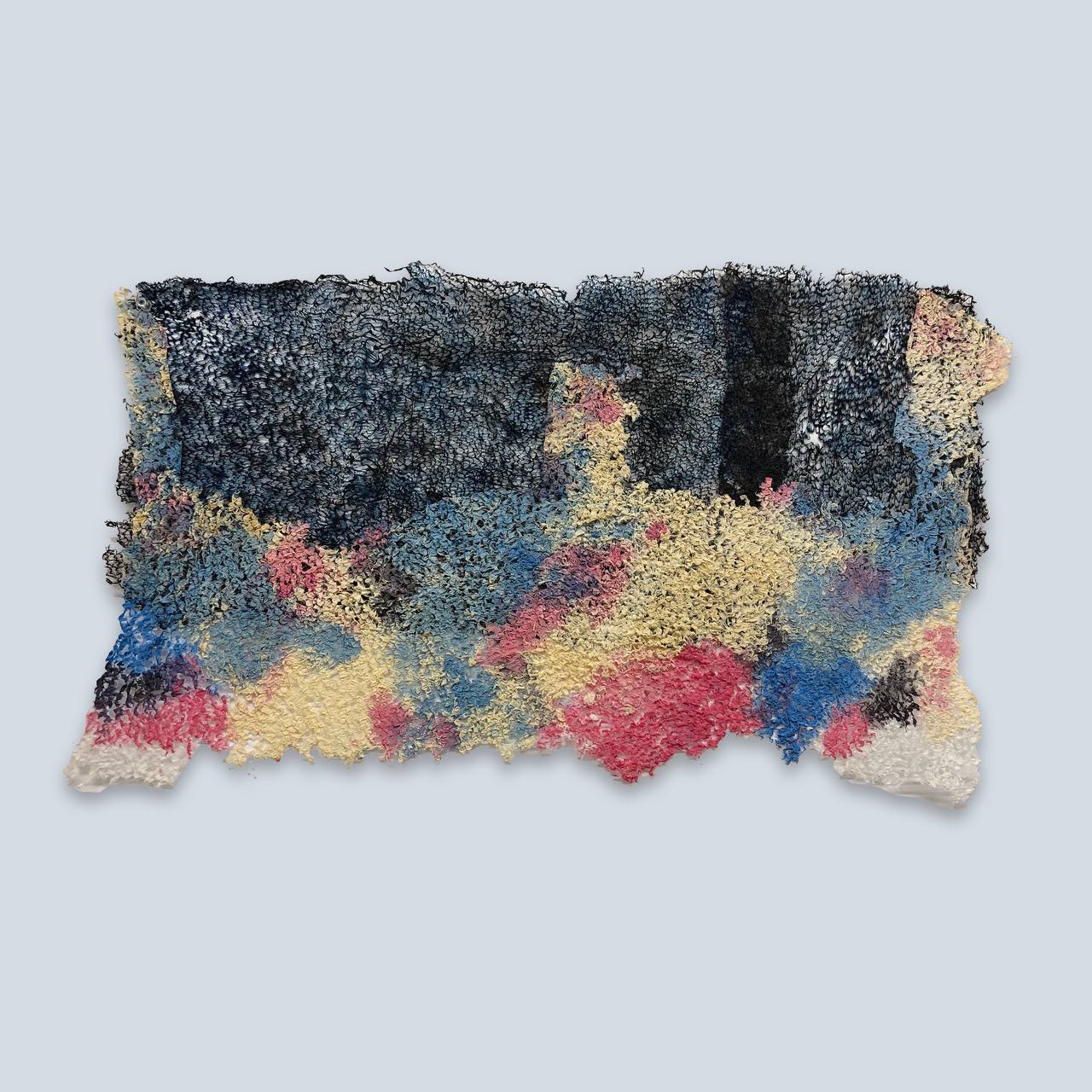
At the center of Vedpathak’s practice is a technique she pioneered and calls “plucking”: separating the fibers of handmade paper one by one with a tiny pushpin. Each work is built from thousands of these minute interventions, which gradually transform a sheet of paper into a lace- or netting-like surface. She then sews together plucked sections and stains them with pigment — a slow, exacting process that can take months per piece, making time itself a material presence in the finished work. The results sit between painting and sculpture: richly textured constructions that appear to float off the wall, casting intricate shadows as light moves across them. “In Plain Sight” is organized around three interwoven themes running through Vedpathak’s output, tracing the connective threads between individual works made across nearly a decade.
In conversation with Neha Vedpathak
Regina Sigay: In Singapore’s climate, what should collectors know about light, humidity, framing and caring for these paper works?
Neha Vedpathak: I would encourage collectors to frame the artwork using Optium plexiglass. It is the easiest and safest way to ensure the longevity of the works. I have had the opportunity to show my works in Miami, Mumbai, and Singapore in the past, all humid places, and we have had no issues with the framed works. I urge collectors to treat the works like drawings on paper, and know that framing the work will protect it from the elements.
Regina Sigay: Paper, fiber and visible handwork are receiving more attention in contemporary art. Do you see this as a lasting shift or a market fashion?
Neha Vedpathak: As the world collectively moves each day towards machine-made and AI-informed reality, I think anything that highlights the imperfections and skill of a human hand will become more essential and valuable. It is an important human instinct to make a mark with one’s hand, and mediums like paper and fiber remind us of that. Handmade paper is an ancient, humble, and cognitively accessible material and therefore a reassuring one as well. I think artworks that highlight the use of the artist’s hand are here to stay and thrive.
Regina Sigay: Collectors often first encounter art on a screen. What cannot be understood about your work online — and what should they look for in person?
Neha Vedpathak: On one hand the internet has made it very easy to access art and artists from around the globe, but on the other hand it can never capture the nuances, the energy and context of the work the way encountering the work in person allows for. Experiencing a work of art in person at a museum or gallery is a somatic experience and has the potential for a transformative and poignant moment if the viewer is open to it. I would ask viewers to try to slow down and engage in what I call slow looking — once their eyes are attuned, they can notice the texture of the paper, every hole created by hand by an individual pluck, and the interplay between the delicateness and strength of the plucked Japanese handmade paper. There is always an alchemical moment that happens when the viewer brings their whole self to the work.
Regina Sigay: Beyond purchasing a work, what kind of relationship with a collector genuinely supports an artist over time?
Neha Vedpathak: Having an ongoing and long-term relationship with a collector is wonderful for the growth of the work and artist by extension. Beyond collecting, collectors can support the artist by showing up — to their exhibition openings, lectures, performances, and so on. Collectors can keep learning about the art as artists evolve. If they have acquired the work, they can open up their home for a collection tour and educate others in their circle, and generally be a vocal advocate and champion of the work.
Exhibition Information:
Dates: August 15 – October 24, 2026
Opening Reception with the Artist:Saturday, August 15, 3 – 6 pm
Artist Walkthrough: Saturday, August 15, 3:30 pm
Venue: Sundaram Tagore Gallery, 5 Lock Road #01–05, Gillman Barracks, Singapore
Gallery Hours: Tuesday–Friday, 11 am–6 pm; Saturday, 11 am–7 pm
Photos: press service archives