

One room, one book: what Tokyo’s smallest bookstore understands about attention
In Ginza, a bookstore the size of a walk-in closet sells exactly one title a week — the same book, in multiple copies, surrounded by an exhibition built entirely around it. There is no browsing, no comparison, no algorithm suggesting a second option. For an audience that spends its life allocating scarce attention across an infinite number of assets, ideas and obligations, that single constraint deserves closer study than it usually gets.
A bookstore that removed the bookstore
Yoshiyuki Morioka opened his shop in Ginza on 5 May 2015, on the ground floor of the Suzuki Building, a listed 1929 structure with its own quiet architectural pedigree. The premise, by conventional retail logic, should not work: the store sells a single book title at a time — several copies of it, not several titles — for one week, before switching entirely to the next. No backlist. No genre sections. No algorithm nudging a browser toward “customers also bought.” Just one room, painted white, built around one object.
Morioka’s own account of the idea is disarmingly practical rather than philosophical. Having spent years running author events and book launches at a more conventional shop, he noticed that a single title, properly presented, was enough to hold a room’s attention completely. The insight wasn’t about scarcity for its own sake — it was that abundance of choice was diluting the very thing that made those events work.
Attention treated as the actual product
What makes the concept worth studying isn’t the constraint itself but what fills the space it creates. Each week, the store builds a small exhibition around that week’s book — objects, artwork or photography chosen to extend the book’s themes into physical space. A title referencing a particular flower might see that flower placed in the room. A novel with a strong sense of place might be accompanied by ceramics or imagery evoking it. The book stops being a static object on a shelf and becomes the organising idea for an entire environment, briefly, before the room resets for the next title.
This is a materially different use of retail space than the conventional model, where more inventory is treated as more opportunity. Morioka’s shop operates on the opposite assumption: that depth of attention on one object produces more value — commercial and otherwise — than breadth of choice across many. Visitors don’t leave with more options; they leave having actually engaged with something.
Why this matters beyond bookselling
For anyone building a brand, a collection, or a business competing for attention in a saturated category, the Morioka model offers a genuinely transferable principle: constraint, deliberately designed, can be the differentiator itself. In a retail and media environment where infinite choice has become the default — endless product lines, endless content feeds, endless comparison — the businesses that stand out are increasingly the ones willing to remove options rather than add them.
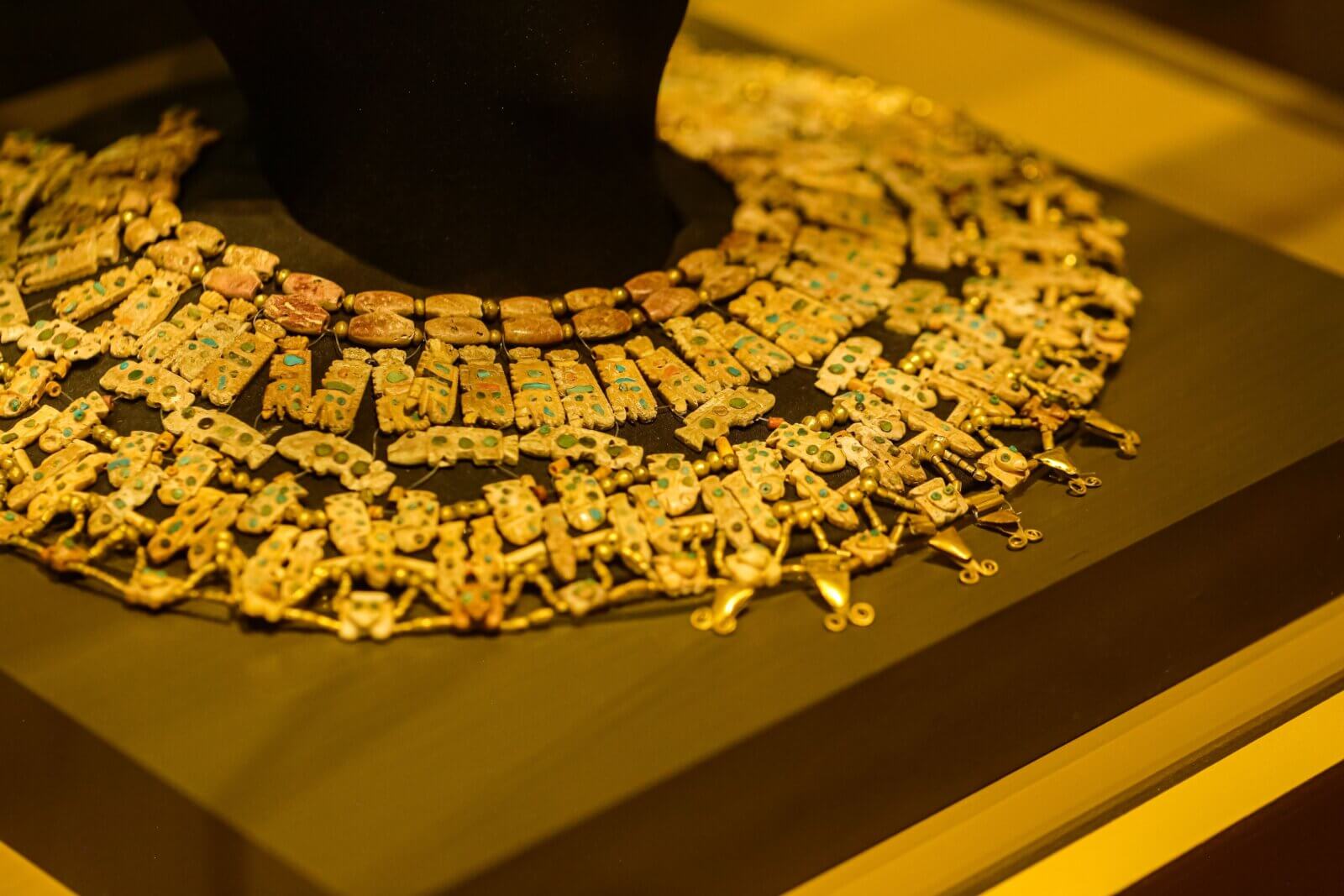
This logic extends naturally to collecting and curation, categories this publication returns to often. A single, well-chosen object presented with full context — provenance, story, environment — routinely commands more attention and more value than an undifferentiated abundance of similar objects competing for the same gaze. Morioka Shoten simply makes that principle visible at the scale of an entire retail space, changing weekly, rather than applying it to a single item within a larger inventory.
The commercial logic behind the constraint
It would be a mistake to read Morioka Shoten as purely an art project. The shop has operated as a limited company since January 2015, with backing that included Masamichi Toyama, CEO of Smiles Co., as an investor, and design studio Takram serving as branding and art director — signals that the concept was built with genuine commercial and strategic intent, not simply as an eccentric passion project. A decade on, the store continues to draw visitors from well beyond Tokyo specifically because the constraint has become the brand, rather than a limitation the brand had to work around.
What it suggests for Singapore
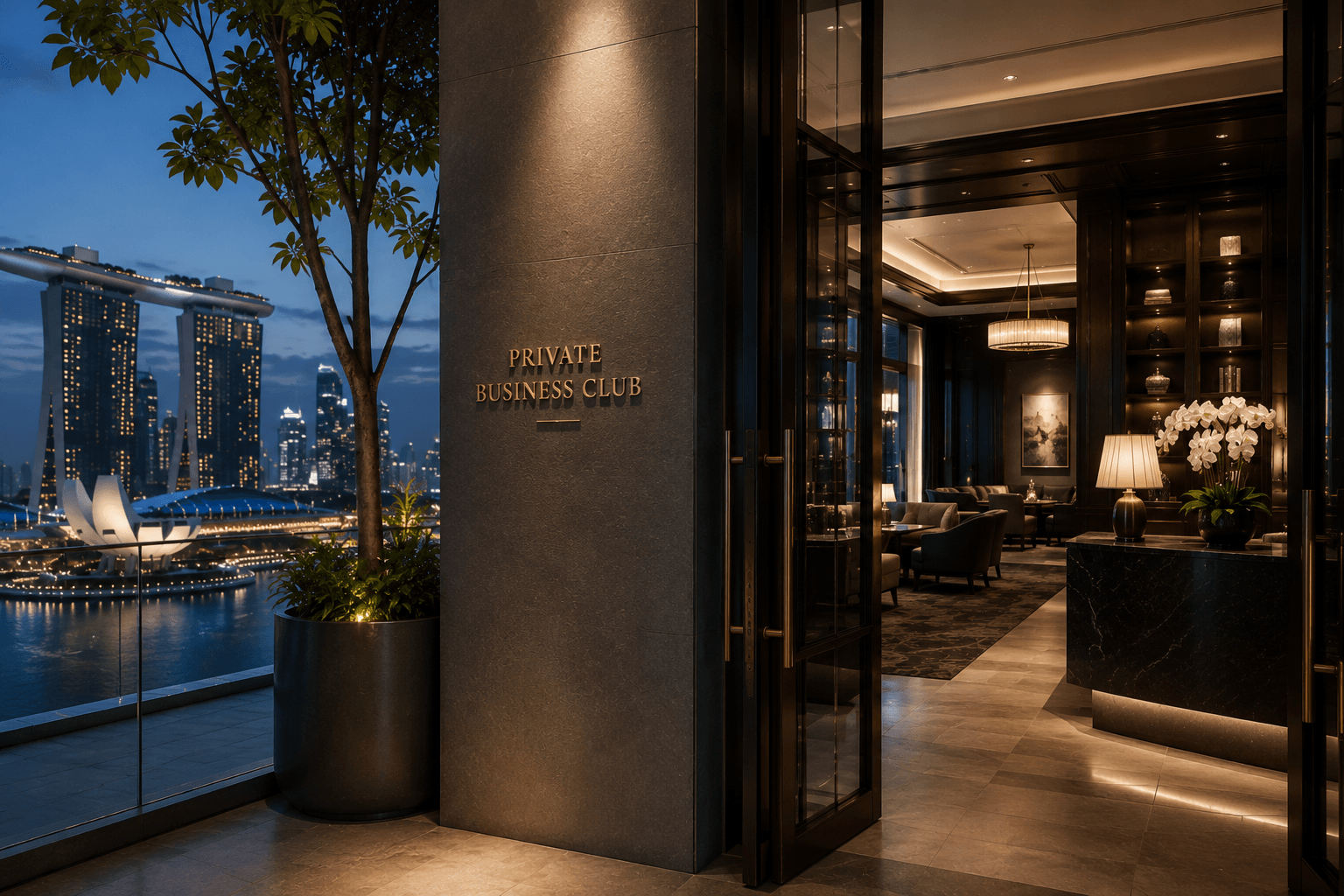
Singapore’s own luxury and cultural economy — from its growing gallery scene to its jewellery expos to its private members’ clubs — increasingly competes not on having more to offer, but on offering something more deliberately curated than the next venue. Morioka Shoten is a useful, extreme reference point for that instinct: a reminder that in categories where everyone else is adding, the sharper competitive move may be to subtract, and to make what remains impossible to ignore.
The store’s real product was never really the book. It was the room built around it — and the decision, renewed every single week, to make sure nothing else was competing for the visitor’s eye.