
Quiet capital: Why Asia’s Ultra-Wealthy Are Moving Both Their Fortunes And Their Lives To Singapore
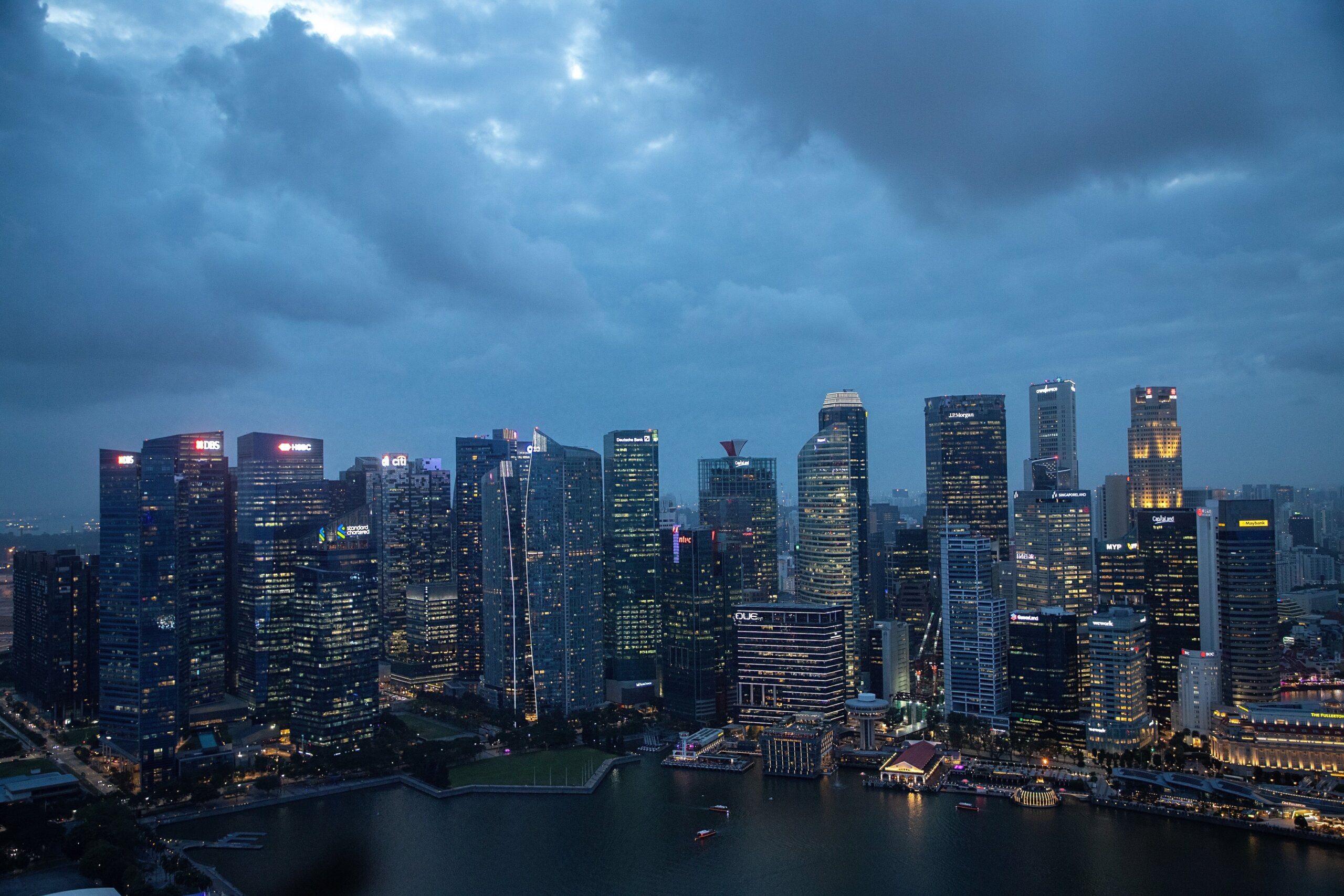
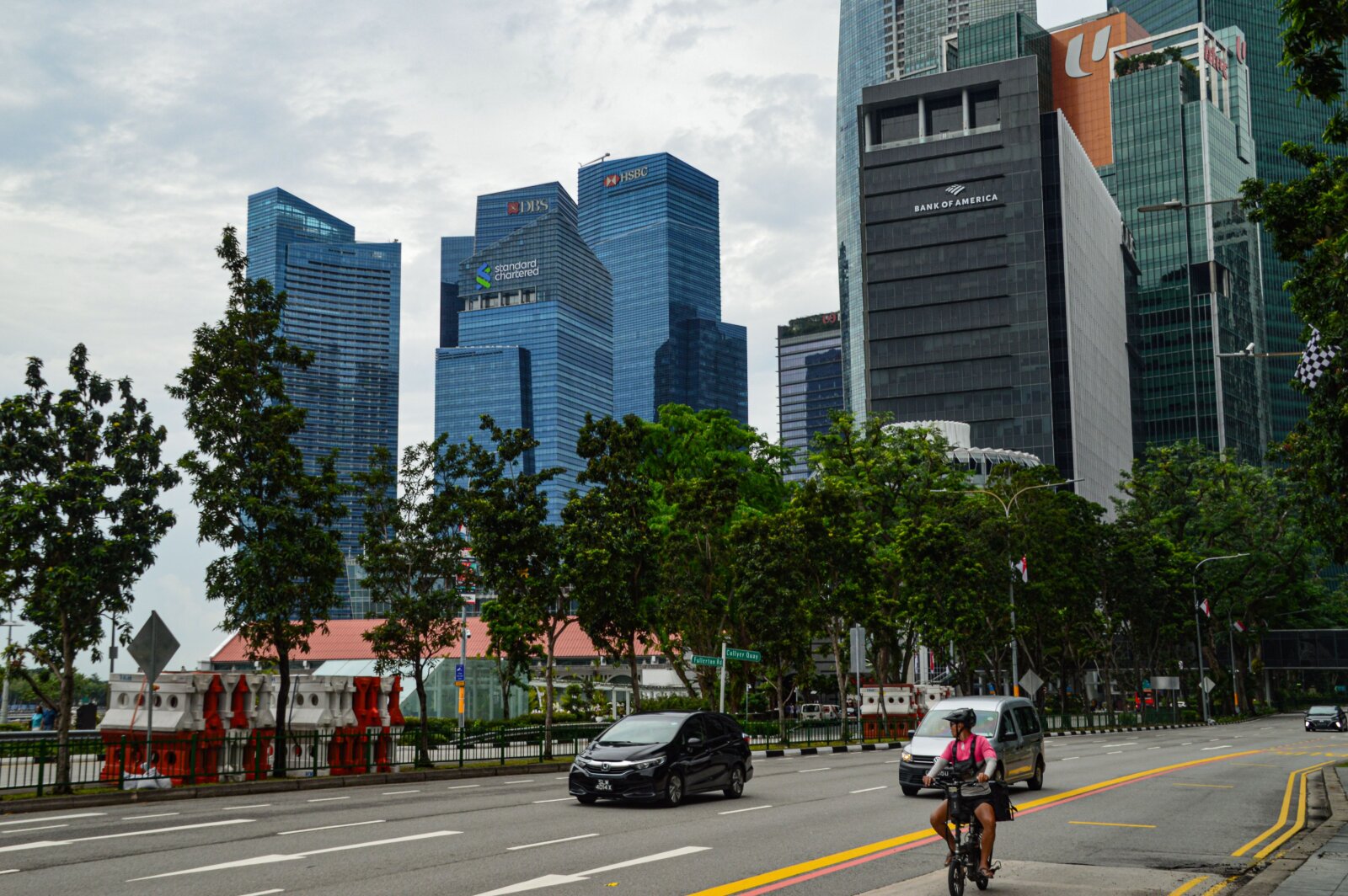
In five years Singapore has absorbed a surge of private capital few centres can match. According to a February 2025 parliamentary reply by Monetary Authority of Singapore Chairman Gan Kim Yong, the number of single-family offices awarded tax incentives rose from around 400 at the end of 2020 to more than 2,000 by the end of 2024. The MAS Asset Management Survey 2025, released in July 2026, shows total industry assets under management reached S$6.7 trillion. These families are not merely parking money. Many are shifting decision-making, next-generation education and, increasingly, elements of their residence to the city. Singapore’s political stability, rule of law, tax framework and dense professional ecosystem make it practical to run investment committees and family governance from here even when operating businesses remain elsewhere.
From booking centre to operating base
Earlier waves of family-office formation often treated Singapore as a convenient booking jurisdiction. The current generation of arrivals faces tighter economic-substance rules under the Section 13O and 13U tax-incentive schemes. Minimum assets under management, Singapore-resident investment professionals (including at least one non-family member), tiered local business spending and a capital-deployment requirement into designated Singapore assets have raised the bar. These conditions are intentional. They convert tax incentives into a commitment to local presence.
For families, the practical effect is that the Singapore office becomes the place where investment committees meet, where succession planning is coordinated and where the next generation is introduced to governance. Once that operational centre is established, the incentives to move family members themselves increase. Employment Pass routes linked to the family office, the Global Investor Programme and the broader quality of schooling, healthcare and connectivity reinforce the decision.
Who is moving, and why now
The inflow remains predominantly Asian. Mainland Chinese families formed a significant early cohort, though applications from that market have moderated amid tighter due-diligence standards following high-profile enforcement actions. Taiwanese families have accelerated their interest, citing geopolitical risk and the desire for a neutral platform from which to manage regional and global assets. Indonesian, Indian and Southeast Asian principals continue to treat Singapore as the natural regional hub. More recently, capital from the Middle East has appeared as families seek diversification away from regional volatility.
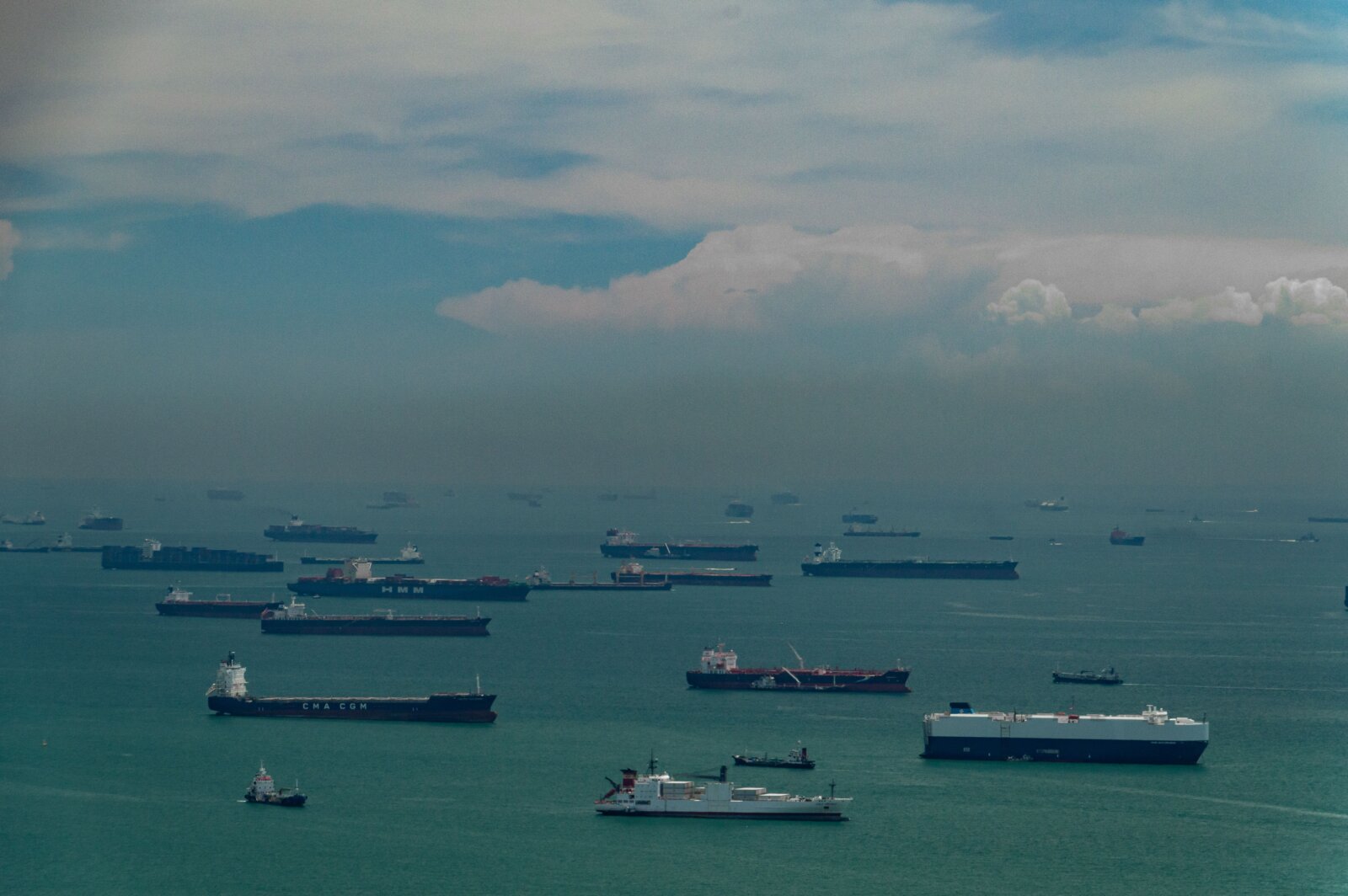
What unites these groups is a preference for continuity. Singapore’s predictable policy environment and English-language legal system reduce the friction of multi-jurisdictional planning. The city also functions as a practical gateway: a four-hour flight radius covers most major Asian economies, while banking and professional services remain globally competitive.
Competition exists. Hong Kong retains depth in China-related capital and has expanded its own family-office incentives. Dubai continues to attract families seeking zero personal tax and lifestyle amenities. Yet for many Asian principals the combination of political neutrality, institutional depth and Southeast Asian market access still favours Singapore as the primary operating base.
What this concentration means for capital
The clustering of family offices creates secondary effects that matter to investors. Deal flow in private markets, especially within Southeast Asia, has become denser. Co-investment opportunities among family offices are more frequent. Professional services have specialised further, lowering the marginal cost of sophisticated structuring for new entrants. At the same time, the higher substance requirements mean that the offices remaining are more likely to be durable rather than opportunistic.
For existing Singapore-based families and institutions, the inflow expands the local pool of sophisticated capital. For those still considering a move, the decision is no longer whether Singapore can host a tax-efficient vehicle, but whether the city can serve as the long-term centre of family governance. Increasingly, the answer appears to be yes.
The quiet capital arriving in Singapore is therefore not only seeking shelter. It is seeking a place from which to operate, allocate and transfer wealth across generations with a higher degree of certainty than most alternatives currently offer. That combination of fiscal efficiency and operational reliability explains why both fortunes and families continue to move.