

Quietly exceptional: the philosophy behind Marguerite restaurant
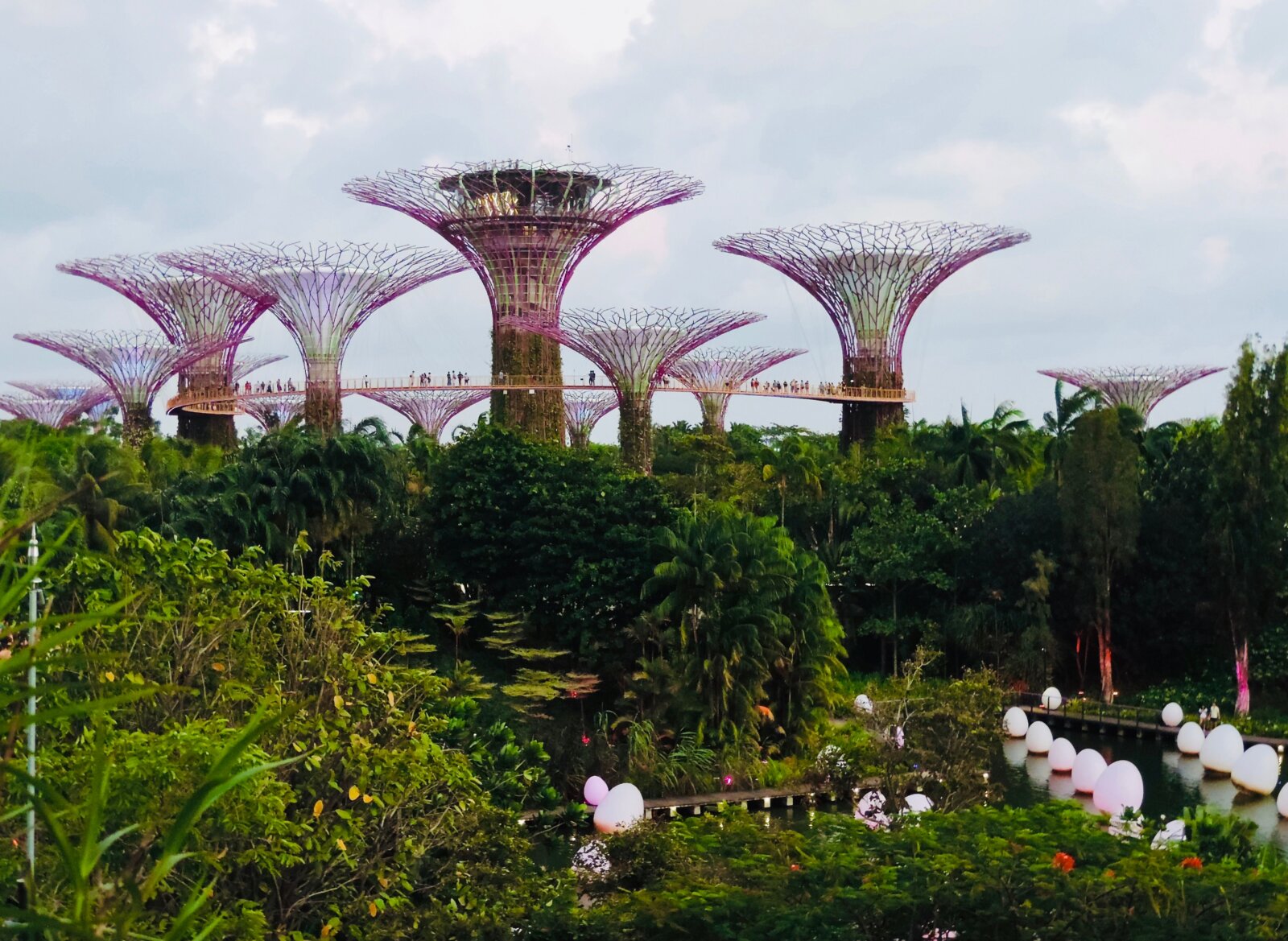
In the temperate hush of the Flower Dome at Gardens by the Bay, Marguerite occupies a singular position. Guests arrive by complimentary buggy, step into one of the world’s largest glasshouses, and find themselves already inside a living landscape before the first course appears. The restaurant does not invent this sense of place; it inherits it. What Michael Wilson and his team have built is a kitchen that treats the surrounding environment not as decoration but as context—and then applies an exacting internal logic to everything that follows.
The ingredient as starting point
Wilson’s definition of a “Marguerite” dish is practical rather than theoretical. “A Marguerite dish always starts with the ingredient,” he says. “We ask ourselves what is exceptional about it, where does it come from, who produced it and, most importantly, what we can do to make it taste its absolute best.”
The goal is not to improve on nature for the sake of technique, but to concentrate, deepen or reveal another dimension of flavour through ageing, fermentation, preservation or precise cooking. Australian produce now sits at the centre of the restaurant’s Modern Australian direction, yet nationality alone is never justification. “Everything needs a purpose.” Native botanicals—strawberry gum, lemon myrtle, mountain pepperberry, wattleseed—are handled with the same restraint. Their distinctive aroma, intensity or spice must enhance rather than overwhelm. In Singapore’s tropical climate the menu also insists on lightness and brightness. Even dishes with richness or depth are lifted by acidity, freshness or aromatics so the multi-course progression never sits heavily.
Aesthetically the food is elegant without unnecessary complication. Modern Australian cuisine can be perceived as rustic; at Marguerite the intention is to show it can be refined while remaining true to the produce and the landscapes it comes from. The final filter is uncompromising. “Is it delicious? You can have an incredible ingredient and a wonderful story, but if the dish isn’t delicious, it doesn’t belong on the menu.”
Evolution without restlessness
The menu is in constant motion, yet Wilson resists the temptation of change for its own sake. Produce dictates the pace. Regular conversations with farmers, suppliers and foragers determine what arrives and when. An unexpected find from a forager can spark an entirely new dish. Smaller adjustments—new ferments, refined garnishes, seasonal substitutions—happen quietly.
What matters more is the architecture of the tasting menu itself. Courses are never developed in isolation. The kitchen considers how one leads into the next, how flavours build, and whether the full sequence feels balanced from beginning to end. A dish that remains exciting, is supported by produce at its peak, and continues to resonate with guests is allowed to evolve rather than be retired simply to create the appearance of novelty.
Transparency as discipline
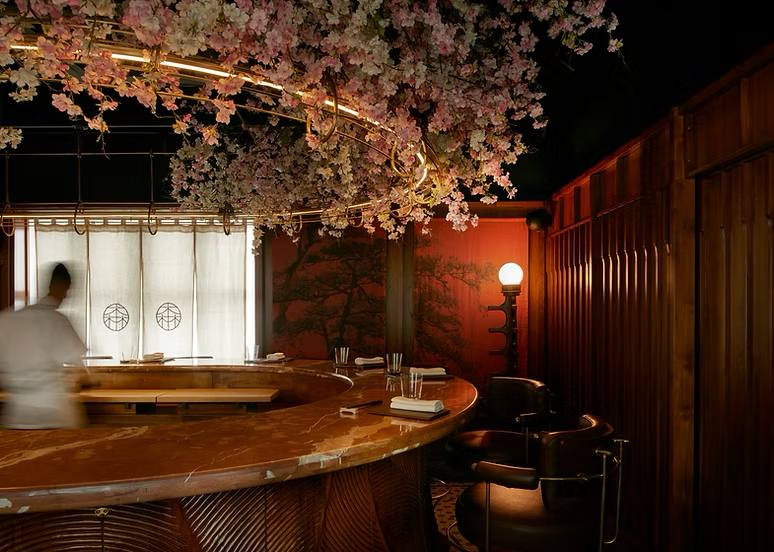
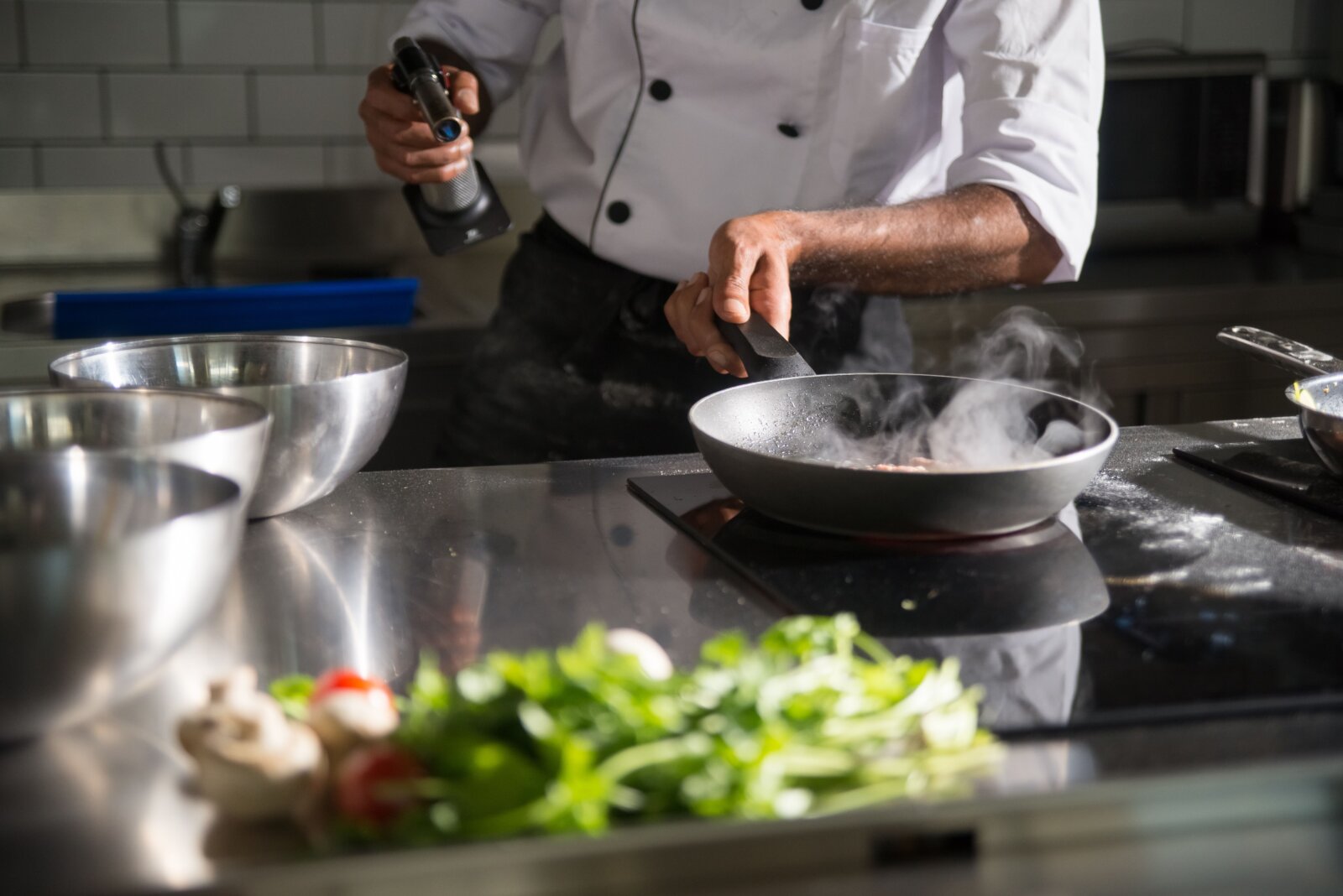
The open kitchen places prep stations and plating in direct view of the dining room. Wilson has always valued the connection this creates. Guests see both the long preparatory work—elements that may have taken days or months—and the final moments of finishing a sauce or adjusting a plate. The barrier between kitchen and dining room dissolves; the chefs become part of the experience rather than unseen operators.
The arrangement works in both directions. Chefs observe guest responses, the pace of service and the energy in the room. It reinforces that hospitality is an entire experience, not solely what arrives on the plate. An open kitchen also removes any place to hide. Timing may need adjustment, a plate may be sent back for correction, a sauce may require a final tweak. In a closed kitchen these moments remain invisible. Wilson does not regard their visibility as a liability. “If anything, it shows the level of attention that goes into making sure something is right before it reaches the table.”
What the transparency demands is discipline. Raised voices, chaotic movement or visible frustration are unacceptable because the kitchen is effectively an extension of the dining room. For Wilson the principle is straightforward: transparency only becomes a problem if what is being shown is not something the team is proud of. Otherwise, there is something compelling about guests witnessing that fine dining is still made by people, in real time.

Constraints that become identity
Operating inside the Flower Dome means certain atmospheric elements remain outside the restaurant’s control. Temperature, light and the surrounding plant life belong to a larger horticultural ecosystem. Wilson has chosen to treat this as part of Marguerite’s identity rather than a limitation to be overcome. Guests already enter with a sense of place. The kitchen therefore concentrates on the details it can shape—table setting, internal lighting, music, service pace and the quality of welcome. Those elements become more important precisely because the larger environment is fixed.
The location also deepens the restaurant’s relationship with nature. A kitchen focused on provenance, landscape and produce sits physically inside one of the world’s most significant horticultural spaces. The connection is not manufactured; it is simply present.
Consideration as standard
The decision to build a serious non-alcoholic pairing programme reflects a broader view of hospitality. “If someone doesn’t drink alcohol, they shouldn’t feel they’re receiving a lesser version of the experience,” Wilson says. The Temperance Beverage Programme applies the same analytical approach used for wine: acidity, sweetness, aroma, texture and structural role across a long menu. Clarified juices are developed to carry complexity while remaining light and clean on the palate.
The process often begins with the wine that would traditionally accompany a dish. The team then identifies fruits, botanicals and spices capable of performing a similar function—complementing, contrasting or lifting the flavours on the plate. One beverage uses caramelised Gala apples and verjuice cooked with celeriac, clarified and oak-infused to evoke the rounded, lightly oaked character of a Chardonnay. Another draws on sour cherry juice infused with cacao nibs, smoked paprika and black peppercorns before clarification, producing darker fruit and spice notes reminiscent of Cabernet. The beverage is conceived as part of the dish rather than an afterthought.
Flexibility is intentional. Guests may choose a full wine pairing, a shorter or customised flight, or the temperance route. Wilson does not regard any of these as the “correct” way to experience Marguerite. The obligation is to ensure that whichever path is chosen receives the same thought, creativity and attention to detail.
Form that serves function
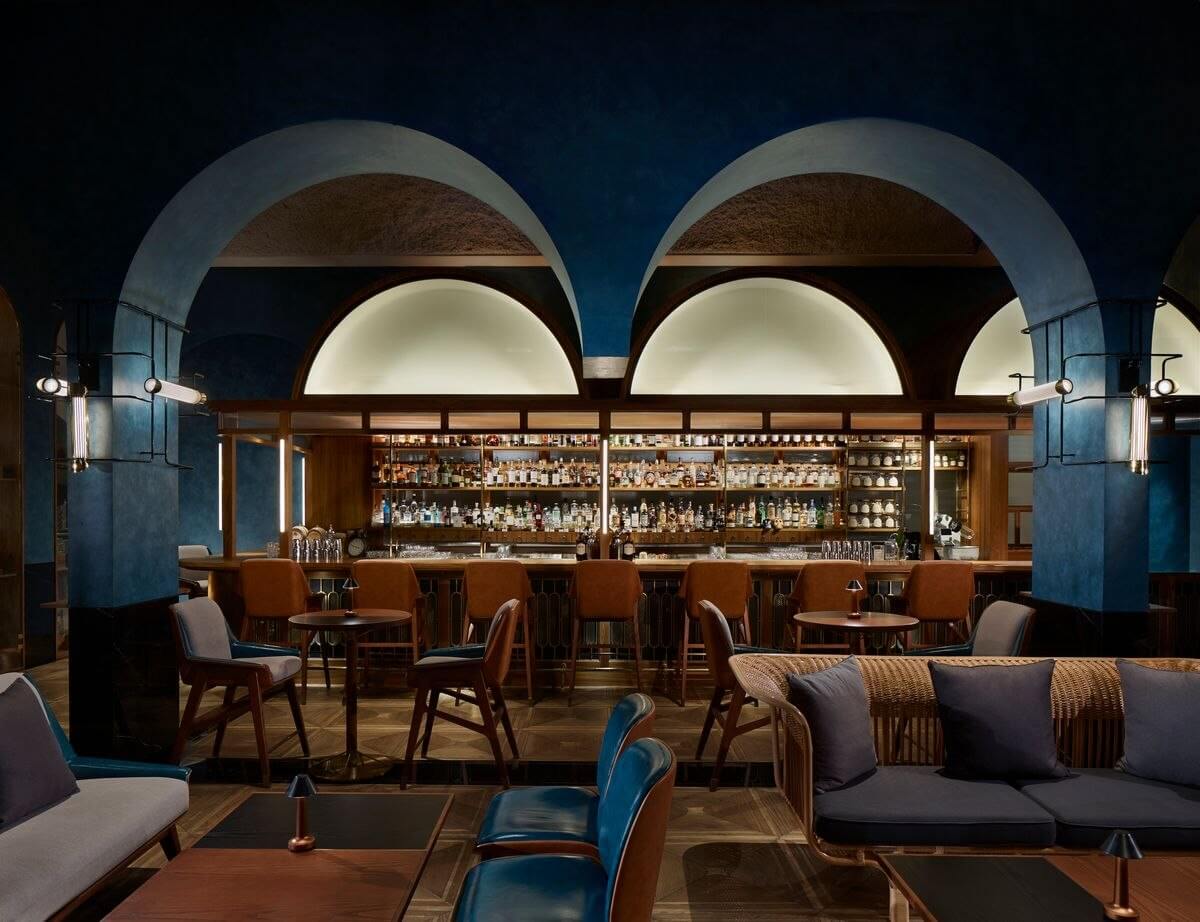
Tableware is treated as an extension of the dish rather than an independent statement. The vessel must support how the food is actually eaten—depth for sauces or broths, surface area when aroma matters, compatibility with cutlery. Colour and texture of ceramic are considered for how they frame the ingredient, but functionality comes first. A beautiful plate that makes the food difficult to eat has failed its purpose.
Across a multi-hour tasting menu, variation in size, texture and shape helps give each course its own identity and prevents visual monotony. The plate remains a canvas. If the first thing a guest remembers is the vessel rather than what was eaten, the balance has gone too far.
Consistency as collective responsibility
Quality control rests on systems and on a team that understands why those systems exist. Everything is tasted—sauces, stocks, ferments, incoming produce. If something is not right, it does not leave the kitchen. Yet consistency across a tasting menu is more complex than replicating the identical dish every night. Produce shifts. Acidity changes. Intensity develops across a season. The kitchen must recognise these variations and adjust.
The menu is also assessed as a complete sequence. An excellent individual dish can still fail if it creates excess richness after the preceding course or if textures and flavour profiles become repetitive. Every course must meet the same standard because a tasting menu is only as strong as its weakest element.

Recognition without defensiveness
The Michelin star awarded in 2022 did not alter the internal standards that produced it. What it introduced was a heightened sense of responsibility. Consistency is required across every service, every day of the week, whether Wilson is at the pass or another member of the team is leading. Systems have strengthened, the team has deepened its understanding of the full guest experience, and attention has expanded beyond the food alone.
Practical adjustments followed observation. Many guests arrive as couples or for special occasions; furniture was reconfigured to create more inward-facing seating that supports intimacy. The wine programme, developed with sommelier Eason Chi, has grown more intentional—approachable yet exploratory, with stronger representation of Australian producers from established names to emerging talent, alongside shorter and customised flights. Accessibility has been widened through shorter lunch and Discovery menus alongside the Signature experience, offering different ways to encounter the restaurant without diluting its standards.
Wilson is alert to the risk that recognition can produce defensiveness. Protecting what has already been achieved can freeze evolution. Since the first star the restaurant has continued to change menus, refine sourcing and move the cuisine into a more personal Modern Australian expression. The standard remains high, yet the kitchen retains the freedom to question and improve. For Wilson the two are not in conflict. Constant scrutiny of how the experience can be more thoughtful, complete and personal is part of maintaining the standard itself.
The non-negotiable measure
One value is held above all others, regardless of season or menu cycle. “Deliciousness,” Wilson states. Provenance, technique, native botanicals, fermentation and presentation are all essential to what Marguerite does. None of them can compensate for food that does not taste genuinely good. Every ingredient must have a reason to be on the plate. Every technique must improve the ingredient. Every dish must contribute something to the experience as a whole.
“That’s probably the simplest philosophy I have in the kitchen: there has to be substance behind the story. If a dish isn’t genuinely delicious, it doesn’t matter how interesting the idea is. It hasn’t earned its place on the menu.”
In a city where capital is plentiful and genuine craft remains scarce, the parallel is precise. Exceptional experiences, like exceptional assets, reward those who insist on purpose, transparency, rigorous selection and an uncompromising final standard. At Marguerite that standard is measured not in narrative or setting alone, but in the quiet certainty that everything on the table has earned its place.