
Which collectibles gained and lost value in 2025: reading the Knight Frank Luxury Investment Index
The Knight Frank Luxury Investment Index barely moved in 2025, down 0.4%, but the categories inside it were 24.5 percentage points apart. Impressionist art, Patek Philippe watches and classic BMWs rose, while whisky, fine wine and classic cars fell. This is what the index shows, and why last year’s winners and losers rarely repeat.
What the index is and how it is measured
The Knight Frank Luxury Investment Index (KFLII) was introduced in the 2013 edition of Knight Frank’s Wealth Report, in response to reader interest in the investment value of collectibles. Knight Frank does not price any of the items itself. It takes existing indices from outside specialists and combines them. Its methodology note names Art Market Research, the Fancy Color Research Foundation, HAGI (classic cars), Rare Whisky 101 and Wine Owners, and the 2026 results also cite WatchCharts for watches and Liv-ex for wine.
Ten categories are tracked: art, classic cars, coins, coloured diamonds, furniture, handbags, jewellery, watches, wine and whisky. The composite figure is a weighted average, and the weights reflect the size and collectability of each market, so art counts for more than coins. The 2025 figures cover the year to the fourth quarter and were published in April 2026.
The index shows how prices moved, not what an investor would have earned. Auction fees, storage, insurance and tax sit outside it, and it cannot be bought as a product. Each category also comes from a different provider with its own method, so in our view the category figures say more than the composite.
A flat index with a wide spread
The KFLII closed 2025 down 0.4%, which Knight Frank calls a year of stabilisation after two years of losses. Over ten years the index is up 38.6%. The average hides the real story. The best category, Impressionist art, rose 13.6%. The worst, whisky, fell 10.9%. Knight Frank describes the 12-month picture as uneven: Impressionist and modern art and watches posted solid gains, while contemporary art, fine wine, prints and whisky all declined.
What gained
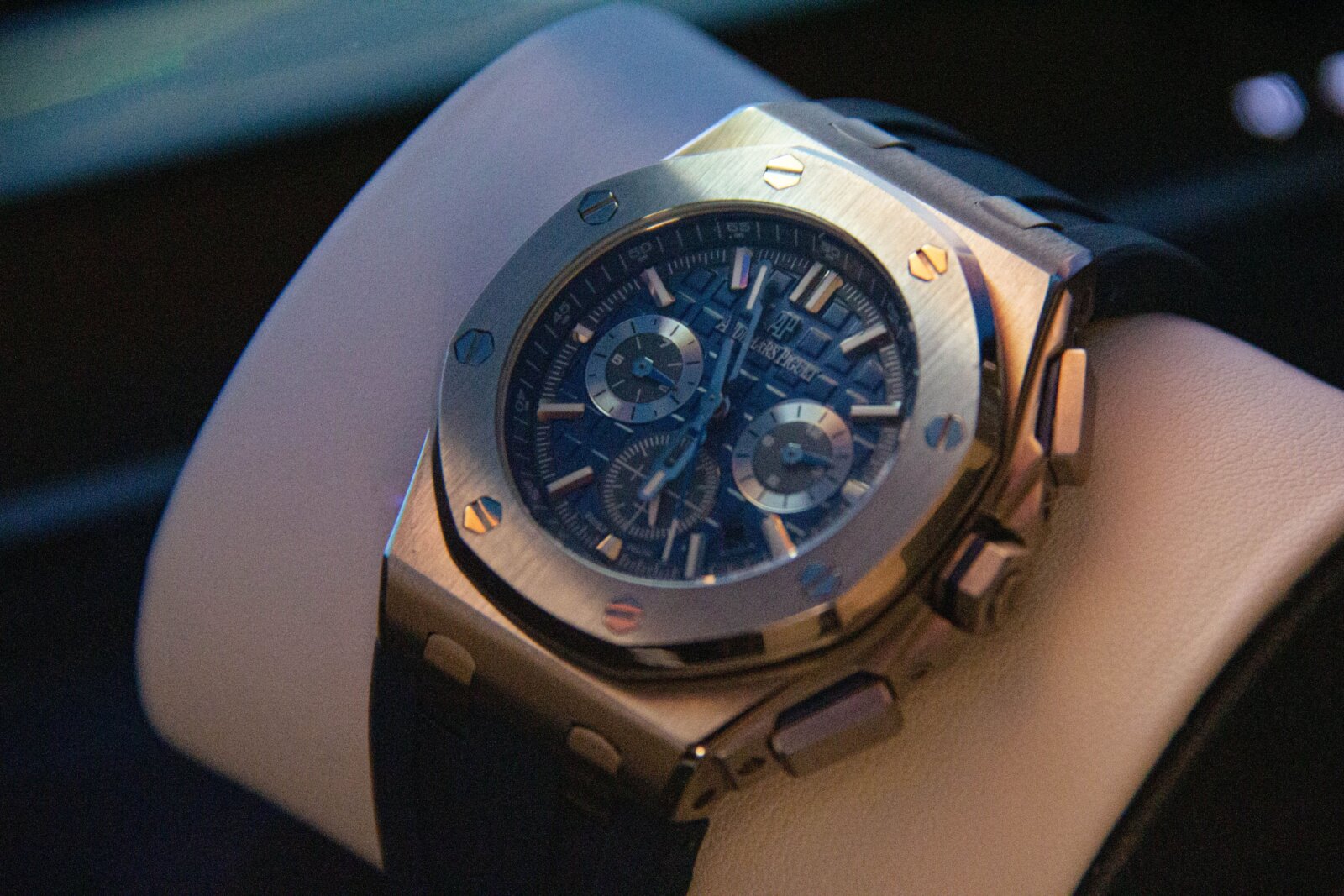
Impressionist art led, helped by large single-owner sales. Gustav Klimt’s Portrait of Elisabeth Lederer sold for US$236.4 million, a record for a modern artwork at auction. Knight Frank also reports that combined fine art sales at the major auction houses rose 11% in 2025 after contracting since 2022, and that the segment above US$10 million rose 19.4%. Watches rose 5.1% on the WatchCharts overall market. The Rolex Market Index gained 4.6%, with nearly all models up. The Patek Philippe Market Index gained 12.1%, led by the Aquanaut and Nautilus. Classic BMWs also stood out: the BMW CI Index rose 22%, driven by models such as the E30 M3 and the 850 CSi, even though classic cars as a whole fell.
What lost
Whisky fell 10.9%, the weakest result in the index. The Liv-ex Fine Wine 100 Index lost 2.5% in 2025 and sits almost 25% below its 2022 peak. Classic cars as a group fell 3.7%, though halo models such as the Ferrari F50 remained fiercely contested at auction. Handbags, fine wine, cars, contemporary art, prints and whisky all declined by amounts between 0.2% and 10.9%.
Last year’s winners and losers changed places
The 2025 ranking is close to the reverse of 2024. According to Knight Frank’s 2025 Wealth Report, the index fell 3.3% in 2024, with art the weakest category at minus 18.3%, worse than during the Covid-19 crisis, and wine and whisky down about 9% each. Handbags were the best category that year at plus 2.8%, followed by jewellery, coins, watches and classic cars.
In 2025 art recovered at the top end, while handbags moved into the group of declining categories. A category’s position in one year says little about the next. The recovery was also selective: Impressionist and modern art rose, while contemporary art still fell.
What the winners have in common
Knight Frank’s global head of research, Liam Bailey, describes the market as entering a more rational and discerning phase, with collectors prioritising rarity, provenance and cultural resonance. The 2025 winners fit that description. They are established names with limited supply: Impressionist masterpieces, Patek and Rolex icons, a handful of halo cars. The gains also concentrated at the top, as the 19.4% rise in art above US$10 million shows. Categories where many bottles trade, such as whisky and wine, did worse. This is our reading of the index, not Knight Frank’s conclusion. The report also points to younger buyers entering through platforms such as Timeless Investments, which sells fractions of collectibles from US$60. Its reported average annual return of 16% on 63 exits between 2022 and 2025 is the platform’s own figure, not an index.
What a collector should take from it
In 2025 a collector in watches and Impressionist art and a collector in whisky and wine had opposite years, inside an index that looked flat. “Luxury” is not one asset class. Before allocating, it is worth asking which category, which tier within it and which kind of buyer the market currently rewards.