
Christie’s Classic Week: the sales and works that set the tone for Paris’s auction season
Christie’s November Classic Week in Paris offers more than a selection of European masterpieces. Across its Old Master paintings, decorative arts and rare manuscripts, the programme reveals three qualities the auction house is placing at the centre of its offering: rediscovery, distinguished provenance and craftsmanship that is increasingly difficult to replicate. While the final auction results are still to come, the selection itself provides an indication of how historical art is being positioned for today’s international collectors.
Rediscovery creates a different kind of opportunity
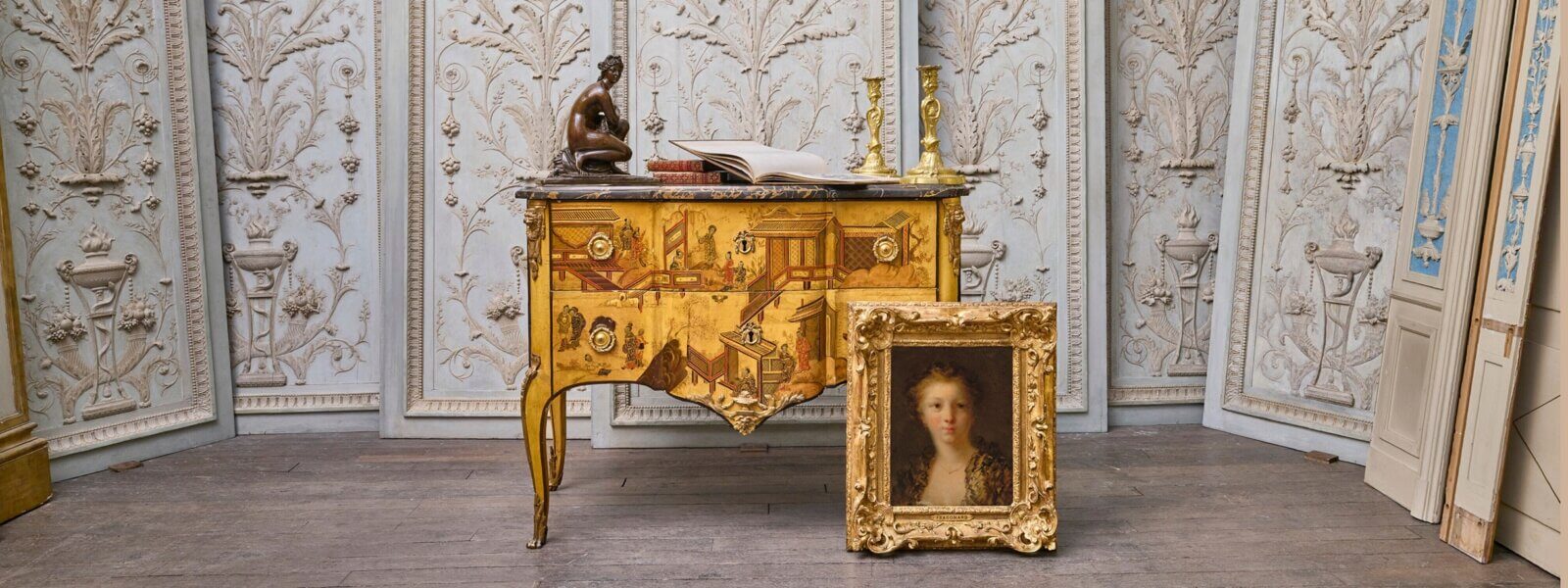
One of the most striking features of the programme is the prominence given to works that have remained outside public view for decades. Jean-Honoré Fragonard’s Tête de jeune femme, estimated at €400,000–600,000, returns to auction after approximately a century, while François Boucher’s recently rediscovered L’Immaculée Conception, estimated at €300,000–500,000, has been connected to a drawing in the Louvre.
Both paintings demonstrate why rediscovery can influence a collector’s assessment of value. Unlike works that circulate regularly between auction houses, they offer relatively rare opportunities to acquire material with limited recent market exposure. However, scarcity alone is insufficient: attribution, conservation and the strength of supporting scholarship remain critical to determining whether an object deserves its estimate.
Provenance extends beyond paintings
Another notable characteristic of Classic Week is the attention given to historical objects whose ownership and origins form an essential part of their identity. A 16th-century drinking vessel by Jakob Fröhlich, formerly owned by King Ferdinand II of Portugal, carries an estimate of €80,000–120,000. Meanwhile, an elaborate Florentine pietra dura panel associated with the Grand Ducal workshops is estimated at €150,000–250,000. These works reflect a collecting category in which technical accomplishment and historical association are inseparable. Their importance also explains Christie’s collaboration with Féau Boiseries, which places selected objects against historic decorative interiors. The presentation positions furniture, sculpture and decorative arts as integral elements of cultural collections rather than secondary categories alongside painting.
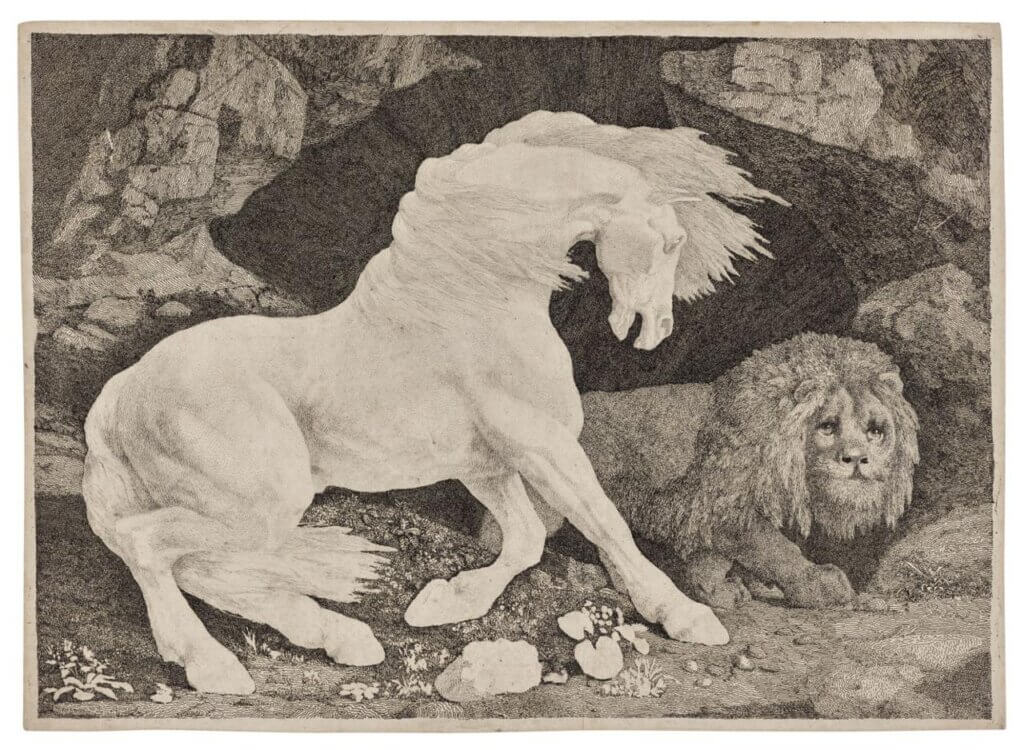
George Stubbs (1724-1806) A Horse affrighted at a Lion
Rare books emerge as a distinct collecting category
The Rare Books and Manuscripts sale adds another dimension to Classic Week, drawing attention to objects whose value depends on historical importance, completeness and preservation. Among the highlights is a 1511 edition of Albrecht Dürer’s The Life of the Virgin, estimated at €70,000–100,000. Unlike individual prints, complete copies of the illustrated series are considerably harder to find. This particular example also has a distinguished provenance, having belonged to French collectors Henri Gallice and Marcel Jeanson.
Another notable offering is a rare complete copy of Avicenna’s Canon of Medicine, printed in Arabic in Rome in 1593. Its exceptional preservation and intact margins make it particularly significant for collectors of early scientific and medical texts. Together, these works illustrate how the market for rare books places premiums on factors that differ from those governing paintings, including edition, completeness and physical condition. For international collectors, the category offers an opportunity to acquire objects that represent major developments in intellectual history rather than artistic achievement alone.
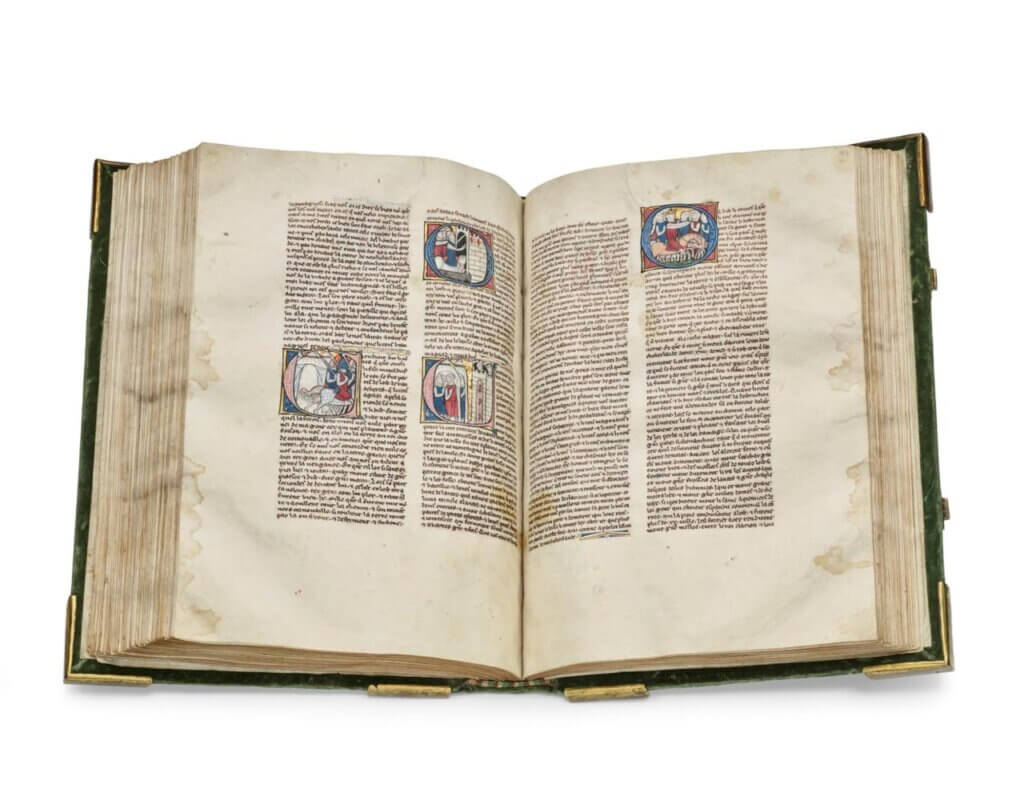
The Master of the Liège Apocalypse The Clermont-Tonnerre Grail, in French, illuminated manuscript on vellum [Metz, c.1290-1310]
What the selection tells international collectors
For Singapore’s internationally active collectors, the most interesting aspect of the Paris programme is the range of specialist opportunities it presents beyond contemporary art. Historical European works require different forms of expertise, with fewer direct market comparisons and greater dependence on condition, provenance and attribution.
The programme does not yet establish whether demand for these categories is strengthening. That will depend on the final prices, sell-through rates and competition for individual lots. What it does demonstrate is how Christie’s is seeking to differentiate its historical offerings through objects with distinctive histories and specialist appeal.
The central question for the market is whether collectors will pay premiums for those qualities. The results of Classic Week will help establish how convincingly historical rarity translates into commercial demand.