
The $100 million question: Who decides what art is worth at Art Basel Paris 2026
At Art Basel Paris, a painting can carry a price tag of $100 million before a single buyer has agreed to pay it. A bronze sculpture made to look like a stack of wine corks can sell in the millions. And a work that changes hands for eight figures may owe as much to its history, provenance and place in the art world as to anything visible on the canvas. The question is not simply what collectors are willing to spend. It is who gets to decide what a work of art is worth in the first place.
The clearest illustration is hanging at the Grand Palais. Nu étendu (Lolotte), a 1917 reclining nude by Amedeo Modigliani, arrived at the fair with an asking price above $100 million. The painting is being offered by Pace Di Donna Schrader Galleries on behalf of a family that has reportedly owned it since 1920. That is an extraordinary price for any work, but the story comes with a complication: the painting was not included in the long-established Ceroni catalogue of Modigliani’s works, although it appears in a new catalogue raisonné compiled by Marc Restellini. In a market where authentication can make or break a multimillion-dollar transaction, that distinction matters. The figure on the price tag is real; a completed sale at that price is not confirmed.
That gap between a price and a sale is where the art market becomes particularly revealing. A gallery can decide what it wants to ask. A collector can decide whether the work is worth that amount to them. But neither decision, on its own, establishes what the market will ultimately bear. The final number emerges from a network of dealers, advisers, auction results, institutional recognition and wealthy buyers whose decisions are rarely made in public.
A price is an argument
In most markets, price is relatively easy to explain. It reflects production costs, supply, demand and the alternatives available to a buyer. Art operates by a different set of rules. Two works by the same artist can command radically different sums, even when they are similar in size or made within a few years of each other. A painting’s importance within an artist’s career, its exhibition history, its condition and the identity of previous owners can all influence its valuation. So can something harder to quantify: whether influential collectors and institutions have decided that the work matters.
The gallery is often the first to make that argument. A dealer chooses which work to bring to a fair, where to position it, what price to quote and which collectors should see it first. The price is not simply a reflection of past transactions. It is also a statement about where the gallery believes the artist belongs in the market. Set it too low and the work may sell quickly, leaving money on the table. Set it too high and the painting can remain unsold, turning a confident valuation into an awkward public signal.
At Art Basel Paris, the difference between asking and selling prices is visible across the fair. A Modigliani nude is offered above $100 million; a Gerhard Richter painting, Rokokotisch (Rococo Table), dated 1965, was reported sold by Hauser & Wirth for approximately $10.5 million. The latter is a completed transaction reported by the gallery, while the former remains an asking price. Both figures generate attention, but they tell us different things about the market. One announces an ambition. The other records a buyer’s willingness to commit.
The people who make a market
Behind the largest transactions is a relatively small circle of galleries, collectors, advisers and institutions. Their influence comes from different sources, and none has complete control.
Established galleries provide market access and continuity. They build relationships with collectors, manage artists’ careers and decide how works enter circulation. For artists with decades-long careers, a gallery’s ability to place a painting in a significant private collection or museum can support demand for future works. The gallery is selling an object, but it is also selling confidence in the artist’s position within art history.
Advisers help buyers navigate a market where public information is incomplete. They compare prices, examine provenance, consult specialists and negotiate with galleries on a client’s behalf. For a collector spending millions, the question is not only whether a work is beautiful or culturally significant. It is whether the price is defensible relative to other works by the artist, whether the documentation is sound and whether the piece is likely to remain desirable if the collector eventually decides to sell.
Museums and curators exert a different kind of influence. An exhibition or acquisition cannot guarantee that an artist’s prices will rise, but institutional recognition can change how a work is understood. It places an artist within a broader narrative and can introduce their work to audiences who might otherwise overlook it. Collectors pay attention to these signals because they suggest that an artist’s significance extends beyond the commercial circuit.
Then there are the buyers themselves. At the top of the market, a purchase can be driven by connoisseurship, competition, personal attachment or the desire to own a work that is unlikely to become available again. A collector may pay a premium for a painting with exceptional provenance or a sculpture that completes a collection. Another may walk away from a work that appears underpriced to everyone else. There is no universal formula for taste, and wealth does not eliminate disagreement.
What the sales at Paris reveal
The early transactions at Art Basel Paris suggest that established names continue to attract substantial spending. Hauser & Wirth reported the sale of Richter’s Rokokotisch (Rococo Table) for around $10.5 million and a Georg Baselitz painting, Der Hirte (The Shepherd), for approximately $10 million. White Cube reported a sale of Julie Mehretu’s Rise of the New Suprematists for about $7.8 million. These are significant sums, but the artists’ reputations have been built over years of exhibitions, critical attention and collecting history. Buyers are not assessing the paintings in a vacuum.
The appeal of an established artist is partly that there is a body of information against which to judge the work. Collectors can study previous sales, compare periods in the artist’s career and consider how museums and critics have treated the practice. That does not make the price predictable. It does make the decision less speculative than buying an artist whose market has barely formed.
Yet even a recognisable name does not guarantee a straightforward valuation. Jeff Koons’s Corks (Couple), a monumental bronze sculpture resembling a stack of wine corks, attracted attention at Gagosian’s stand. The work belongs to an edition of three, and The Art Newspaper reported that all three had sold, with one transaction taking place at the fair. The gallery described the price as being in the seven figures. Here, scarcity is built into the edition, while Koons’s established market and the sculpture’s scale make it difficult to ignore. The work is unusual enough to become a talking point, but its price also rests on a recognisable artist’s track record.
The Modigliani, by contrast, raises a more difficult question. How much of its asking price rests on the painting itself, how much on its rarity and provenance, and how much on the market’s willingness to accept the new catalogue raisonné as an authoritative reference? A price above $100 million places the work among the most ambitious offerings at the fair. It also puts pressure on the claims that support it. At this level, documentation is not a footnote to the sale. It is part of the asset.

The problem with treating art as an investment
The language of investment has become increasingly common around high-value art. Collectors discuss scarcity, liquidity, provenance and long-term demand. Galleries announce major sales; auction houses publish records; advisers compare artists and market segments. The vocabulary can make art appear more measurable than it really is.
But art is an illiquid and opaque market. Private transactions often remain undisclosed, asking prices are not the same as realised prices, and there is no guarantee that a work can be resold quickly or at a profit. Even an artist with an impressive auction record may have works that perform very differently depending on quality, period, condition and provenance. The costs of buying, transporting, insuring, storing and selling a work also affect the economics of ownership.
For a collector, this means that a headline price should be the beginning of the investigation, not the conclusion. The relevant questions are more specific: Is the work important within the artist’s practice? Is its provenance complete? Has it been exhibited or published? How does the asking price compare with genuinely comparable works? Who has assessed its authenticity, and what happens if the market’s consensus changes?
These questions are especially important when a work is presented at a price that attracts global attention. A nine-figure asking price creates a story before a transaction has occurred. It can signal confidence, scarcity and ambition, but it does not prove that a buyer will agree.
So, who decides what art is worth?
Ultimately, no single person does. The gallery proposes a value; advisers test it; collectors accept or reject it; institutions shape the context in which the work is understood; and the market records the result, imperfectly, through transactions that may never become fully public.
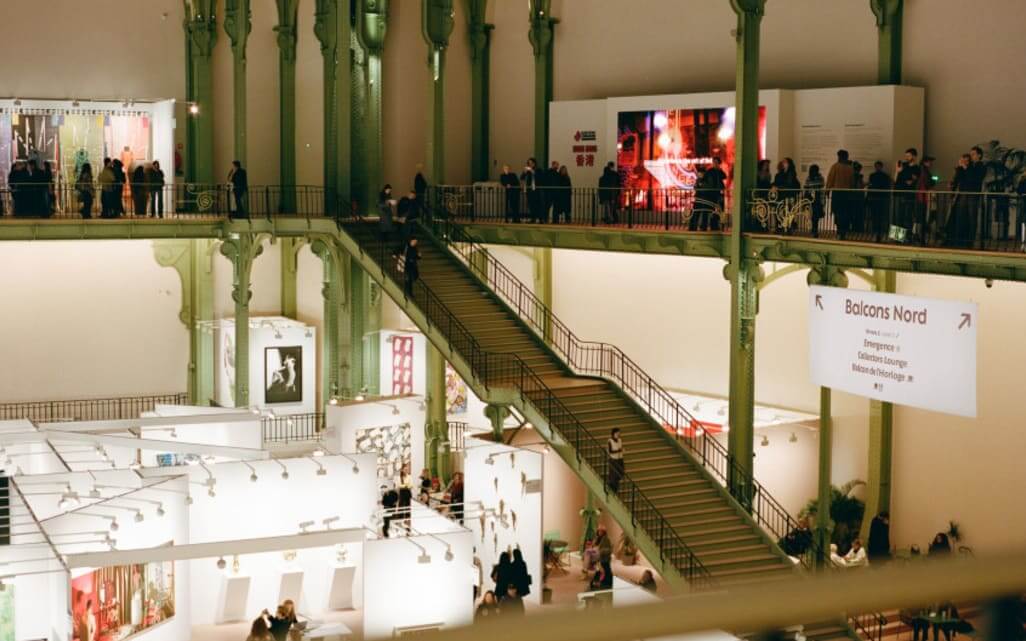
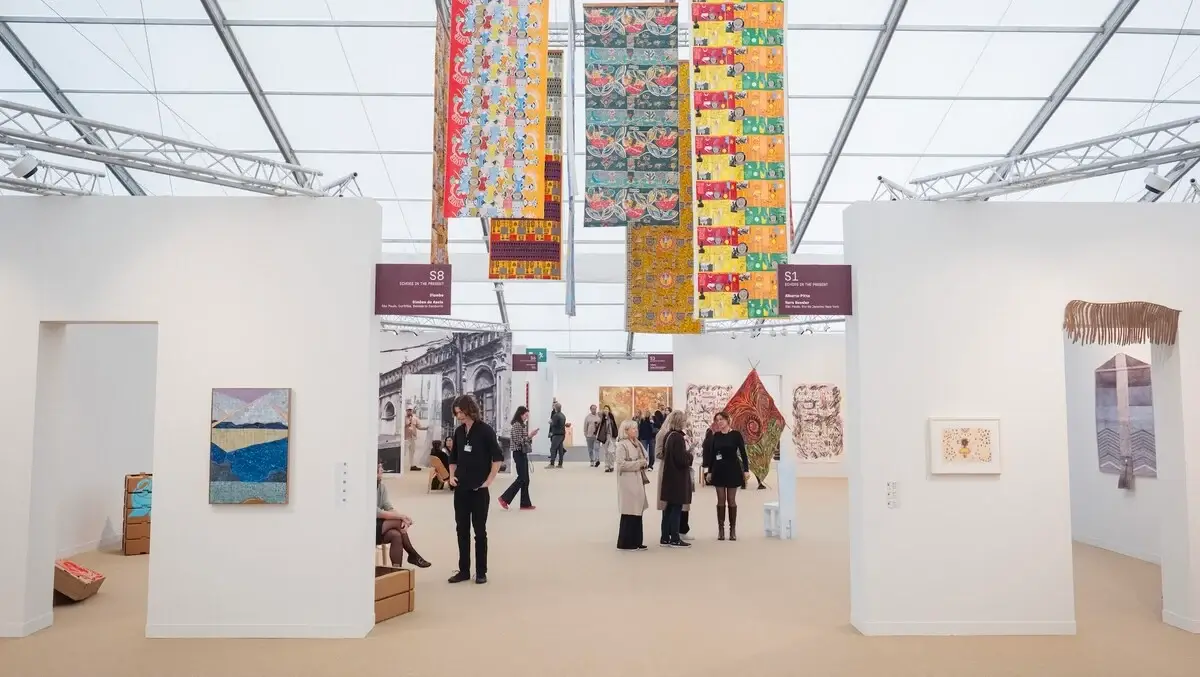
Art Basel Paris concentrates these forces in one place. For a few days, works that usually sit in private collections or behind gallery walls become visible to the people most capable of buying them. The conversations are discreet, the prices are often private and the consequences can extend far beyond the fair itself. A sale can reinforce an artist’s market. A disputed attribution can unsettle it. A work that remains unsold can leave the original asking price hanging in the air.
The $100 million question, then, is not whether a painting can be labelled worth $100 million. Anyone can put that figure on a price list. The harder question is whether the evidence, the market and a willing buyer can bring those three numbers into alignment. Until they do, the price remains a proposition—and at Art Basel Paris, propositions can be almost as powerful as sales.