
PAD London 2026: the art of collecting beyond the canvas
At PAD London, historical craftsmanship met contemporary design in a fair that treats furniture, sculpture and decorative objects as cultural assets in their own right. For Singapore’s increasingly international collector community, the appeal lies in a more considered approach to luxury — one shaped by authorship, rarity and the quiet authority of exceptional objects.
Where design becomes collectible
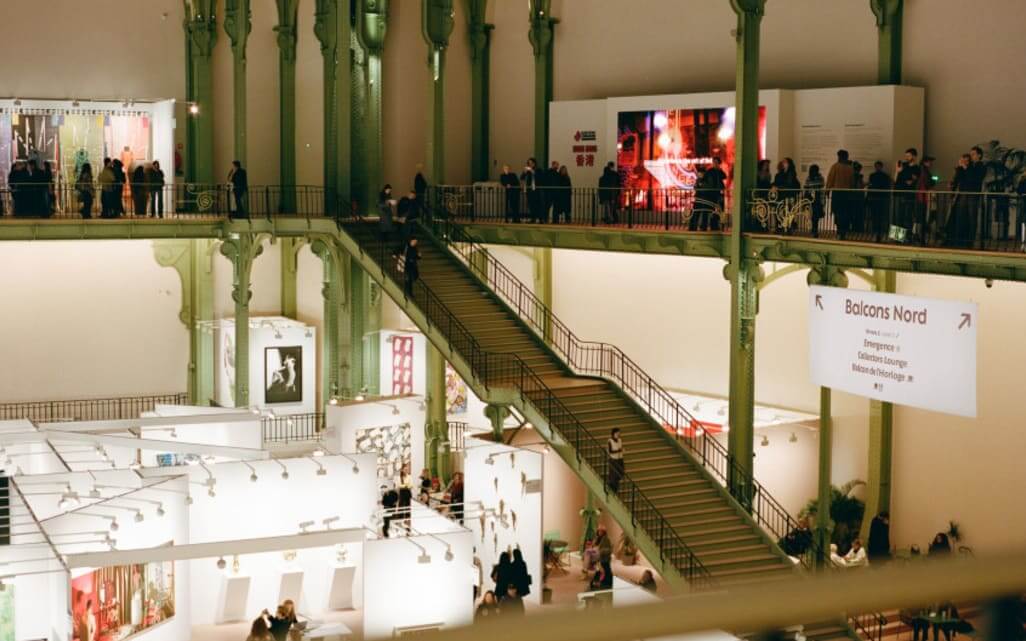
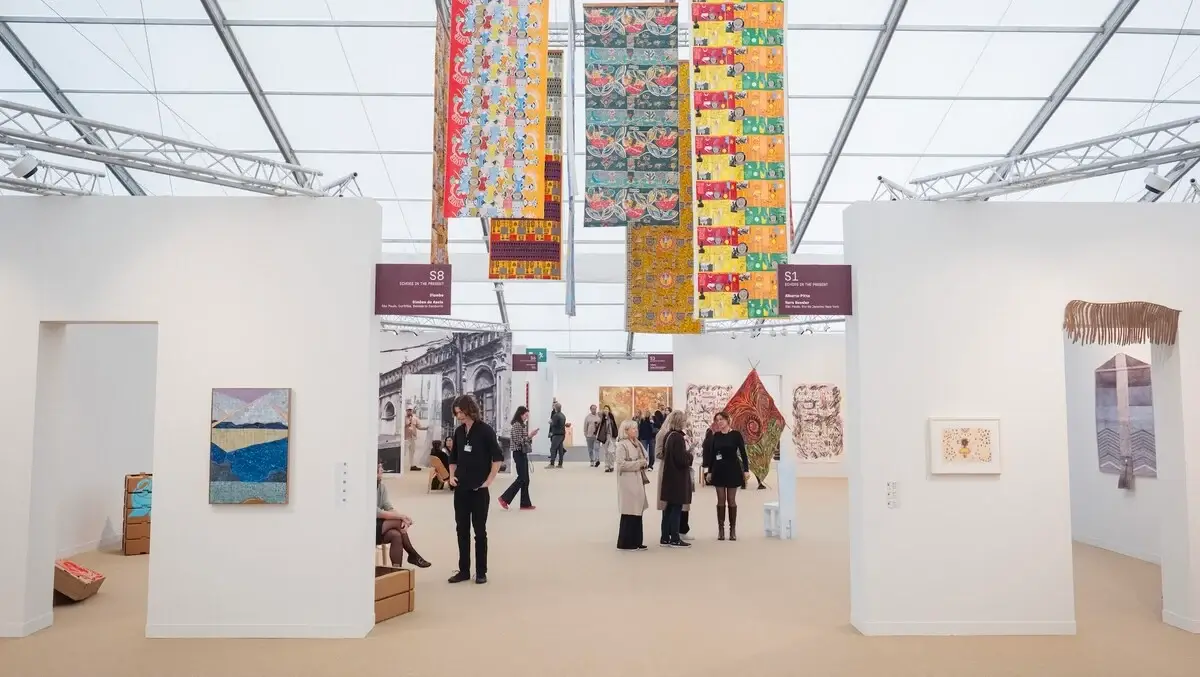
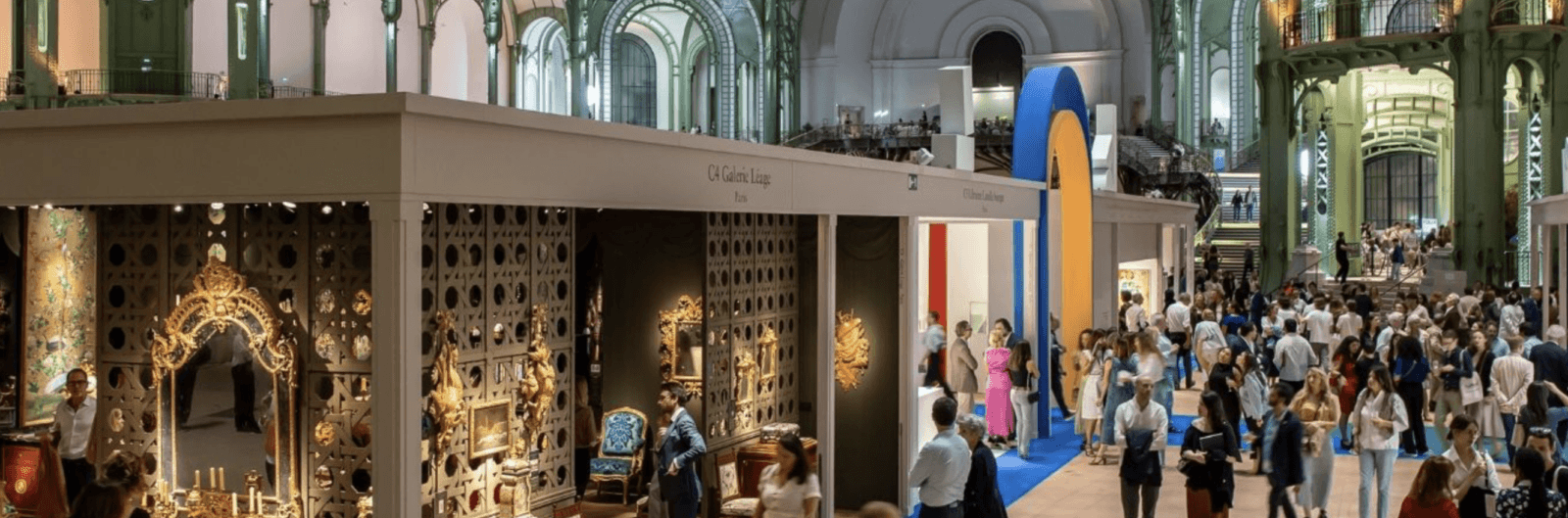
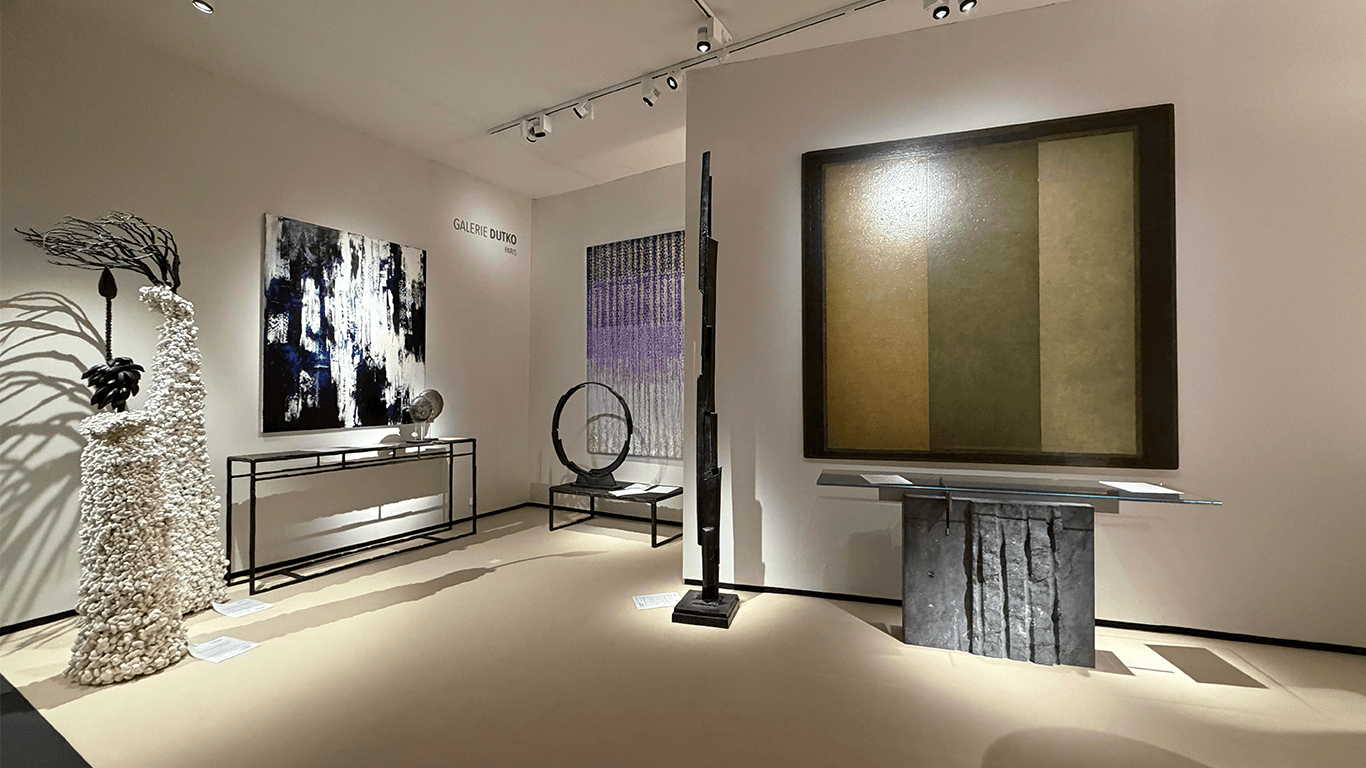
From 13 to 18 October 2026, Berkeley Square once again hosted PAD London, the fair founded in 2007 by Parisian antique dealer Patrick Perrin. Dedicated exclusively to historical and contemporary design, PAD occupies a distinctive position in the international collecting calendar, bringing together galleries whose presentations blur the boundaries between furniture, sculpture and fine art. The premise is less about furnishing a room than establishing a point of view. A sculptural chair, an intricately worked cabinet or a light installation can hold its own as an artistic statement, while remaining part of a lived environment. At PAD, objects are presented not simply for their utility, but for the ideas, techniques and histories embedded within them.
This approach reflects a broader shift in the way affluent collectors curate their surroundings. As contemporary interiors move away from uniform luxury towards more individual expressions of taste, collectible design offers an alternative to recognisable status symbols. Its appeal lies in the specificity of the object: the hand behind it, the material chosen, the process involved and the context that gives it meaning.
The new language of craftsmanship
One of the defining pleasures of PAD is the encounter between historical sensibilities and contemporary experimentation. Rather than isolating design within a particular period, the fair allows contrasting materials, techniques and visual languages to coexist.
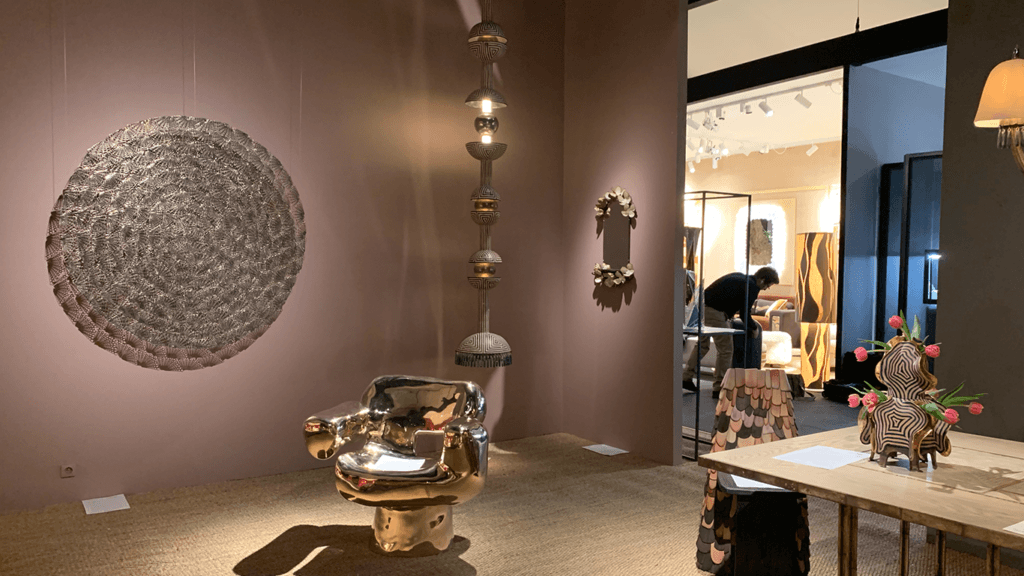
At the 2026 edition, Rademakers Gallery presented Overgrown, an exploration of the natural world through textiles, ceramics, sculpture and collectible design. Among the works listed in its presentation were Simone Post’s Highland Fallsand Highland Coast, each priced at €9,500, alongside Diederik Schneemann’s Paintings Small Cabinet, listed at €35,000. Tiemen Harder’s Blossom Chandelier #2 was listed at €15,000. These figures provide a useful snapshot of the asking prices attached to individual works, rather than a measure of realised market value. More interesting, perhaps, is the creative territory they represent: the translation of organic forms and traditional making techniques into objects that occupy a space between functional design and contemporary art.
A different sensibility emerged in Galerie Mélissa Paul’s Cosmic Impulse, which explored cosmic phenomena, impacts and fractures through furniture and functional objects. Such presentations illustrate how contemporary designers are extending the vocabulary of collectible design beyond conventional notions of ornament or craftsmanship. The object becomes a physical expression of an idea, with its material presence inseparable from its conceptual intent. For collectors, this creates a richer field of enquiry than aesthetics alone. Understanding a designer’s wider practice, the significance of a particular series and the relationship between an individual work and the artist’s development can help distinguish a compelling acquisition from a merely fashionable one.
Taste, provenance and the price of rarity
The economics of collectible design are closely tied to the qualities that make each object distinctive. Authorship, edition size, provenance, condition and the reputation of the maker all influence how a work is perceived. Yet the market remains highly individual, with demand varying considerably between designers, categories and periods. An asking price is only one part of the picture. Unlike publicly traded assets, many collectible design objects have limited comparable sales data, and resale can depend on finding a buyer whose interests align with the work. Storage, specialist transport, insurance, conservation and transaction fees also affect the overall cost of ownership.
A considered acquisition therefore begins with documentation. Collectors should establish whether a piece is unique or editioned, confirm its provenance, request condition reports and understand any restoration history. Where appropriate, independent expertise can help assess attribution and authenticity. These details may appear secondary when an object is first encountered in a beautifully curated gallery, but they become central to its long-term stewardship. The most persuasive reason to acquire a work is not an assumed promise of appreciation. It is a conviction that the object merits its place in a collection — supported by sufficient knowledge of its maker, context and market to make that conviction informed rather than impulsive.
A natural fit for Singapore’s collectors
Singapore’s position as an international wealth centre creates a distinctive environment for collecting. Private wealth, global mobility and access to international galleries bring together buyers whose interests span contemporary art, historical objects, architecture and design. For this audience, a collection can be both deeply personal and part of a wider family legacy. PAD London offers a concentrated introduction to galleries and designers operating across these fields. It also provides a useful reminder that collecting is an international practice, shaped by relationships with dealers, curators, artists and fellow collectors as much as by individual acquisitions.
Bringing a work from London into a Singapore residence, however, requires more than selecting the right object. Shipping, transit insurance, customs requirements and the appropriate environmental conditions should be considered before purchase. Wood, textiles and other sensitive materials can respond to humidity, temperature changes and direct sunlight, making professional installation and conservation advice particularly relevant in a tropical climate.
For family offices managing collections alongside other assets, clear records of ownership, valuations, insurance and conservation history can also support long-term planning. The administrative framework may be discreet, but it is part of what allows a collection to move confidently between homes, generations and jurisdictions.
The value of a personal point of view
What distinguishes collectible design at its best is its resistance to a single definition of luxury. A historically significant object may carry the authority of age and provenance; a contemporary work may offer a more radical interpretation of material or form. Neither category guarantees financial performance, and neither needs to be reduced to it.
For Singapore’s next generation of collectors, PAD London suggests a more nuanced way forward: one in which expertise develops alongside taste, and acquisition follows genuine curiosity rather than the pressure to own what is already widely recognised. The result is a collection that reveals something about its owner without relying on conspicuous display. Its coherence emerges through the relationships between objects, the stories they carry and the decisions that brought them together. In a market where luxury is increasingly defined by discernment, that may be the most enduring distinction of all.