
Galerie Sultana: why the future of collecting may lie beyond the white cube
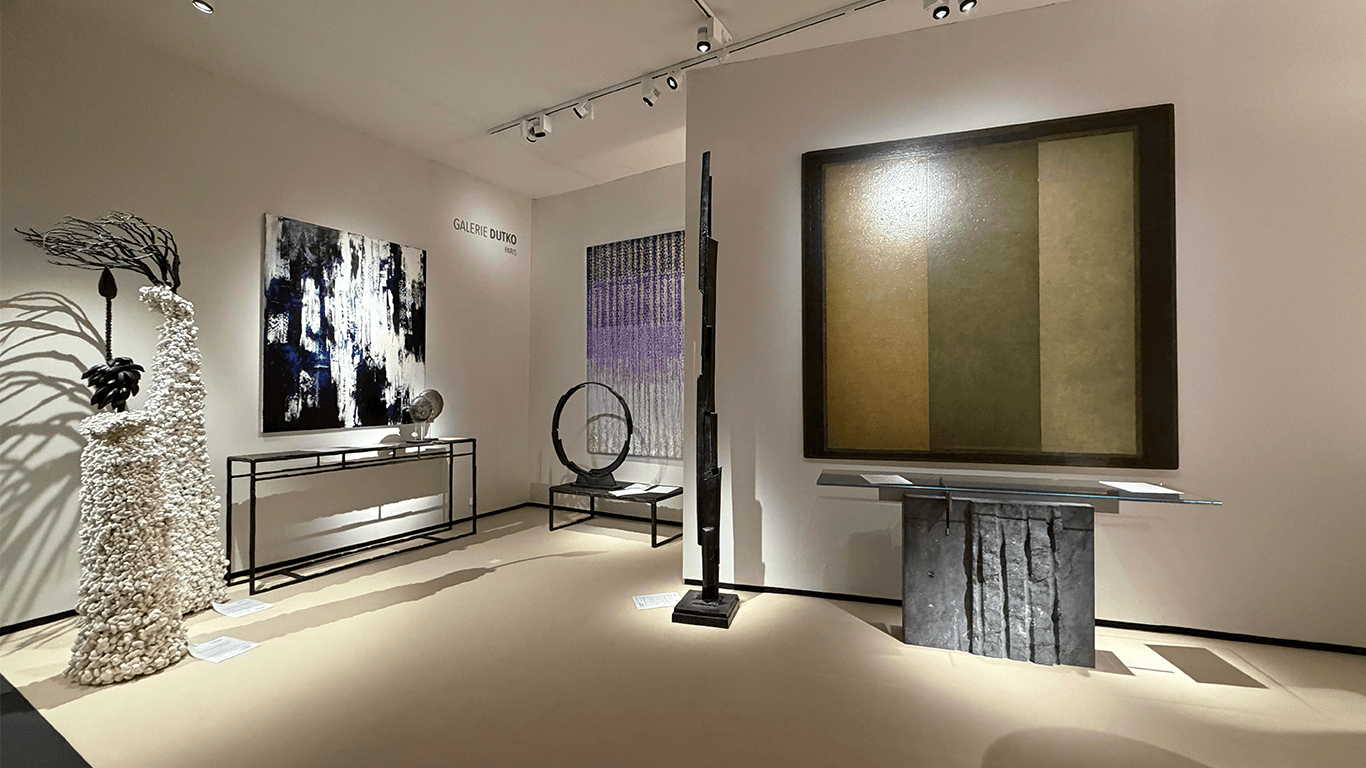
The contemporary art market has become increasingly international, yet the foundations of a successful gallery remain deeply personal. Choosing which artists to represent, deciding how their work should be presented and introducing them to audiences across different cultures require a balance between artistic conviction and commercial reality. Guillaume Sultana has spent sixteen years navigating these questions since founding Galerie Sultana in Paris in 2010. Rather than building his programme around a recognisable aesthetic or a particular artistic movement, he has pursued a more independent approach, prioritising experimentation, social engagement and works that resist immediate interpretation. Speaking exclusively to GEMVEST, Sultana reflects on the decisions behind his gallery’s identity, the changing responsibilities of art dealers and his growing interest in moving beyond the traditional exhibition model.
Artistic independence as a curatorial philosophy
For Sultana, the identity of a gallery cannot remain entirely fixed. Sixteen years of working with artists, collectors and institutions have influenced his interests, while shifts in the wider art world have required him to reconsider how the programme develops. His objective is to maintain a recognisable curatorial perspective without allowing it to become restrictive. “We have to adapt the program and push boundaries so we don’t get stuck in categories, while still maintaining a consistent foundation,” he explains. “I like to showcase a wide range of artists who are very different from one another and to try to maintain a lot of freedom—which I do through group shows or solo exhibitions in the gallery’s basement space.”
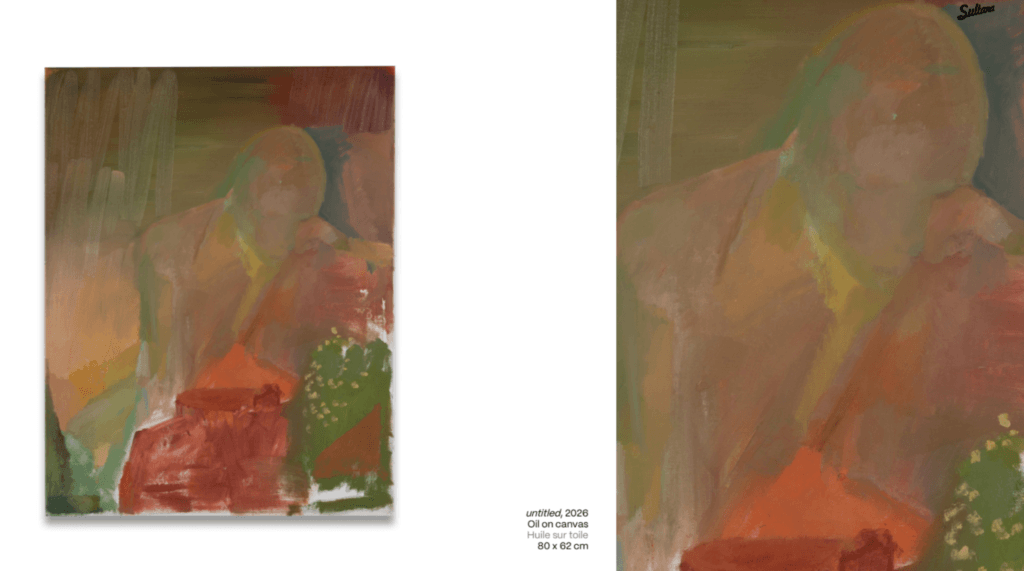
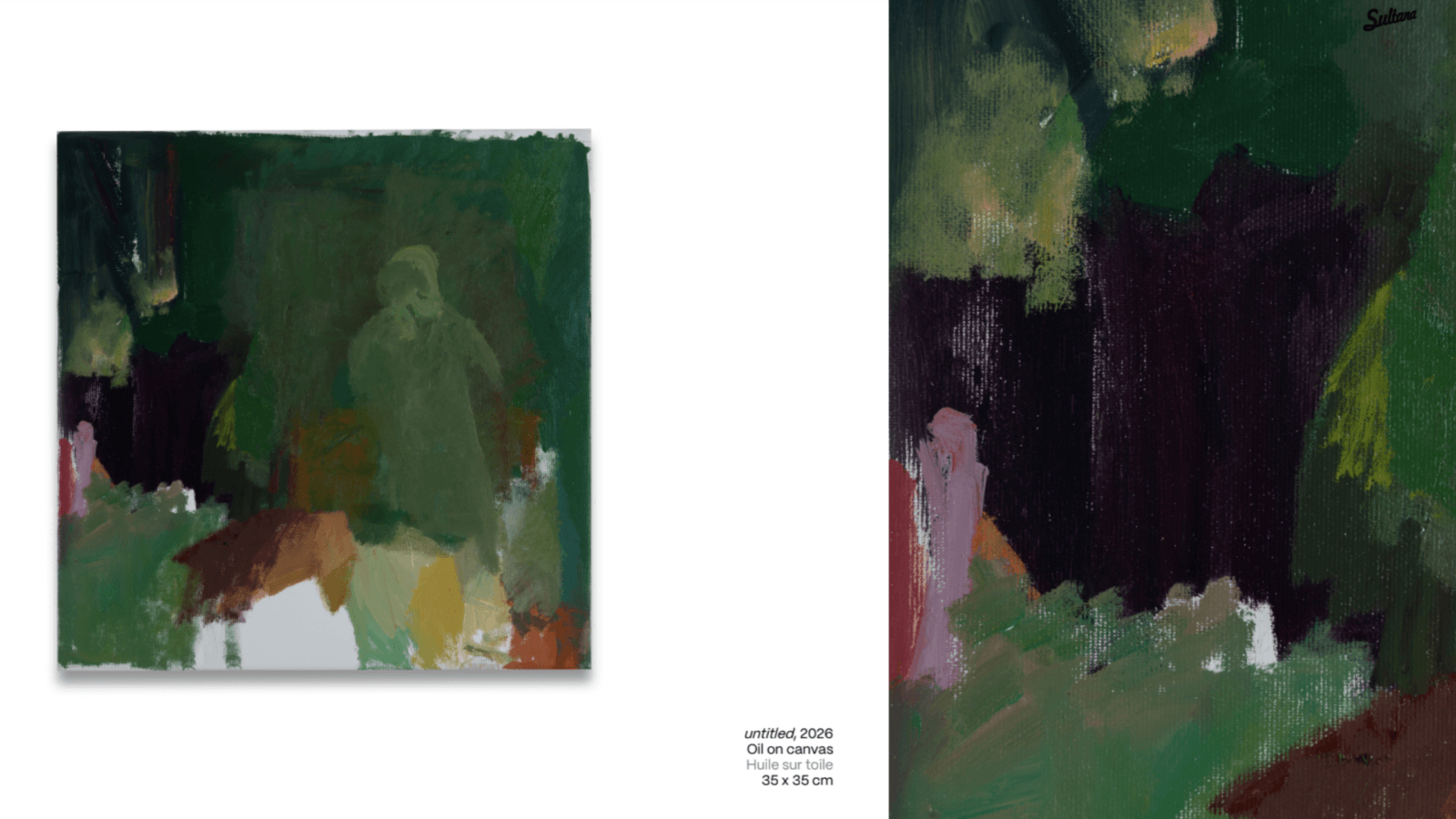
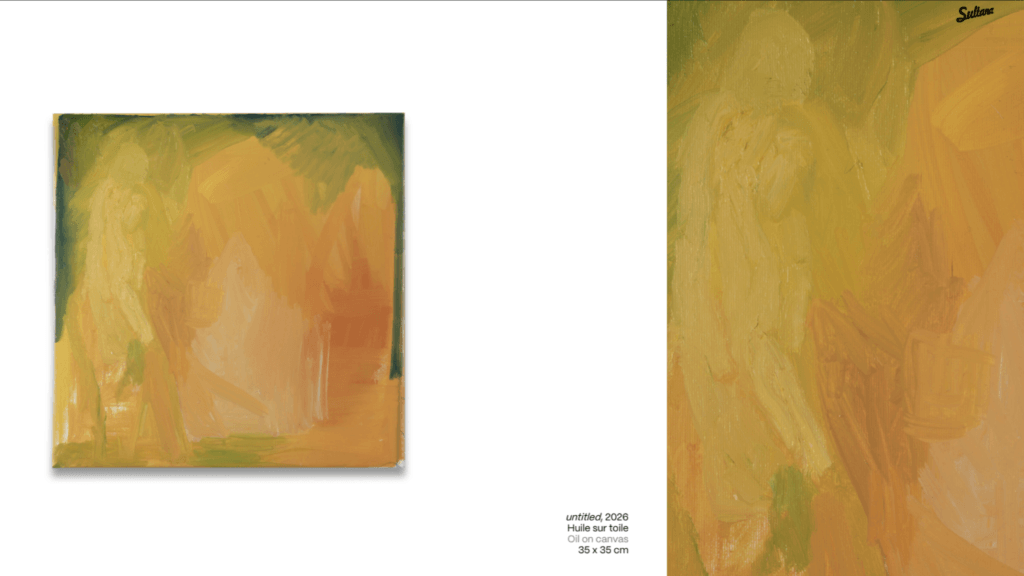
That openness is particularly evident in his approach to selecting artists. Rather than searching for work that fits an established commercial category, Sultana is drawn to artistic practices that combine formal experimentation with intellectual and emotional depth. “I love being surprised by a work of art—not understanding it at first glance, feeling unsettled and challenged, yet wanting to return to it,” he says. “I like to seek out artists who aren’t immediately obvious but who offer something intellectually stimulating. I love learning from a work of art or an artist.” For collectors, his perspective challenges the assumption that immediate accessibility should be a measure of a work’s importance. A piece that initially appears difficult may reveal its significance through sustained engagement, particularly when it addresses questions that extend beyond aesthetics.
Social and political engagement is central to this philosophy. Sultana believes galleries have a responsibility to give visibility to artists examining identity, contemporary society and the political conditions shaping their lives. “It is also a gallery’s duty to champion projects that are meaningful and whose content resonates with the contemporary era,” he explains. “We convey the artists’ messages and thoughts; they entrust them to us, in a sense, and it becomes our responsibility to share them.” This understanding of representation extends beyond selling individual works: it positions the gallery as an intermediary responsible for communicating the ideas and intentions behind an artist’s practice.
The challenge of building an international presence
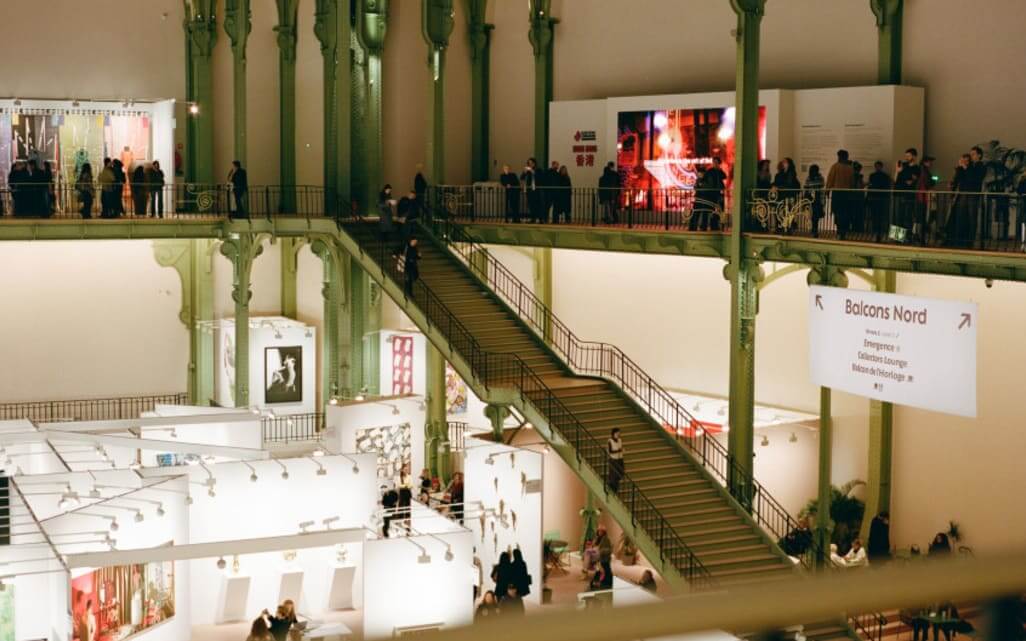
As the contemporary art market has expanded geographically, galleries have gained access to new audiences while facing increasingly complex demands. International fairs, partnerships and institutional relationships have become important mechanisms for introducing artists to different collecting communities. For independent galleries, however, establishing a meaningful presence across multiple markets requires resources and cultural knowledge that cannot easily be developed everywhere at once.
“The art market has become international and highly global. It’s almost impossible to cover every geographic region, which is why it’s so important to collaborate with other galleries,” Sultana observes. “To try to maintain a global presence, we also participate extensively in international art fairs.” His approach highlights the importance of professional networks in an industry where an artist’s career may develop through exhibitions, institutional recognition and relationships established across several countries.
Yet international exposure introduces another consideration: artistic meaning does not necessarily travel unchanged. Sultana notes that different cultural traditions and social circumstances can affect which artists are presented and how their works are understood. “Certain artists do not have the same impact in different countries because their messages may not be understood or appreciated, given that the issues at stake are entirely different,” he explains. For Singapore-based collectors engaging with European galleries, this observation is particularly relevant. International recognition can make an artist more visible, but understanding a practice still requires attention to its original cultural context and the different interpretations it may encounter abroad.
Within the gallery itself, maintaining coherence across diverse artistic practices is another challenge. Sultana describes the process as highly personal, shaped by ongoing conversations with artists rather than a rigid curatorial formula. He also works with independent curators and writers, whose theoretical expertise can introduce new interpretations and professional connections. “It’s important for me to surround myself with or rely on curators because it broadens and enriches the exhibition’s content, brings a young artist into contact with professionals, and fosters new connections,” he says. Such relationships demonstrate how a gallery can contribute to an artist’s development beyond its immediate commercial activity.
Beyond the white cube: rethinking how art is experienced
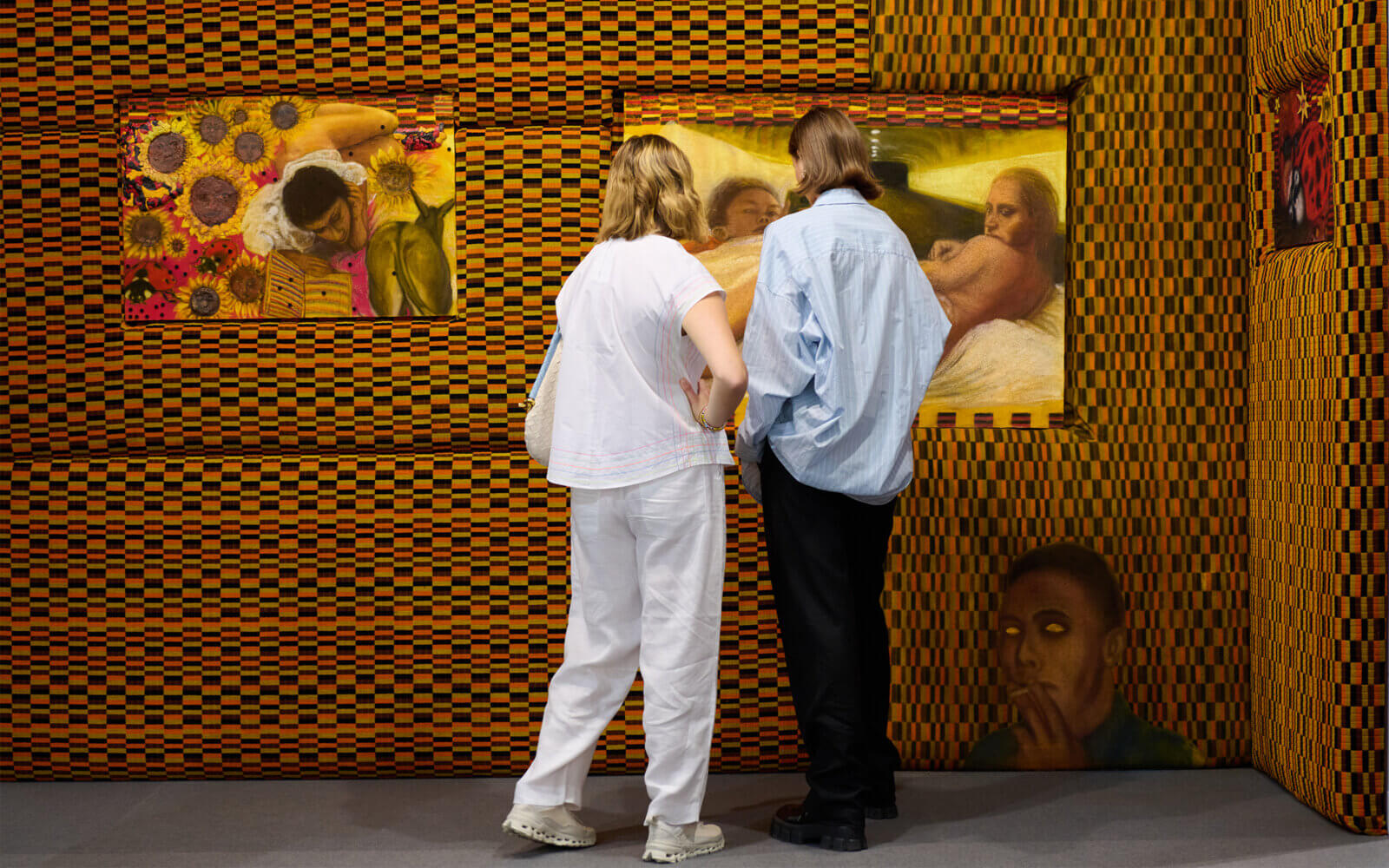
Despite the expansion of online platforms, Sultana remains convinced that physical encounters with artworks are essential. Digital presentation can introduce artists to international audiences, but it cannot fully reproduce the relationship between an artwork, the exhibition space and the viewer. “All too often, we forget to really look at a work of art and take the time to engage with it in a gallery or museum,” he reflects. “Seeing a video installation with sound and light has a completely different effect than viewing it online, for example.” He also emphasises that a carefully developed exhibition creates relationships between individual works, allowing visitors to experience a broader narrative rather than isolated objects.
This interest in alternative forms of presentation inspired Sultana Summer Set in Arles, conceived as a residency space where artists can develop and present work outside the conventional white-walled gallery environment. The project offers a different context for artistic production and exchange, reflecting Sultana’s desire to reconsider the relationship between artists, exhibition spaces and audiences. His next ambition extends this experimentation further: “I want to explore new ways of exhibiting art—a different kind of gallery—because the ‘white cube’ model we’ve been familiar with for decades is starting to lose some of its appeal today.”
For collectors and cultural entrepreneurs, Sultana’s experience reveals an important distinction between a gallery’s commercial visibility and the deeper work of building an artistic programme. International participation can broaden access to collectors, but long-term cultural relevance also depends on the quality of artistic relationships, curatorial decisions and the willingness to support practices that may not offer immediate commercial certainty. Galerie Sultana’s approach suggests that the future of independent galleries may be shaped as much by how they encourage people to experience art as by the works they bring to market.