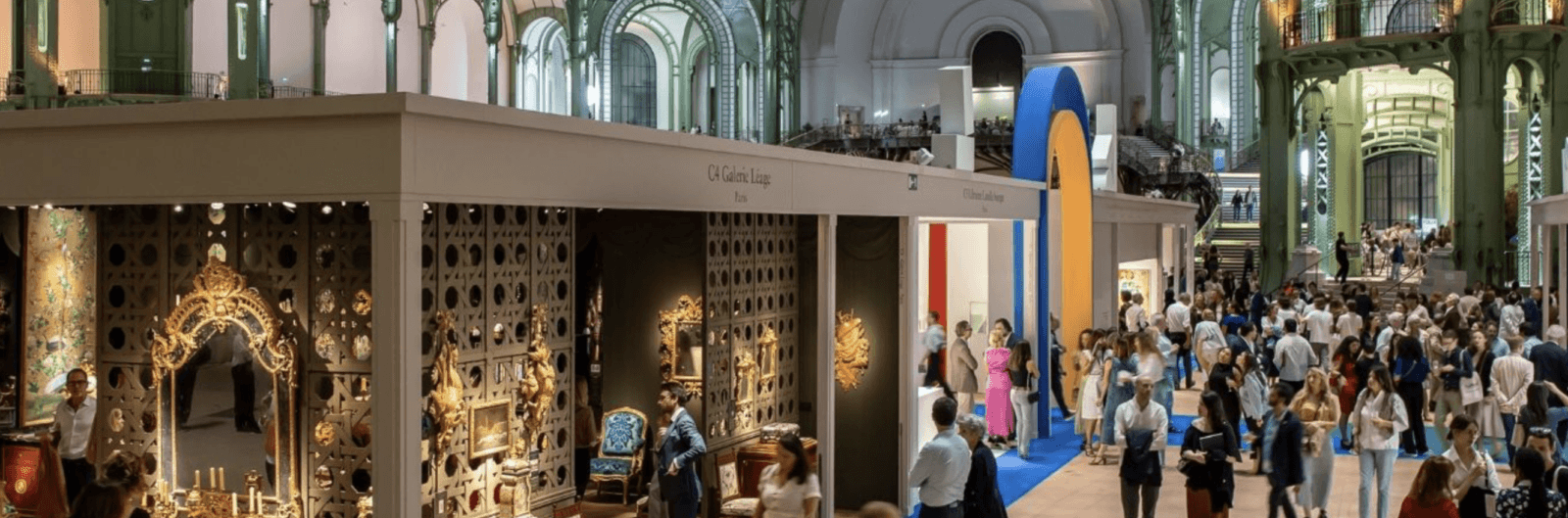

Under the dome: what to know about Fine Arts Paris 2026
From 19 to 23 September, the Grand Palais opens its doors to around a hundred galleries for Fine Arts Paris — the fair formerly known as FAB Paris, and one of the more serious dates on the European art calendar for anyone tracking where classic and museum-grade collecting is heading.
A fair built around permanence, not trend
Fine Arts Paris positions itself deliberately against the contemporary-art fair circuit’s usual rhythm of hype and turnover. Its own framing for 2026 is “all the art in the world,” spanning everything from Antiquity to the present, and roughly a hundred international exhibitors will take up residence under the nave of the Grand Palais across more than twenty specialties — old masters, decorative arts, jewellery, textiles, design. For a Singapore-based collector weighing where a genuinely long-horizon acquisition might come from, this is a fair built around exactly that kind of asset: works whose value case rests on scholarship and provenance rather than momentum.
The venue itself carries weight. The Grand Palais, recently restored, remains one of the most significant exhibition spaces in Europe, and hosting under its nave situates the fair alongside the city’s most prestigious cultural programming rather than in a generic convention hall.
The names on the exhibitor list
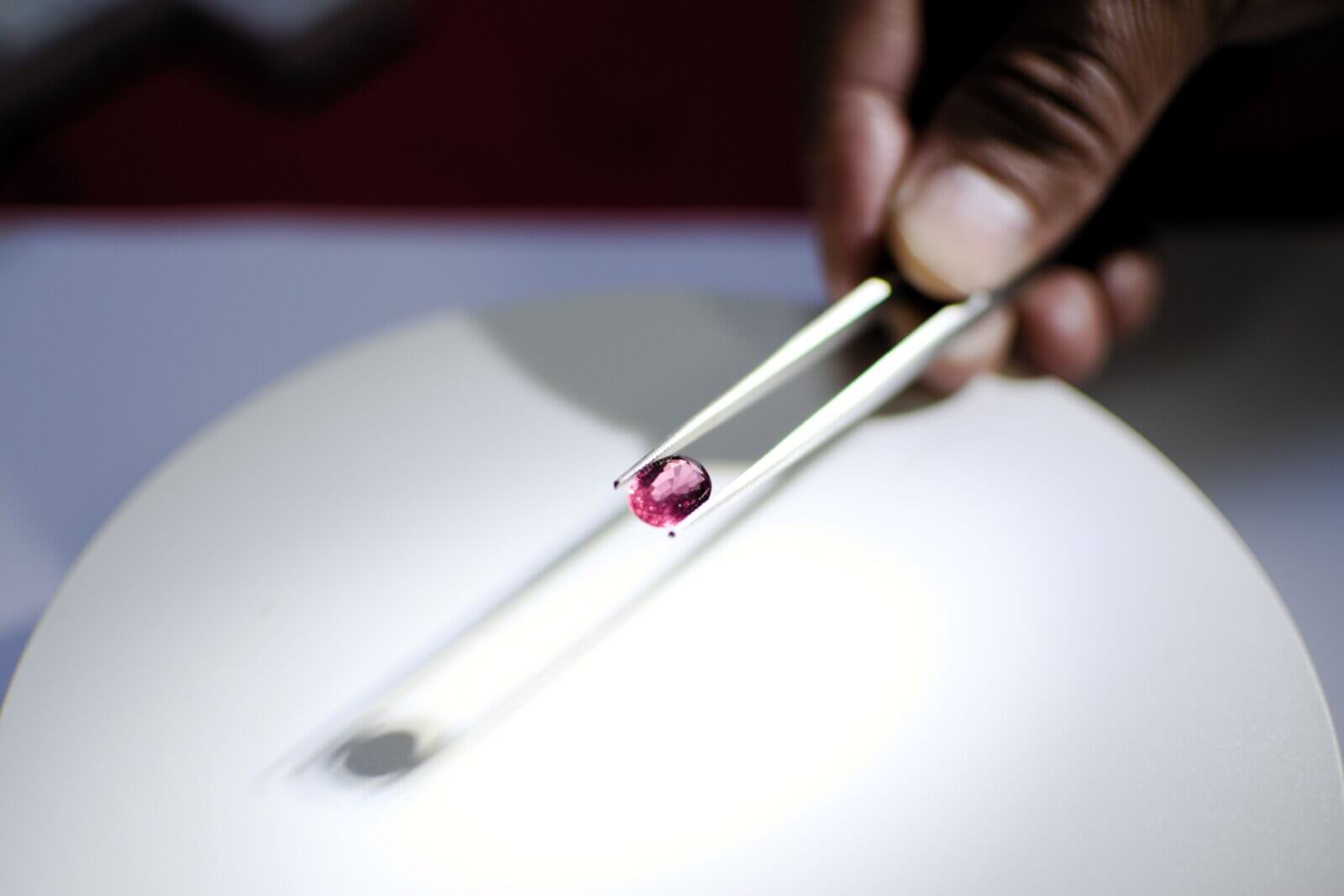
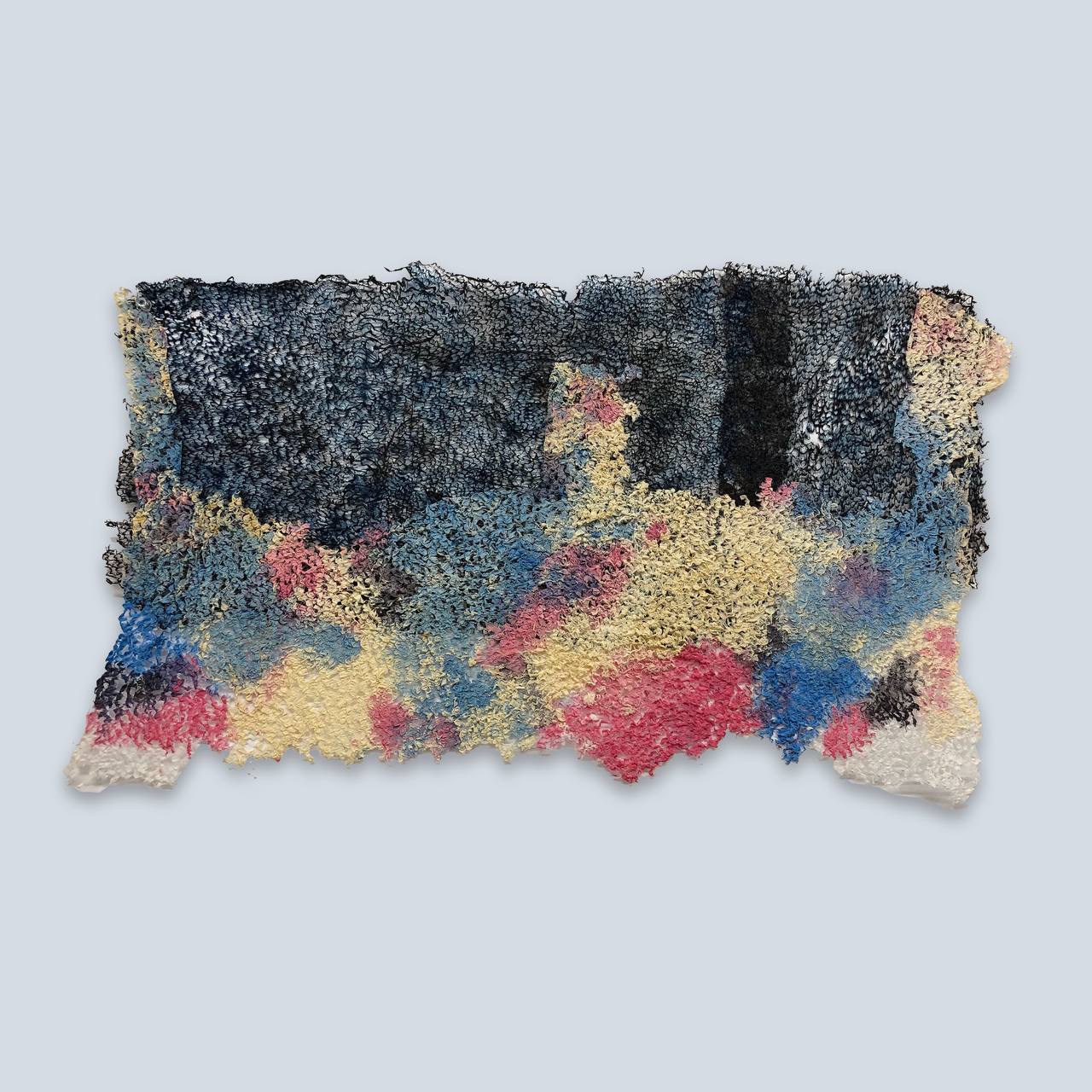
The roster reads like a working map of the Paris old masters and decorative arts trade: Didier Aaron, Applicat-Prazan, Galerie de Bayser, Charles Beddington, Galerie Berès, Brame & Lorenceau, and Brimo de Laroussilhe all feature among the confirmed exhibitors — established houses whose inventories typically anchor major museum loan exhibitions as much as private sales. Alongside these established names, the fair is launching a new “New Horizons” section this year, featuring roughly ten dealers either new to the trade or exhibiting at a fair of this scale for the first time, working across jewellery, glassware and textiles — a deliberate mechanism for injecting fresh material into a category that can otherwise feel closed to newcomers.
Where the fair intersects with capital, not just connoisseurship
What distinguishes this edition from a typical art fair preview is how directly its programming addresses collecting as an investment discipline rather than pure aesthetic pursuit. AXA, the fair’s official partner, is hosting a talk on Tuesday 22 September titled “Building a collection: a story of passion, emotion and investment,” bringing together three named specialists — Daphné de Marolles, Clarisse Hermelin and Alix Powis — to walk through the practical stages of building a serious collection. For a family office audience thinking about art as a genuine asset class rather than décor, sessions like this are often more useful than the fair floor itself.
The fair has also reaffirmed its relationship with interior design and decoration this year, once again inviting a panel of established decorators to select their personal “favourites” among the works on display — a curatorial device that functions as a soft signal to buyers about which pieces are resonating with taste-makers before broader market consensus forms.
Culture and provenance, staged deliberately
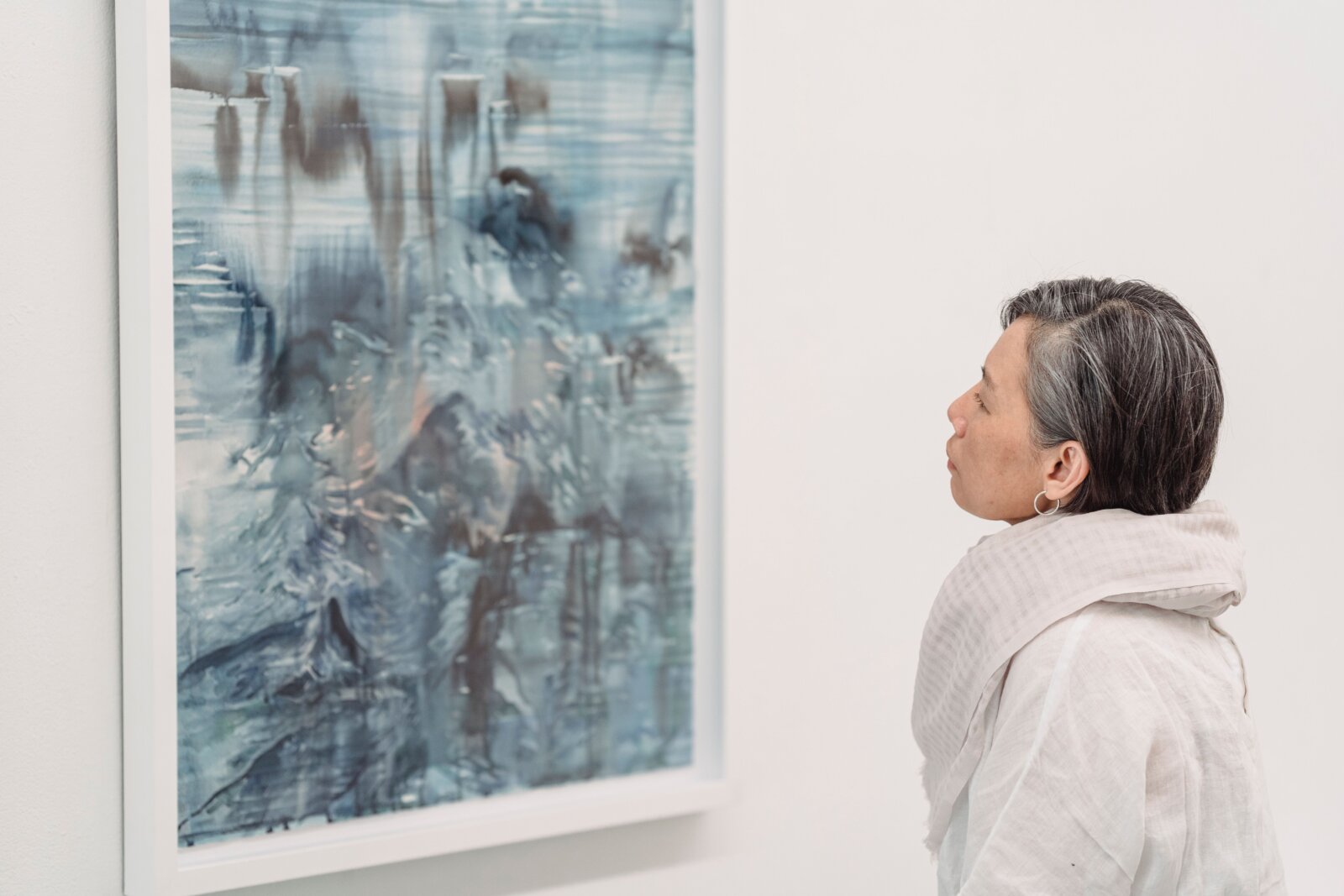
Beyond the commercial programme, this year’s edition includes a new collaboration between artist Fabienne Verdier and the storied Manufacture nationale de Sèvres, supported by AXA — a pairing of contemporary practice with one of France’s most historically significant ceramics institutions. For the fourth consecutive year, musicians from the Renaud Capuçon Foundation will perform at the fair, with a concert scheduled for Saturday 19 September in the Grand Palais’s nave.
The Fondation pour la Sauvegarde de l’Art Français is also using the fair as a platform, exhibiting three restored seventeenth-century works as part of its ongoing “Le Plus Grand Musée de France” campaign — a reminder that Fine Arts Paris positions itself as closely aligned with conservation and heritage as with the commercial trade in objects.
Why this matters beyond Paris
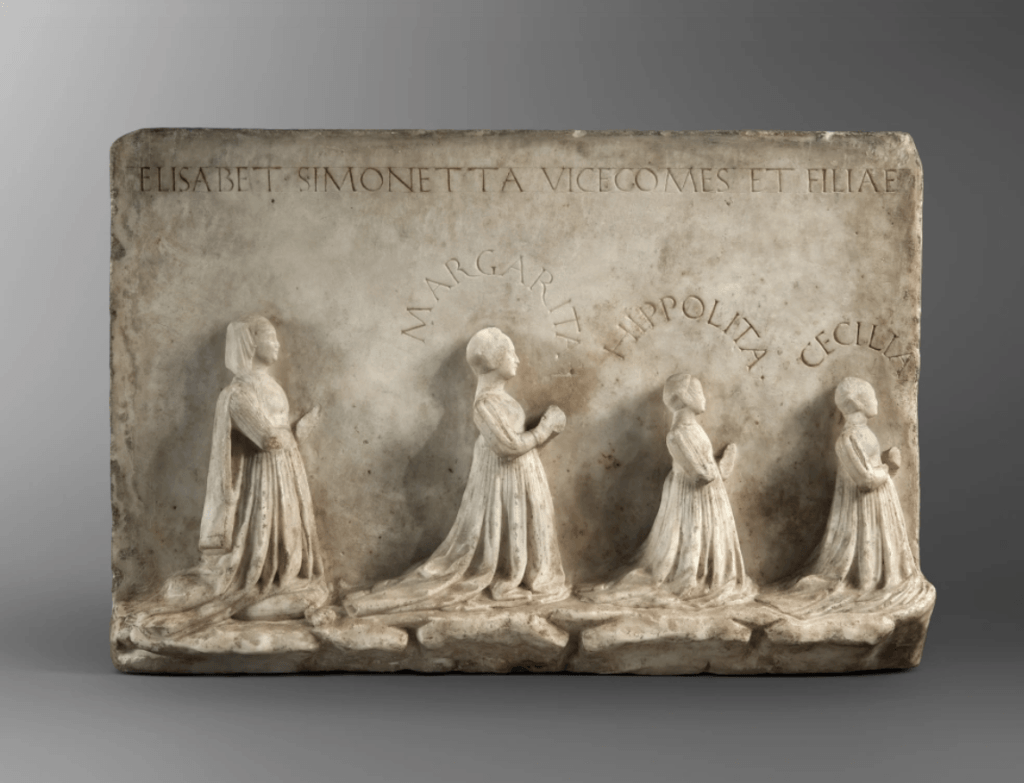
For Singapore’s collector base, an event like Fine Arts Paris functions less as a shopping destination and more as a calibration point — a chance to see where established European dealers are pricing quality, which categories are attracting renewed institutional attention, and how conservation and provenance are being foregrounded as value drivers rather than technical footnotes. As Singapore continues building out its own art infrastructure — from freeport storage to the growing Art SG fair — events of this calibre in Paris remain a useful reference for what serious, non-speculative collecting looks like when it’s been refined over generations rather than built in the past decade.