
IZZA Marrakech: where cultural heritage becomes a new language of luxury
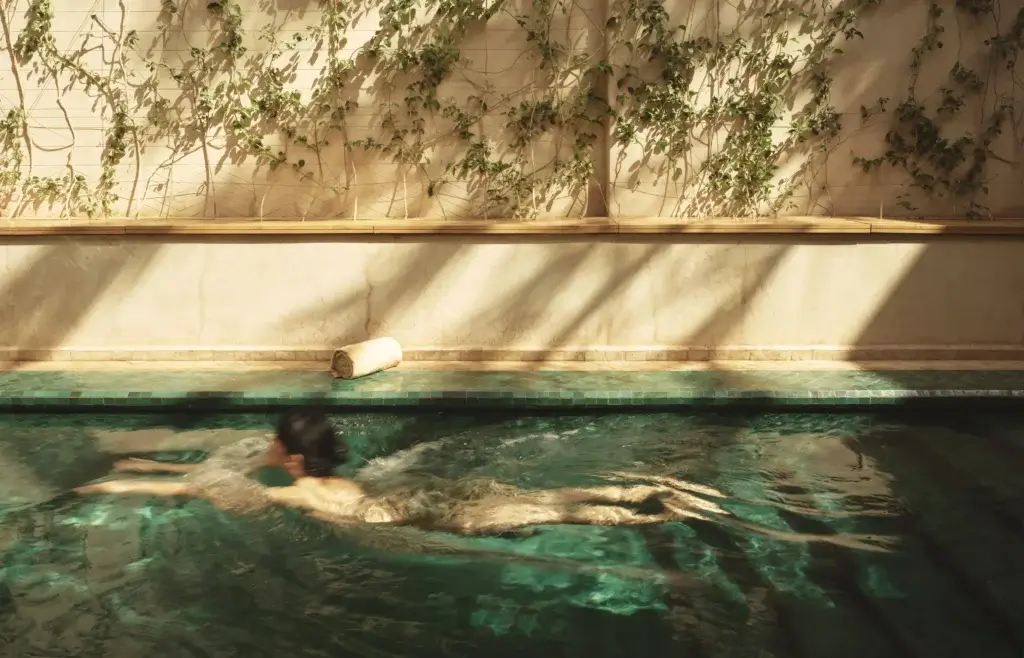
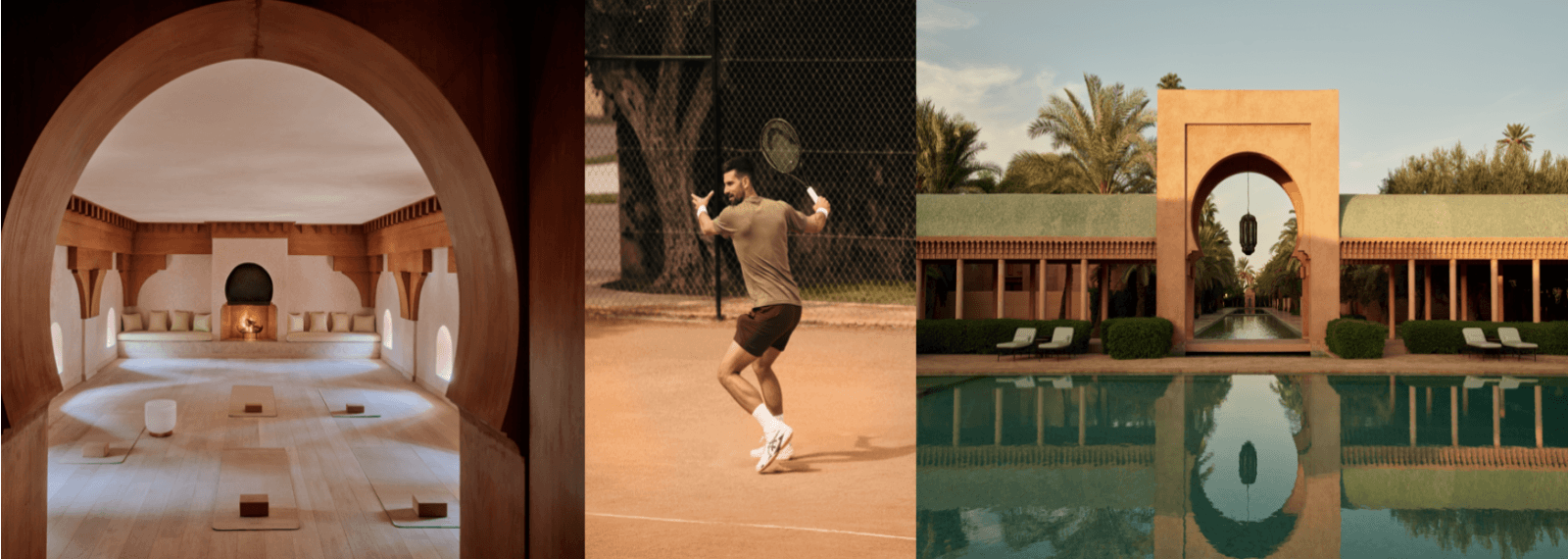
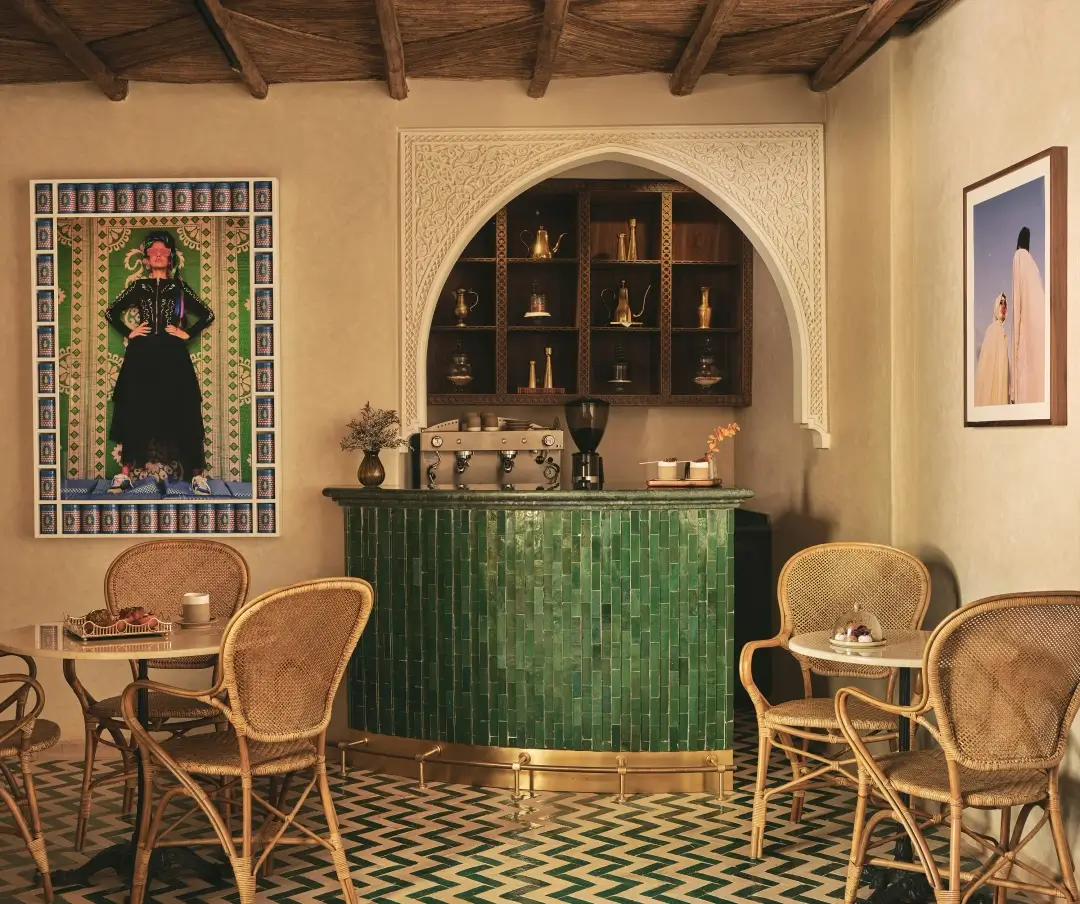
In Marrakech’s historic Medina, IZZA brings together seven interconnected riads, 14 individually designed rooms and a collection of more than 300 contemporary and digital artworks. The property represents a distinctive approach to boutique hospitality, where architecture, artistic expression and cultural heritage shape the guest experience. Speaking exclusively to GEMVEST, creative director Aicha Benazzouz reveals the thinking behind this concept and explains why a hotel’s cultural identity can become one of its most valuable long-term assets.
Preserving heritage without turning it into a museum
Developing a contemporary hotel within seven historic riads presented a fundamental challenge: retaining the individuality of the buildings while creating a coherent hospitality experience. Rather than imposing a uniform design language, IZZA approached the restoration as an opportunity to preserve the architectural identity of each space while adapting it to modern requirements.
“The starting point was to respect the soul of each riad rather than impose a uniform hotel concept,” Benazzouz explains. “Heritage is not something to freeze in time; it should remain alive, functional and relevant.”
This philosophy is also part of IZZA’s business model. Historic architecture requires ongoing maintenance, specialist craftsmanship and investment that extends well beyond the initial restoration. Benazzouz argues that preservation must therefore be supported by a commercially sustainable operation. “Heritage preservation should be considered an investment, not simply a cost,” she says, noting that the uniqueness of historic architecture cannot be manufactured or replicated.
The result is a hospitality concept in which architectural preservation and commercial ambition are intended to reinforce one another. For owners of heritage properties, the challenge is not merely to restore an attractive building, but to create a business capable of protecting its character over time.
How an art collection shapes a hospitality brand
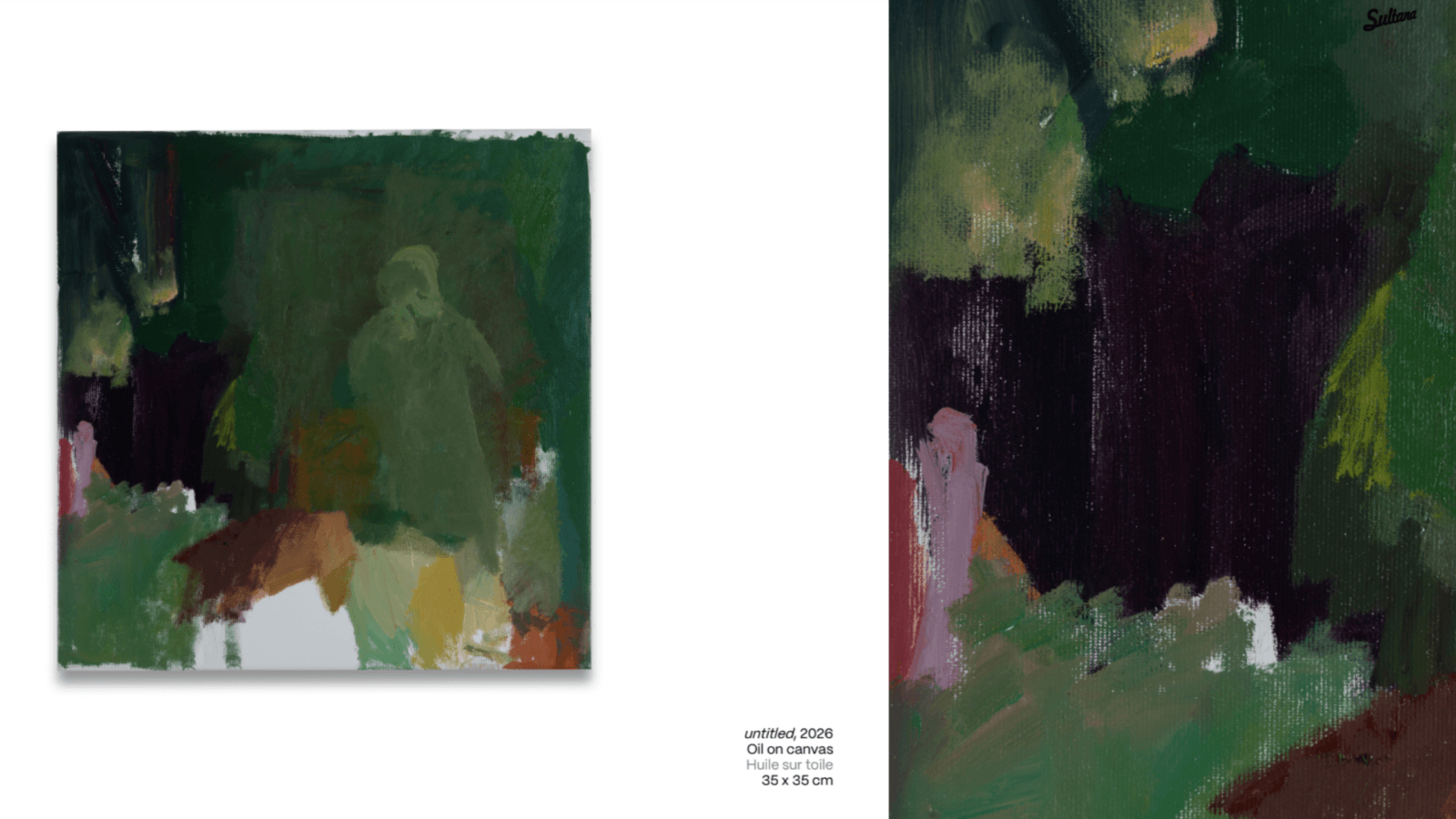
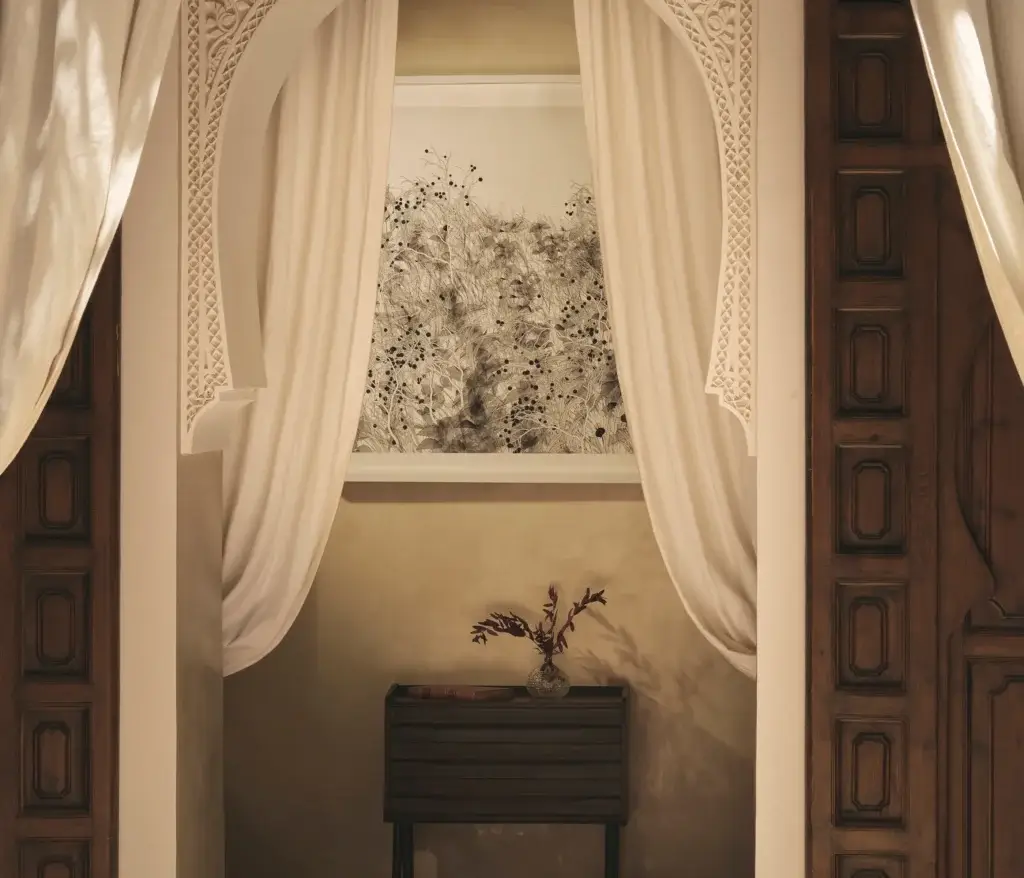
IZZA’s collection of more than 300 contemporary and digital artworks is central to its identity. Displayed throughout the property, the works introduce guests to different artistic perspectives while positioning the hotel within Marrakech’s broader creative landscape. The collection includes artists working across photography, digital media and contemporary visual practices, reflecting a programme intended to evolve rather than remain fixed.
According to Benazzouz, acquisitions are guided by artistic conviction, cultural dialogue and a long-term vision. “We look for artists and practices that bring a distinctive perspective, whether through their relationship with Morocco, contemporary society, memory or new forms of expression,” she explains. “Each acquisition should contribute to a larger conversation while retaining its own artistic integrity.”
“An art collection can become one of the strongest assets of a hospitality brand, not only culturally but also strategically,” Benazzouz says. “It creates differentiation, gives the property intellectual depth and attracts an audience that may not necessarily be looking for accommodation alone.”
She also connects the collection to guest relationships, suggesting that art can encourage return visits and create a lasting emotional association with the hotel. Although such benefits cannot be translated directly into a financial valuation without operational data, they reveal how cultural programming can influence brand positioning alongside the independent value of the artworks themselves.
The creative freedom behind IZZA’s identity
The spirit of American designer Bill Willis, whose interiors helped define a particular period of Marrakech’s international creative history, remains an important influence at IZZA. His work brought together Moroccan craftsmanship, unconventional materials and cultural references in a highly individual visual language. Yet Benazzouz rejects the idea that preserving such a legacy requires reproducing its original aesthetic. “We are interested not in reproducing his aesthetic, but in embracing his philosophy of creative freedom and fearless expression,” she explains.
This distinction informs IZZA’s wider design philosophy. Rather than reconstructing a nostalgic version of Marrakech, the property combines historical references with contemporary artistic perspectives and the work of Moroccan craftspeople. For Benazzouz, authenticity is closely connected to this independence of vision. “For today’s international traveller, authenticity is increasingly about discovering a genuine point of view rather than consuming a reconstructed version of the past.”
Her perspective also raises an important question for luxury hospitality: what makes a property distinctive when affluent travellers already have access to exceptional accommodation around the world? She argues that individuality carries greater significance than the scale of a hotel’s facilities. “People may travel for luxury, but they return for a feeling, a connection and a story they cannot find anywhere else.”
The economics of cultural distinction
Beyond its architectural and artistic identity, IZZA offers an example of how cultural differentiation can influence the commercial positioning of a boutique hotel. Benazzouz identifies operational discipline, direct guest relationships and a distinctive brand as essential factors in long-term resilience.
“A strong identity creates lasting value and pricing power,” she observes. However, preserving that identity requires continuous development without compromising the qualities that initially made a property appealing. The objective is to maintain a coherent experience across architecture, service, cultural programming and communication.
Benazzouz also sees opportunities for Marrakech to strengthen its position in the international luxury market through culturally driven hospitality. She believes hotels can increasingly serve as platforms for creativity, design and meaningful exchange, provided development does not undermine the city’s distinctive character.
Looking ahead twenty years, her ambition is for IZZA to be recognised as a living cultural platform that has supported artists, encouraged dialogue and connected local and international creative communities. “I hope its collection, artistic programmes and commitment to craftsmanship will continue to evolve and create a legacy of their own,” she says.
For IZZA, the long-term proposition is therefore broader than an individual hotel experience. It lies in creating a cultural identity strong enough to remain relevant as luxury preferences evolve, while ensuring that the business can sustain the architecture, art and creative community on which that identity depends.