

Inside 229LAB, Where Art and Fashion Meet on Rue Saint-Honoré
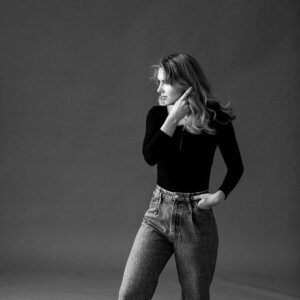
Founded by Marie Polo and Edouard Burgeat in 2023, 229LAB is an independent creative space in one of Paris’s most recognisable luxury districts. Burgeat speaks to GEMVEST about working across art and fashion, building relationships with artists and encouraging collectors to trust their own judgement.
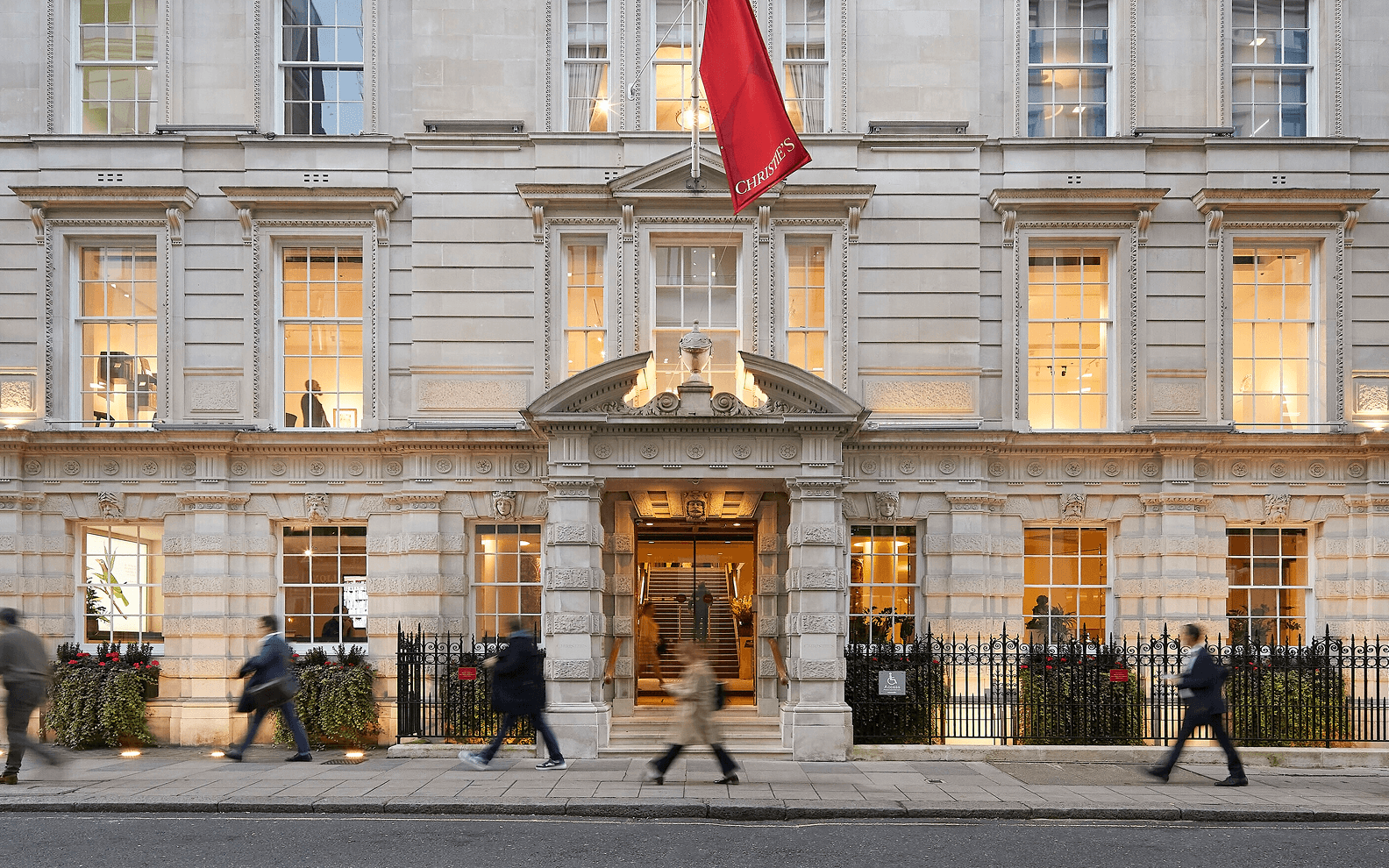
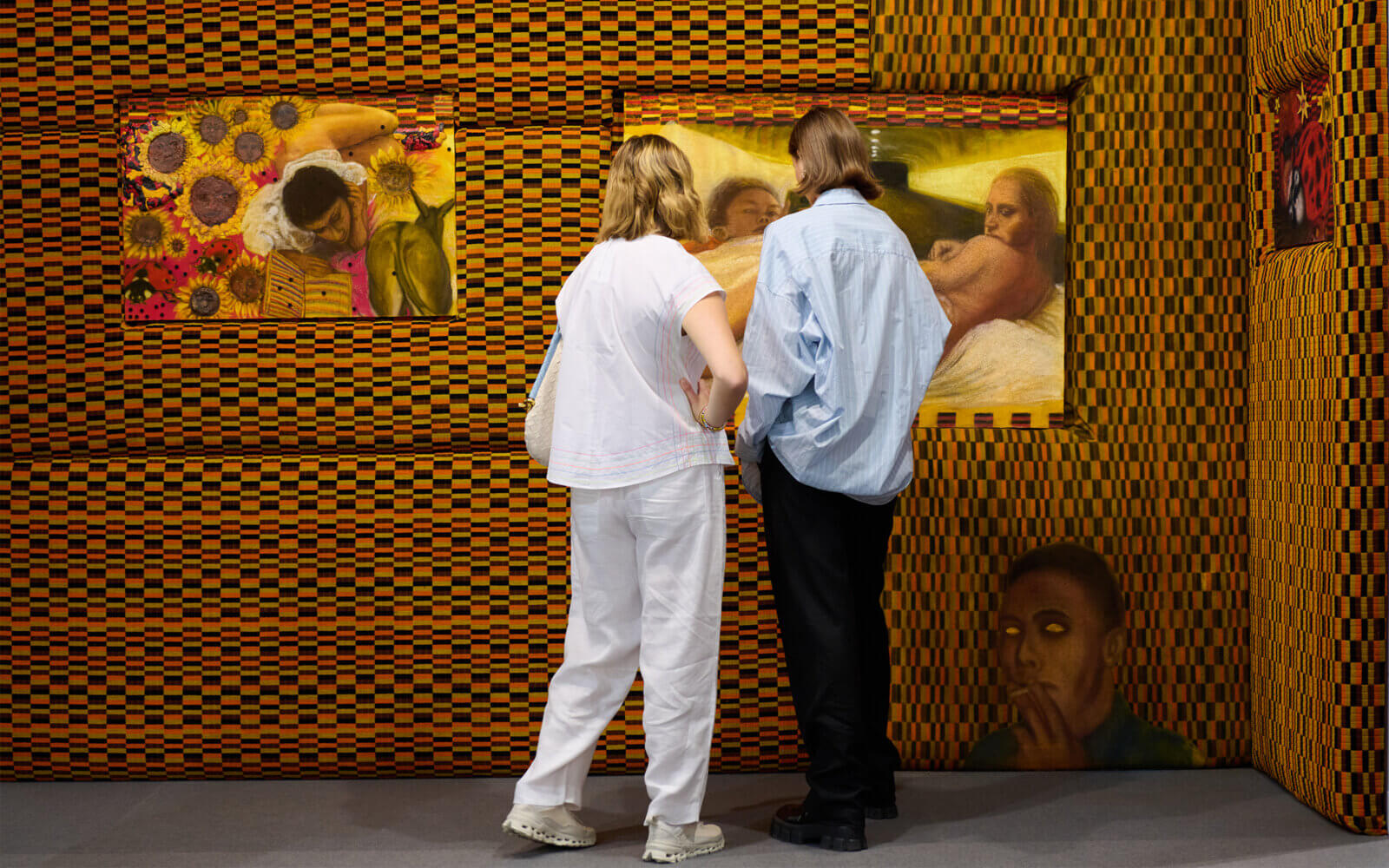
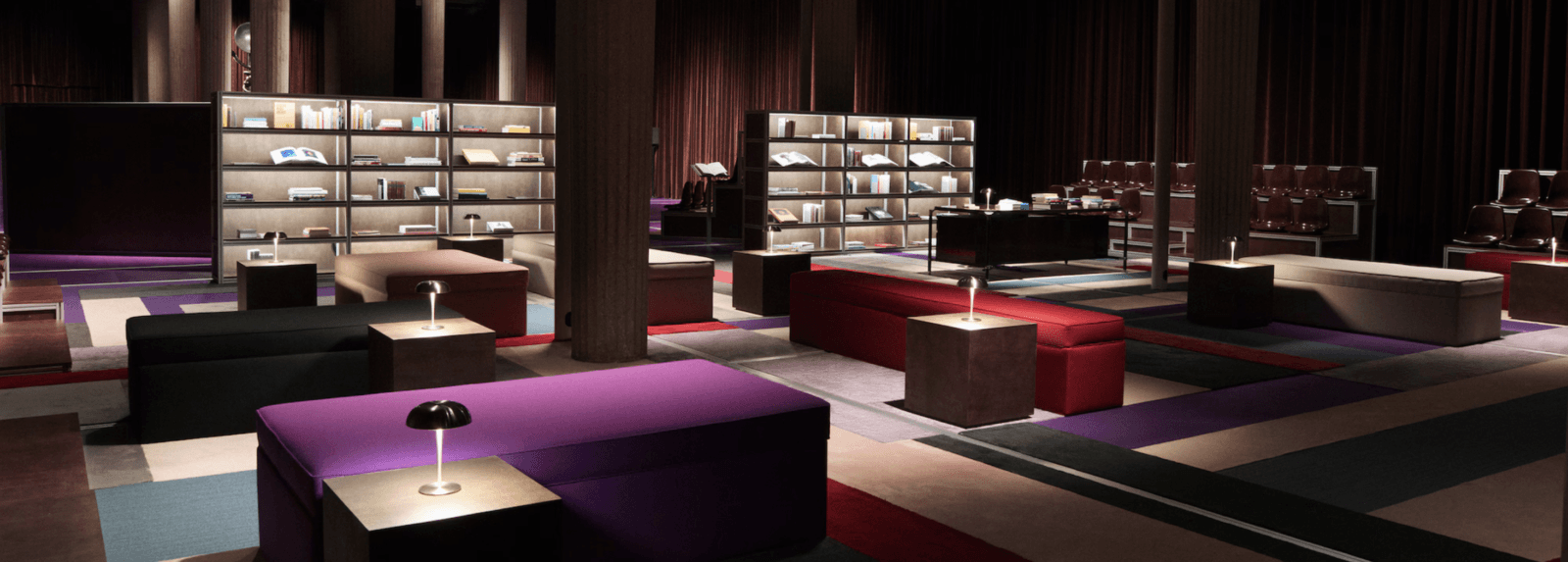
Paris’s Rue Saint-Honoré is best known for its fashion houses, luxury boutiques and historic architecture. At number 229, however, contemporary art shares the stage with fashion, design and experimental projects. Founded in 2023 by artist Edouard Burgeat and Marie Polo, 229LAB occupies a Haussmannian building that hosts exhibitions, creative collaborations and events. The founders wanted to establish a place where artists and designers could work together without having to adapt their ideas to the conventions of a commercial gallery.
“Marie and I wanted to create a space where contemporary art, fashion and design could meet on equal terms,” Burgeat tells GEMVEST. “We felt there was room in Paris for a flexible, independent space that could bring different creative worlds together without reducing art to a backdrop.”
The concept grew partly from Burgeat’s interest in how a physical setting influences the experience of art. At 229LAB, an exhibition might be accompanied by a fashion presentation, a dinner or an installation that changes how visitors move through the rooms. The programme is not restricted to a particular medium or generation of artists, although Burgeat is selective about what belongs there. A project needs a clear artistic intention and a reason to be presented in that particular space. Some involve emerging artists, others bring established practitioners into unfamiliar territory. What interests him is the possibility of presenting work in a setting that encourages visitors to spend time with it and discover something they might otherwise have missed.
Art, Fashion and the Importance of Creative Relationships
Fashion and contemporary art have a long history of borrowing ideas from one another. For Burgeat, however, the most productive collaborations are those in which neither discipline is expected to serve the other. He sees fashion as particularly attentive to materials, craftsmanship and presentation, while contemporary art often approaches similar subjects through questioning and interpretation. “The most interesting collaborations happen when both sides bring their own perspective to the table, rather than using art as decoration or fashion simply as a subject,” he explains. At 229LAB, the aim is to give artists and designers enough freedom to develop something neither might have produced independently.
The address is particularly well suited to this kind of encounter. Rue Saint-Honoré attracts an international audience familiar with luxury and fashion, while the building offers the character of a historic Parisian interior. Burgeat enjoys the relationship between these two settings but is careful not to let the neighbourhood determine the programme. “The location gives each project a context, but it doesn’t dictate what the work has to be,” he says. An artist’s work might respond directly to the architecture, while another project could transform the rooms so thoroughly that visitors experience the building differently.
Much of the programme develops through personal relationships. Burgeat describes conversations with artists, designers and curators as an important starting point, often leading to collaborations that were not originally planned. Trust matters, particularly when participants are working outside their usual disciplines or experimenting with unfamiliar formats. The people who return to the space, whether as collaborators or visitors, also contribute to its character. Yet Burgeat does not believe that bringing creative people together is enough on its own. Each project still needs a purpose, and the gallery must retain a clear editorial and artistic direction. As he explains, relationships can be as lasting as the exhibitions themselves, but the programme must offer people something substantial to engage with.
What Makes Art Worth Collecting?
The question of how people encounter art becomes particularly interesting when the conversation turns to collecting. For many visitors, an unfamiliar artist can be difficult to approach, especially without the reassurance of an established reputation or institutional recognition. Burgeat prefers to begin with the work rather than its position in the market. He encourages viewers to notice their own reactions, including uncertainty, and to allow those impressions to develop before reaching a conclusion. “Notice what holds your attention, what feels unresolved, and what questions the work raises,” he says. “Sometimes the connection comes slowly, through spending time with it.”
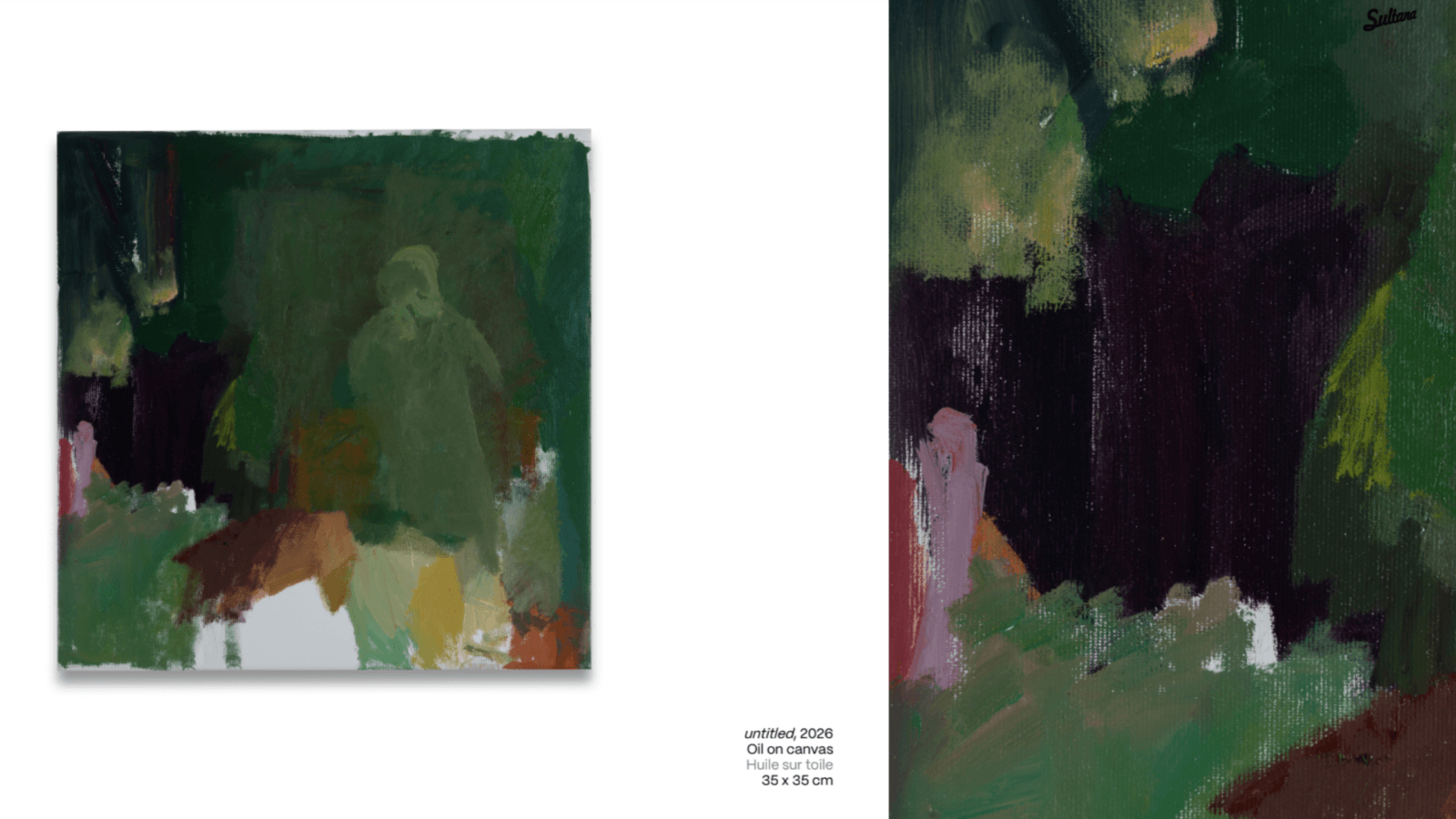
This patience is also central to his understanding of artistic value. Emotional attachment, cultural significance and financial worth may influence one another, but Burgeat believes they should not be treated as interchangeable. “A work can have a profound emotional or cultural significance without its market value reflecting that, and a market price can change over time,” he explains. His interest lies in the materials, ideas and decisions behind a work, rather than the assumption that a high price or immediate visual appeal makes it important.
For collectors, this raises a question that extends beyond any single purchase: how much of a collection should be guided by personal conviction? Burgeat does not offer a formula for choosing art, nor does he suggest that market information is irrelevant. His emphasis is on developing the confidence to look carefully, ask questions and recognise what genuinely holds one’s interest. At 229LAB, giving visitors access to the context surrounding an artist’s work is part of that process. The intention is not to tell people what they should admire, but to help them make their own discoveries.
Paris and the Next Chapter for 229LAB
Paris offers an unusually broad network of museums, galleries, artists, collectors and creative businesses. Burgeat sees the city’s artistic history as an important part of its appeal, but he is equally interested in the international community working there today. Through its exhibitions and collaborations, 229LAB participates in that community while remaining closely connected to its address on Rue Saint-Honoré. The founders want to welcome different perspectives without adopting a programme designed simply to follow what is happening elsewhere in the art world.
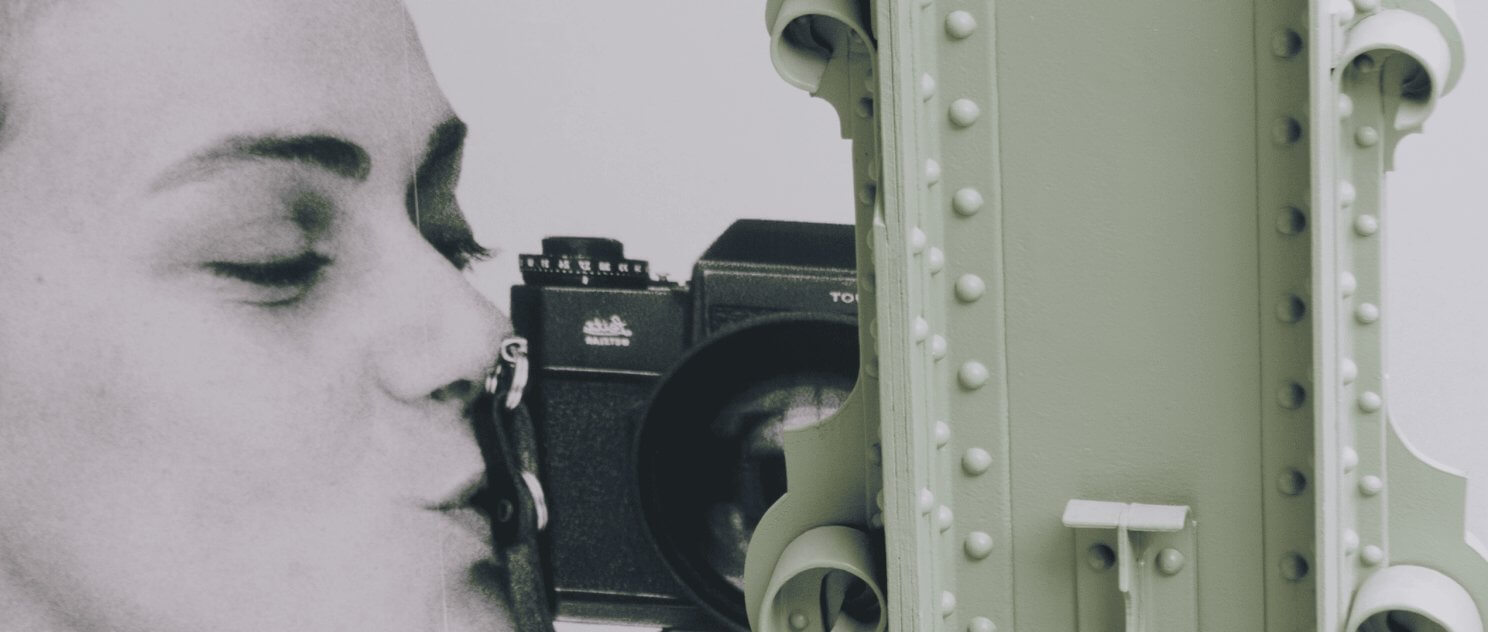
Looking ahead, Burgeat hopes to work on projects that encourage greater participation and bring artists, designers and audiences into longer conversations. He is particularly interested in installations and collaborations that change how people experience the space. His own practice also continues alongside his work at 229LAB. From 12 to 15 November 2026, he will present work at a ppr oc he, the photography-focused salon held at Le Molière during Paris Photo week. Although the presentation is separate from 229LAB’s exhibition programme, it offers another opportunity to encounter his work as an artist.
Three years after its founding, 229LAB remains deliberately open to different forms of collaboration. The founders have established a space with a recognisable setting and a clear interest in the relationship between art, fashion and design, without committing themselves to a single exhibition format. For Burgeat, the projects still to come are as dependent on the people he meets as they are on any long-term plan. “The next step is to stay open to projects that can’t be fully defined in advance.”