Paris Photo 2026: What’s Shaping the World of Photography Now
As photography marks its bicentenary, Paris Photo brings historical prints, emerging artists and digital experimentation to the Grand Palais. Its 2026 edition offers collectors a chance to examine how the medium is changing, from the objects they acquire to the artists they follow.
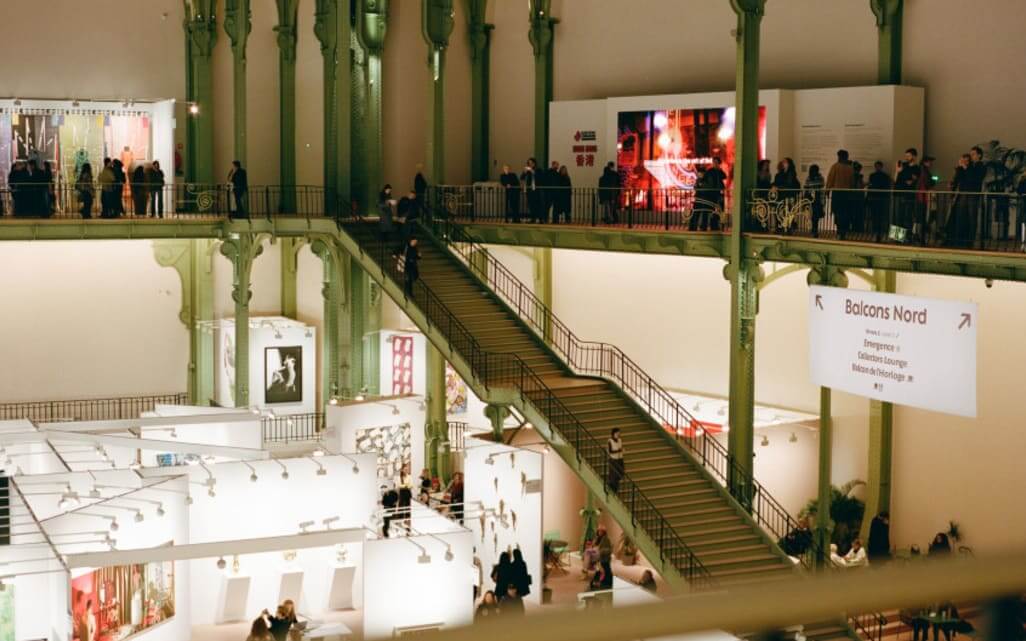
When Paris Photo opens at the Grand Palais on 12 November, the fair will be celebrating more than its 29th edition. The event coincides with the bicentenary of photography, bringing two centuries of photographic history into conversation with a medium transformed by digital technology and artificial intelligence. For galleries and collectors, questions of originality, authorship and the value of a photographic print have become increasingly difficult to separate from the way images are made and distributed.
Running until 15 November, the fair brings together international galleries, publishers and artists across five sectors. Historical photographs will appear alongside contemporary work, experimental practices and digital projects, offering visitors a chance to explore how different generations have approached the same medium. The programme also reflects a collecting market in which established names remain influential, while younger artists challenge familiar ideas about what a photograph can be.
Two Centuries of Photography, One Changing Market
Among the presentations, Pace Gallery is bringing gelatin silver prints by Harry Callahan, Robert Frank, André Kertész and Irving Penn, alongside contemporary work by Adam Pendleton. The combination illustrates the range of photographic practices now represented in major galleries, from carefully produced analogue prints to work that approaches photography through a broader visual language.
The Centre Pompidou is also contributing to the bicentenary with Revealing: Photography Collection of the Centre Pompidou, presenting around 100 works by nearly 30 artists. Organised around image-making and identity, the exhibition provides an institutional perspective within the commercial setting of the fair.
For collectors, photography requires an understanding of the object as well as the image. Edition size, printing date, condition and provenance can influence the significance and market value of a work. A vintage print may have a different history and level of scarcity from a later print produced using the same negative. Contemporary photographic practices introduce further questions, particularly when artists work with digital files, constructed images or forms of reproduction that do not fit traditional definitions of an original print.
The Artists Expanding Photography’s Boundaries
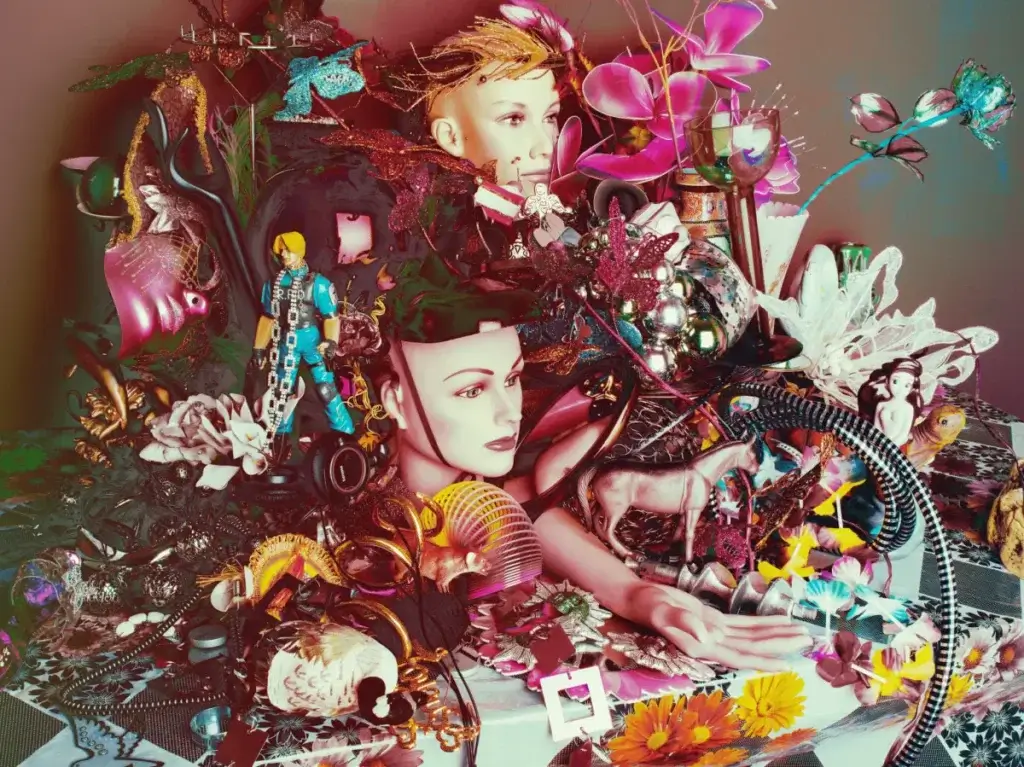
Paris Photo’s 2026 programme gives particular attention to artists working beyond conventional photographic formats. The Voices sector, curated by Zasha Colah and Francesco Zanot, explores disappearance through questions of memory, absence and representation. In the Digital sector, Marco De Mutiis examines the influence of technology on image-making and circulation. Together, the presentations reflect the growing distance between photography and the idea that every image must begin with a camera.
The emergence of generative technology has made these questions especially relevant. For artists, digital tools offer new possibilities for creating and manipulating images. For collectors, they require closer attention to authorship, production and the form in which a work is acquired. Understanding an artist’s methods is becoming as important as recognising the final image.
The fair also continues its support for younger artists through the Emergence sector. Meanwhile, Elles × Paris Photo, curated this year by Aldeide Delgado under the title An Oceanic Beginning, brings attention to women photographers and histories that have not always received equal institutional recognition. These programmes give collectors opportunities to encounter work outside the familiar names of the photography market.
Why Photobooks Still Matter
Photography books remain an important part of Paris Photo, with dedicated publisher presentations, talks and the Paris Photo–Aperture PhotoBook Awards. Unlike a single framed image, a photobook allows an artist to control the sequence, rhythm and relationship between photographs. In some cases, the book is the primary form of the work rather than a record of an exhibition.
For collectors, publications offer another way to discover artists and understand how a photographic practice develops. Artist books, limited editions and historical publications also have their own collecting traditions, shaped by rarity, condition and provenance.
Paris Photo 2026 arrives at a time when photographs are easier to produce and distribute than ever, but understanding their artistic significance still demands careful attention. Across historical prints, emerging practices and digital work, the fair offers visitors a chance to look beyond individual images and consider the decisions that give them meaning. Two centuries after photography’s beginnings, its possibilities remain remarkably open.